Skip to content

US military

Why We Must Stand With Major Jason Watson

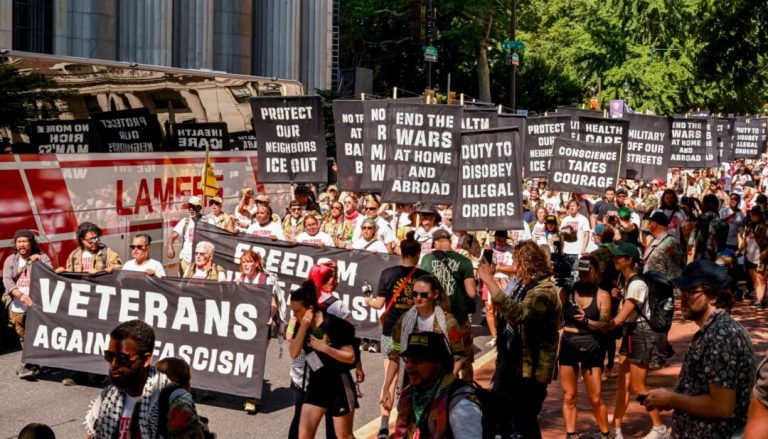
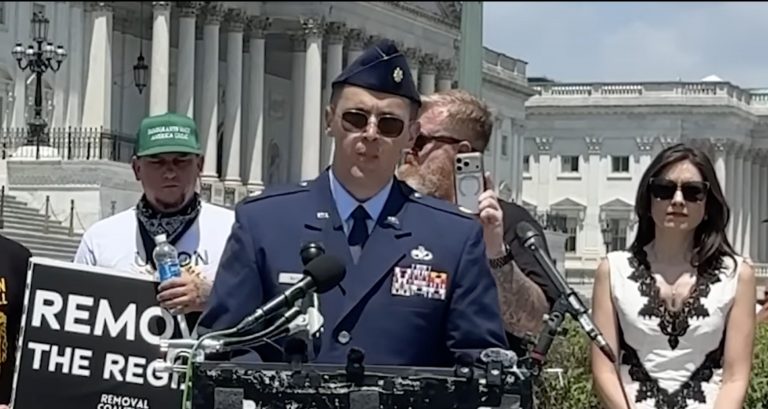
For almost two months, an Air Force officer has been sitting alone in a cell, twenty-four hours a day. When they let him out to eat or exercise, he’s still alone, according to his attorney. His name is Major Jason Watson. He hasn’t been convicted of anything. Under military law he is presumed innocent, yet he’s still in that cell. I know something about solitary confinement. I also know what it feels like when a government would rather silence you than answer for its transgressions. That’s why I can’t stay quiet about Major Watson. And it’s why I think we need to talk about the kind of courage this country says it admires, right up until someone actually shows it.

US Military Prepares For ‘Doomsday’ War On US Soil

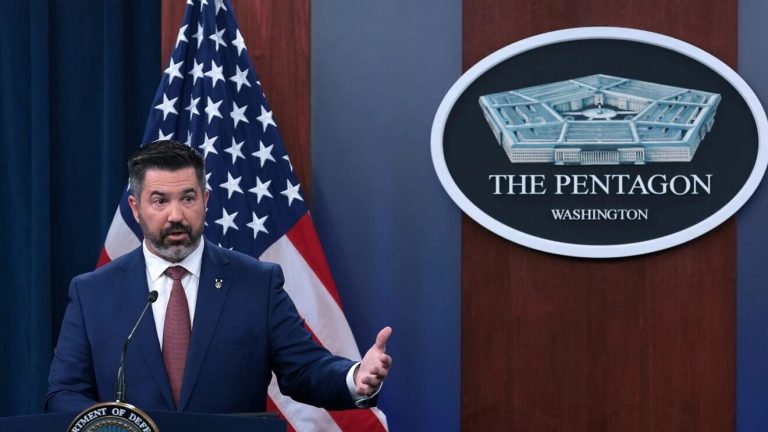
The Pentagon is preparing for a possible “doomsday” war on US soil with a plan to keep military bases operating without support from power grids, supply chains, and other civilian infrastructure. The plan, known as FORTRESS America, calls for measures to allow the US military to continue fighting for at least 90 days in the event a war reaches US territory and civilian infrastructure collapses, according to documents reviewed by Fox News. “We don't want to rely on standard civilian municipal infrastructure to run our national defense. We just simply can't. It's an intolerable risk,” Pentagon chief spokesperson Sean Parnell stated.

Don’t Pretend ‘War on Drugs’ Has Anything To Do With Fighting Drugs

Addressing the UN General Assembly in September, Donald Trump gloated about his strategy toward “narcoterrorist” cartels, the menace du jour in the United States’ self-declared backyard. Pulling numbers out of his ass per usual, Trump claimed that the manic bombing campaign against alleged seafaring narcoterrorists (read: fishermen) in Central and South America has cut maritime drug trafficking by 97%, and called drug cartels the “ISIS of the Western Hemisphere.” While it was by no means the president’s intention, he accidentally hit the nail on the head with the ISIS comparison.

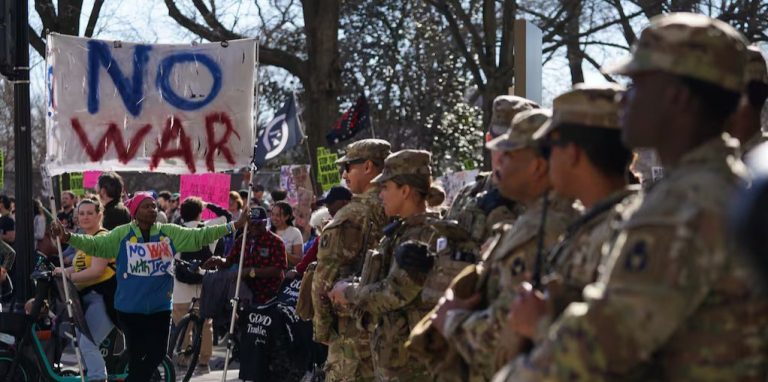
Nearly Half Of All US Active-Duty Troops Oppose War On Iran

Nearly half of all US active-duty service members oppose the military’s role in the US-Israeli war on Iran, according to a poll conducted by Change Research for veteran-led advocacy group Common Defense between 15 and 28 September. The poll surveyed over 730 active-duty US soldiers, immediate family members, and veterans and found that 49 percent of all respondents opposed the war, against 44 percent who backed it. Military families rejected the war by a 38-point margin and active-duty troops by 16 points, while military veterans were the only group to support it, with 53 percent for to 44 percent against.

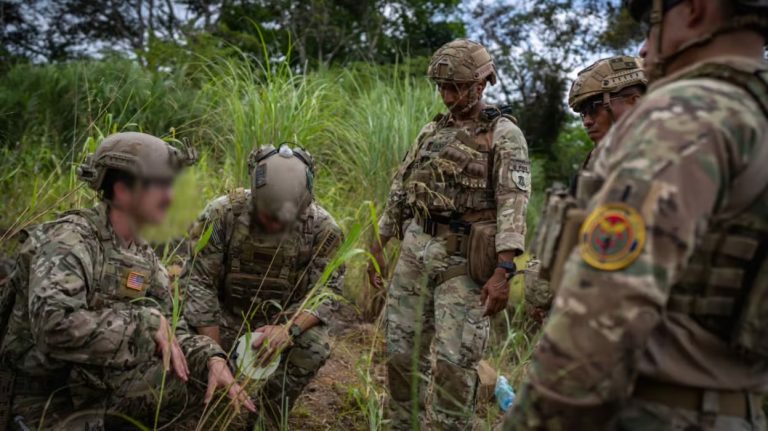
Hundreds Of US Soldiers Being Deployed To Latin America

The New York Times reported on Wednesday that the US government is preparing to send troops to Latin America under the pretext of combating drug trafficking in the region. According to the US publication, 600 troops from the 10th Mountain Division at Fort Drum, NY, have already begun deploying to the jungles of Panama to conduct exercises alongside the local military. In addition, it was reported that members of this detachment will participate in operations in other countries in the future: “The troops will eventually train with local forces in Colombia and Honduras, and could also support US Special Operations troops advising militaries conducting raids against accused drug traffickers, the officials said.”

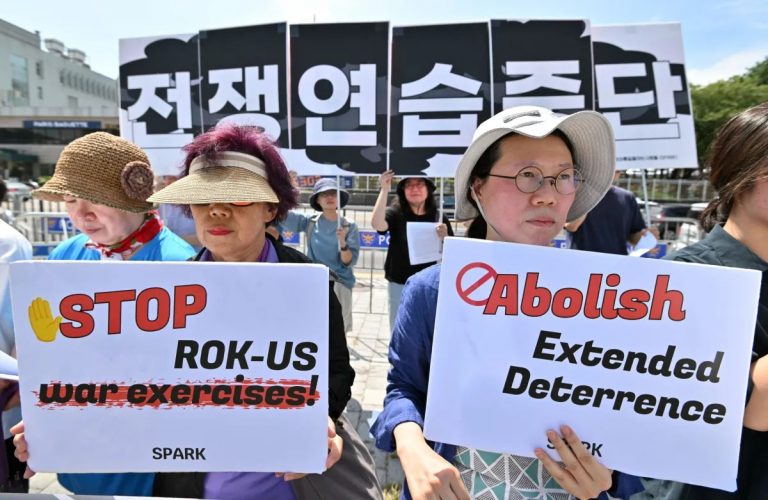
It’s Been 70 Years: Why Does The US Still Control South Korea’s military?

Over seventy years ago, the US took control of South Korea's military.  To this day, it still controls it.   Why? This confounds every notion of state sovereignty: a supposedly sovereign country--South Korea--has its own military subjugated under US control. Opcon (operational control) of one nation's army by another country is usually temporary, usually during wartime among allies.   In Korea, it has lasted over 76 years.   South Korea has asked for opcon back, repeatedly.  It has been three decades since South Korea first made the demand.

Ecuadorian Fishermen Kidnapped By US Military Have Been Acquitted

An Ecuadorian judge ordered the immediate release of nearly 30 fishermen whose two boats were destroyed by the US military in the Pacific Ocean. The Ecuadorian prosecutor’s office had charged them with alleged illegal activities. The sequence of events is telling. In two separate instances between late August and early September, the fishing boats Conquista II and María Candelaria were boarded by US military forces while on the high seas. The US forces, after transferring the fishermen to other vessels, destroyed and sank their boats.

US Military Withdraws From Iraq After Two Decades

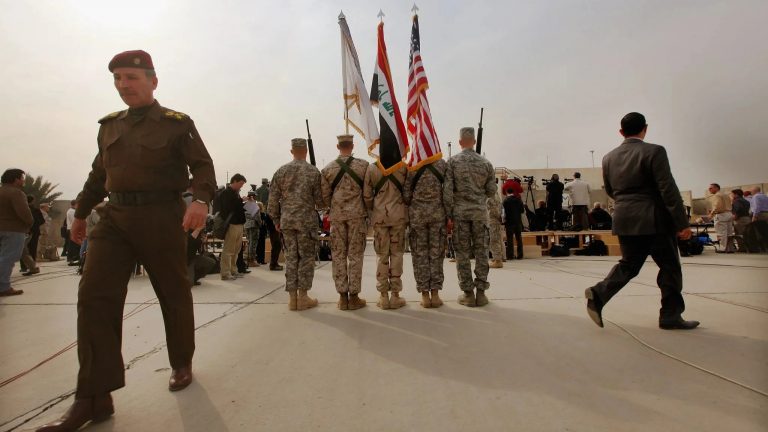
The US military has completely withdrawn from Iraq, DPA reported on 27 September, citing an Iraqi government official. All US combat troops and logistical support forces have left the country, the official told the German news agency on Sunday.   The US military has not confirmed the report. Iraq and the US agreed to withdraw the remaining 2,500 US military personnel in 2024. Before the withdrawal, US forces had reduced their presence in Iraq, which first began with the illegal invasion of the country ordered by former president George Bush in 2003.

The Strategic Decline Of The US Armed Forces (Parts I And II)

In October of last year, I wrote an article in which I highlighted the internal problems plaguing the U.S. Armed Forces. At that time, I emphasized those doctrinal elements where disagreements were evident among the Pentagon’s political and military leaders — particularly regarding the new defense strategy drafted by the Trump administration. In that article, I noted that the viewpoint of Secretary of War Pete Hegseth — who has asserted that the focus of U.S. military concerns should be on confronting and defeating internal threats — is met with resistance from the Armed Forces’ high command, as a significant number of generals and admirals believed the secretary was downplaying U.S. competition with China and diminishing the country’s role in Europe and other regions of the world.

Busting The Myths Of The US Military’s Presence In Hawai‘i

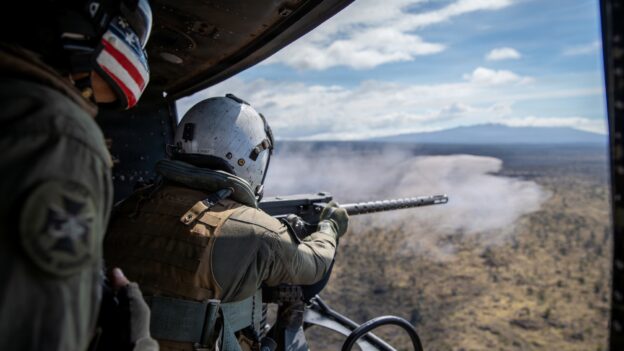
In the middle of the Pacific Ocean, the U.S. military’s future in Hawai‘i has become a topic of growing debate given the upcoming expiration of leases for around 46,000 acres of military base land. The armed forces leased the lands from the state of Hawai‘i in the 1960s for 65 years at a token fee of $1. The leases start expiring in 2028. Some unsurprisingly want to see these territories returned. The U.S. military played a key role in seizing indigenous lands after overthrowing the Hawaiian monarchy in the 19th century. The military still occupies around 25 percent of the most populated island, O‘ahu, and a larger proportion of the state of Hawai‘i – 5.6 percent – compared to any other state.

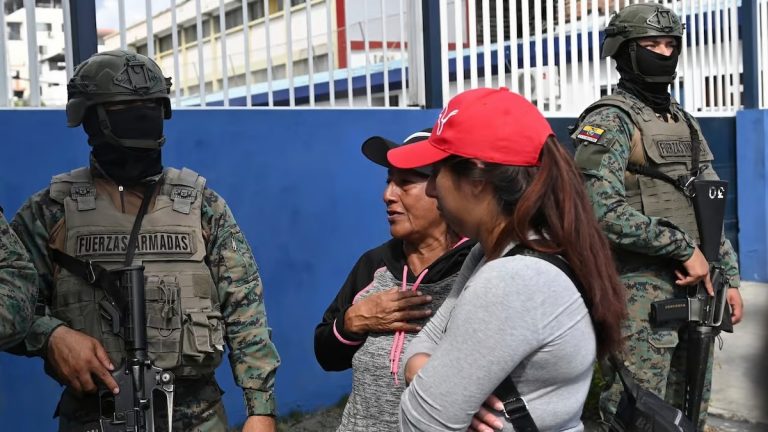
US Soldiers And Contractors Begin Ground Operations In Ecuador

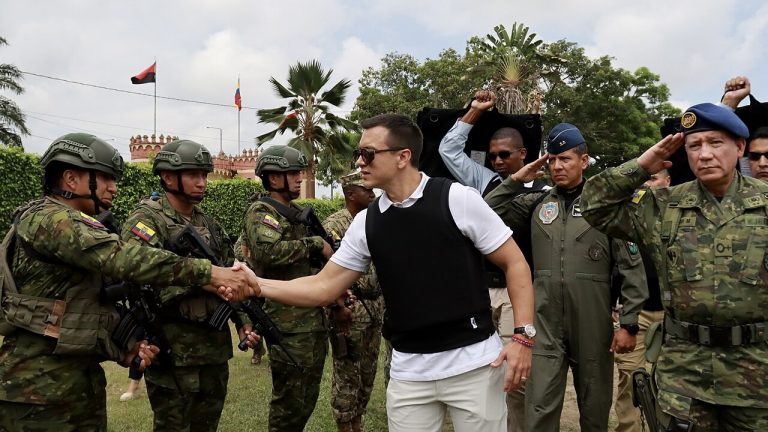
The government of Daniel Noboa, through a ministerial agreement, has allowed US soldiers and contractors to enter Ecuador without a visa, even if they are not working on security operations. For several years now, Ecuador has been experiencing its worst security crisis in history due to a territorial dispute between drug trafficking gangs over control of drug trafficking routes and illegal mining operations. It is estimated that the largest amount of cocaine in the world passes through Ecuador, primarily bound for the United States and Europe.

Taxpayers Funded A $533 Million Artillery Plant That Made Nothing

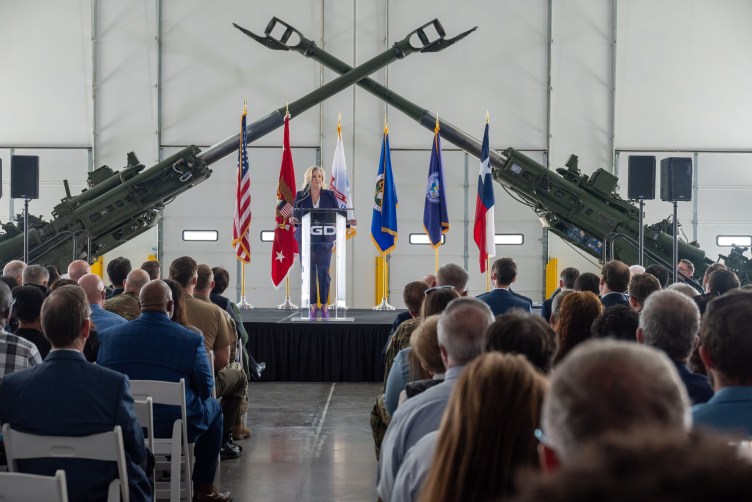
A robot was on fire. Again. It was the summer of 2024, and the cutting-edge robots inside General Dynamics’ sweltering artillery factory near Dallas were catching fire with startling regularity, according to four former workers there. This wasn’t ideal, as the plant was supposed to be churning out urgently needed artillery shells for Ukraine. The robots, giant metal arms with clamps for hands, would end up drenched in oil, which would then — no surprise — combust as they moved steel blocks heated to 1,800 degrees into and out of a machine that periodically erupted columns of fire.

Hegseth Announces Expansion Of US Military Sphere Of Operations

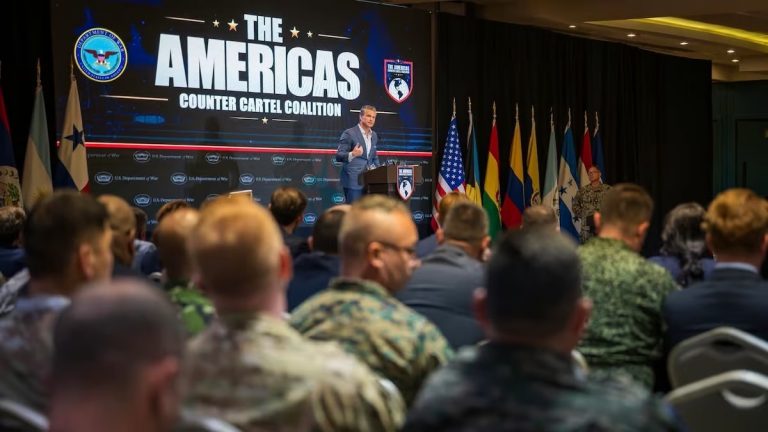
On August 12, US Secretary of War Pete Hegseth visited Panama, where he attended the Coalition of the Americas Against Cartels (A3C). There, he met with ministers, deputy ministers, security and defense chiefs, and several high-ranking military officers from the Shield of the Americas, the new Washington-led regional coalition focused on “combating narcotrafficking”. In addition to the United States, member countries include Argentina, Bolivia, Costa Rica, Ecuador, El Salvador, Guyana, Honduras, Panama, Paraguay, Chile, Guatemala, Peru, and the Dominican Republic (and, more recently, Colombia, following the change in government), all of which have declared their political and economic alignment with Washington.

US Military Morale In The Middle East In The Overflowing Toilet

Rotten food, overflowing toilets into bunking areas, no room in the incoming missile shelters, confiscated cellphones that are the notification devices for incoming missiles, infrequent mail, social media closed down, were some of the issues that military families identified at the national conference of Veterans For Peace. Spouses and parents of Air Force, Army, Marine and Navy told of plummeting morale, lack of basic supplies and attacks on U.S. military bases that are not reported in the U.S. media. The frustration of the military families at the VFP conference echoed the descriptions of life on U.S. military bases in the Middle East.

Paper Tiger: The Failure Of America’s Trillion Dollar War Machine

According to the Stockholm International Peace Research Institute (SIPRI), the United States spent $21 trillion on its military between 2001 and 2024 (in constant 2024 dollars), equal to the combined military spending of the next eighteen countries. Iran barely made that list at all, spending only 2% of what the US did, and SIPRI estimated Iran’s 2025 military budget at only $7.5 billion. So how is Iran holding its own against the multi-trillion-dollar US war machine? A critical difference between the US war on Iran and previous US and allied bombing campaigns against Yugoslavia, Afghanistan, Iraq, Libya and now Gaza, is that the US and Israel have failed to destroy Iran’s air defense system and cannot fly warplanes over Iran without risking the loss of planes and pilots to enemy fire. Iran has wisely built its critical defense infrastructure underground, with arms factories, weapons stockpiles and launch sites sheltered safely beneath its impenetrable mountainous terrain.
assetto corsa mods

Urgent End Of Year Fundraising Campaign

Online donations are back! Keep independent media alive. 

Due to the attacks on our fiscal sponsor, we were unable to raise funds online for nearly two years.  As the bills pile up, your help is needed now to cover the monthly costs of operating Popular Resistance.

Urgent End Of Year Fundraising Campaign

Online donations are back! 

Keep independent media alive. 

Due to the attacks on our fiscal sponsor, we were unable to raise funds online for nearly two years.  As the bills pile up, your help is needed now to cover the monthly costs of operating Popular Resistance.

Sign Up To Our Daily Digest

Independent media outlets are being suppressed and dropped by corporations like Google, Facebook and Twitter. Sign up for our daily email digest before it’s too late so you don’t miss the latest movement news.