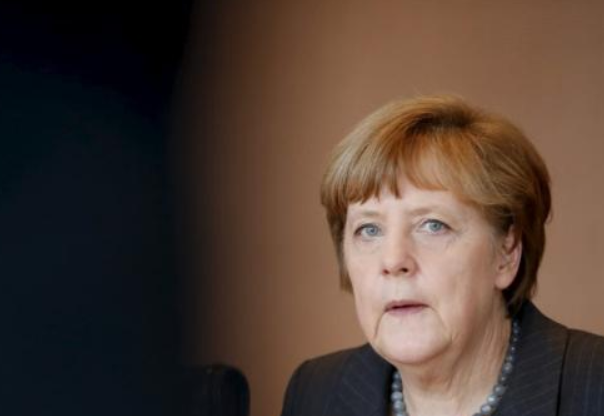
(Reuters) – German Chancellor Angela Merkel’s cabinet signed off on a draft law on Wednesday that imposes an effective ban on the controversial technique of fracking for shale gas.
Fracking, or hydraulic fracturing, involves blasting chemicals and water into rock formations to release trapped gas. Opposition is strong in densely populated Germany due to concerns about the risk of contaminating drinking water.
Environment Minister Barbara Hendricks said the new law would set Germany’s strictest conditions for fracking.
“Protecting health and drinking water are top priorities. For this reason, we want to restrict fracking as far as possible,” Hendricks told a news conference.
The new law, which now goes to parliament for approval, will impose an outright ban on fracking for shale gas in the next few years and only allow scientific test drilling under strict conditions to assess the risks and environmental impact.
The law could allow commercial shale gas fracking in exceptional cases from 2019 but only after successful test drilling and the approval of a special committee.
Germany’s gas industry has warned restricting fracking could increase the country’s dependence on imported energy at a time when geopolitical concerns, particularly over Ukraine, are growing.
The BDI industry lobby group described the new conditions as “completely over the top”.
Last year, gas imports from Russia accounted for 37 percent of Germany’s supply. Only 12 percent of Germany’s needs were covered by its own reserves, down from almost a fifth a decade earlier.
The legislation will allow fracking for deep-lying or “tight” gas, a technology that has been used for decades in Germany. But even this type of fracking will be subject to stricter rules and environmental audits, Hendricks said.
The ban will be extended to all areas that supply drinking water, including dams and reservoirs, while fracking up to a depth of 3,000 meters (3,300 yards) will also be prohibited.
Opposition to fracking remains strong in Germany and 79 percent of those surveyed for a Forsa poll in 2013 were in favor of strict environmental regulations.
Europe had hoped to emulate a shale gas boom in the United States which has helped to lower energy costs and boost industry. But strong popular opposition, a recent slide in oil prices and question marks over Europe’s reserves have raised doubts over the prospects for fracking.
Chevron Corp has decided to stop exploring for shale gas in Poland because reserves did not lived up to initial expectations.
France and Bulgaria have banned fracking. It is allowed in Britain but is subject to strict environmental and safety guidelines and the Scottish government has imposed a moratorium on granting permits for all unconventional oil and gas development.