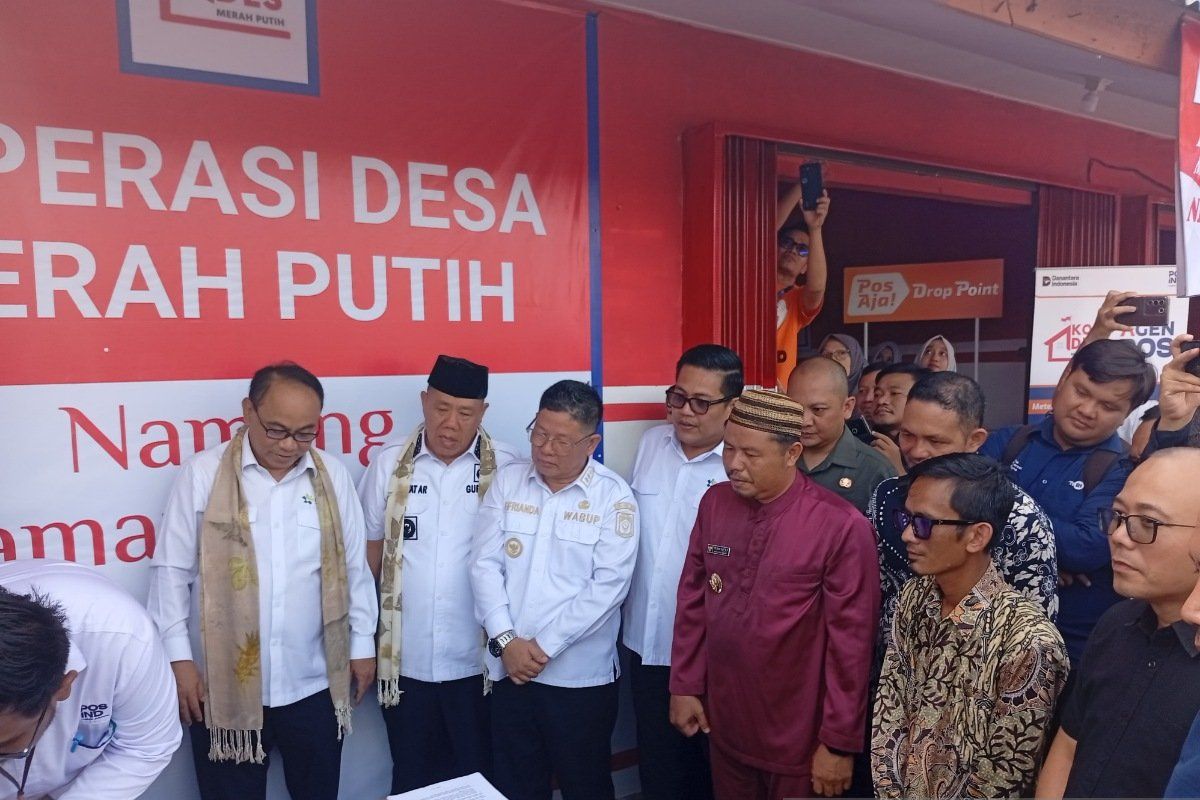
Launch and Rural Development.
More Than Just A Cute Name – A Deep Dive Into Rural Economic Reboot.
Jakarta, Indonesia – Forget the pastel farmhouses of your grandma’s Pinterest board. Indonesia’s ambitious “Red and White Village Cooperatives” (KDMP) program – named after the nation’s flag – is a surprisingly complex and potentially game-changing initiative aimed at revitalizing rural economies. Officially launching next week with a nationwide rollout, the program’s initial success hinges on a handful of pilot villages, most notably Namang in Bangka Belitung, and it’s already sparking debate about whether it’s a genuine solution or just another government buzzword.
Let’s be clear: Indonesia’s rural regions have long struggled with limited economic opportunities and dependence on agriculture – often yielding inconsistent profits. The KDMP, spearheaded by the Ministry of Cooperatives and backed by President Prabowo Subianto, seeks to directly address this by empowering villages through locally-run cooperatives, essentially creating miniature, self-sufficient economic hubs.
Namang: A Honeycomb of Hope (and LPG)
The Namang model, as outlined in recent observations from visiting officials, is deceptively layered. Alongside the expected staples – a fertilizer warehouse, a grocery store, and a surprisingly vital pharmacy – the village cooperative has embraced an unexpected combination: an LPG depot and integration with BRI, Indonesia’s state-owned bank. This isn’t your typical agrarian coop. It’s a deliberately diverse setup designed to provide essential goods and services within the village, reducing reliance on external markets and creating immediate employment.
But the really interesting part? The emphasis on leveraging local assets. Beyond the tourist appeal of Pelawan Forest – famed for its honeybees – the program is pushing Namang to fully exploit its natural resources. Honey production, obviously, is key, but officials are exploring possibilities like eco-tourism centered around the forest, potentially creating a cascading effect of income for villagers. “It’s about more than just selling honey,” explained one official during a briefing. “It’s about building a sustainable ecosystem that supports multiple livelihoods.”
Recent Developments and Concerns: Scaling Up isn’t Always Easy
While the launch event next Monday is generating considerable interest, experts aren’t entirely convinced this is a silver bullet. Since the initial announcement, there’s been a quiet push to expand the program beyond the initial 103 villages. However, challenges are emerging around funding and, critically, local capacity. Many rural cooperatives lack the infrastructure, management expertise, and frankly, the belief in their own potential, to truly thrive.
A recent report from the Institute for Economic and Development Studies (IEDS) highlighted a key concern: “The KDMP relies heavily on the enthusiasm of local leaders. Without strong, proactive village heads and genuine community buy-in, the program risks becoming a bureaucratic shell.” The 1,500 member target for Namang – a village of just over 3,000 residents – represents a significant challenge, requiring targeted outreach and demonstration of tangible benefits.
E-Commerce Buzz and The Digital Divide
The integration with BRI and expanded digital financial services is noteworthy. Indonesia’s digital economy is booming, but bridging the “digital divide” in rural areas remains a major hurdle. Questions are rising about whether villagers will have access to the necessary technology and training to effectively utilize these services, particularly in a country where internet penetration in rural areas remains lower than national averages. Could this be a way to pull villagers into a more modern economy, or will it simply exacerbate existing inequalities?
Looking Ahead: A Potential Win, But Requires Careful Cultivation
Despite the potential pitfalls, the KDMP holds significant promise. It’s a bold attempt to move beyond traditional agricultural development models and tackle the root causes of rural poverty. Its success will depend on continued government support, robust training programs, and, crucially, genuine engagement from the communities themselves. The “Red and White” moniker might seem a little patriotic, but if implemented correctly, this initiative could genuinely paint a brighter future for Indonesia’s rural heartland. It’s not just a cute name; it’s a potentially vital economic reboot.