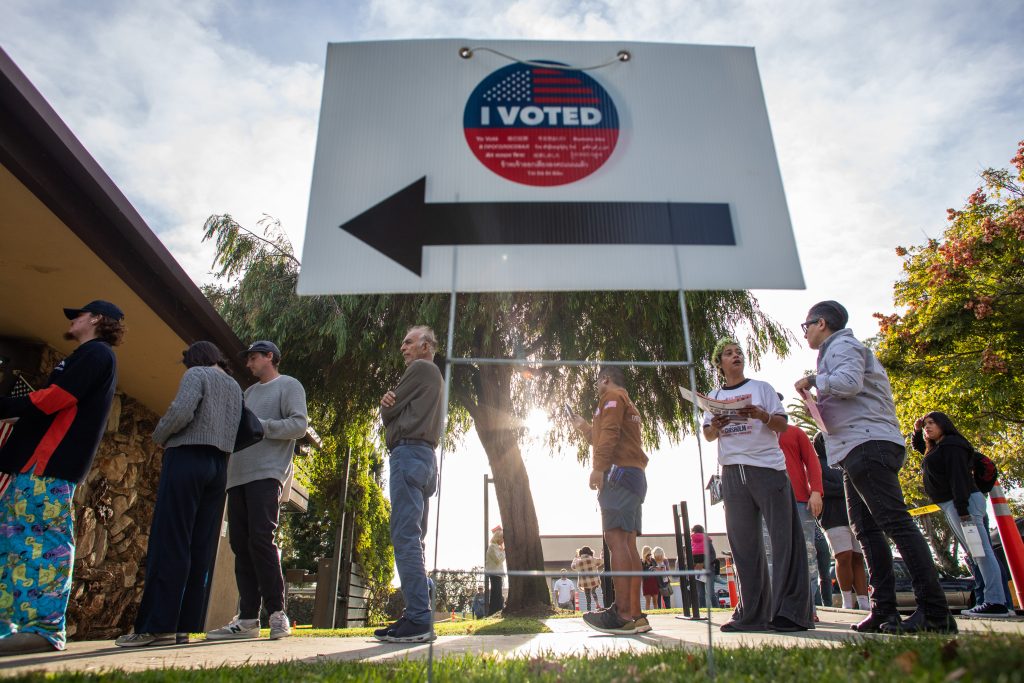
Above photo: Apu Gomes/Getty Images.
A Roadmap For The Future.
Converting support for taxing the wealthy into electoral victories will take hard work and a lot of listening.
Polling has shown over and over that Americans support higher taxes on the wealthy. But when they actually get to the ballot box, they simply aren’t voting in ways that would make that happen.
As advocates for an economy that would lift all people up and end extreme wealth concentration, this disconnect can feel incredibly frustrating. We at the Excessive Wealth Disorder Institute and Wonder for Good did some deep listening to better understand the disconnect between audiences’ support for change in the abstract and how they actually vote.
Through in-depth, qualitative audience research and message testing, we identified strategies that consistently worked — and some that didn’t — in creating positive mindsets and support for reforming the tax code. Some of our findings may be surprising to advocates accustomed to messaging to base audiences.
We found that persuadable U.S. audiences respond best to messages that focus on working people driving the economy, how the tax system should be fair to everyone, and keep the tone “strategically neutral” rather than villainizing the wealthy. We also discovered that persuadable audiences are turned off by messages that frame progressive taxes as punishing the wealthy, use language that comes off as skewed or partisan, lean too far into the unfairness or the scale of the wealth gap, or focus on what progressive tax policy could pay for.
This deep dive allowed us to identify themes for further exploration, and in an ideal world, we would go back into the field to conduct additional quantitative research to deepen and confirm our understanding of how to message persuadable audiences effectively nationwide. Unfortunately, EWDi will be closing its doors soon.
While we won’t be able to take this exploration further, we’d like to extend an open invitation to economic justice advocates to do just that. The stakes could not be higher after the massive giveaway to corporations and the super rich signed into law in the federal budget this summer at the expense of millions of people losing their healthcare. Based on our conversations with many of you, we know there’s a strong appetite for understanding how to talk to persuadable audiences about taxes in a way that breaks through and expands support for taxing the very rich and corporations.
In talking with policymakers and progressive groups, we have seen several areas of further curiosity emerge for future research:
- More research with larger audiences nationwide to test these insights. Does any of what works for persuadable audiences also work with base audiences? Are there other messengers that are especially effective, like union leaders? Do people’s positive views of billionaires extend to their heirs and inherited wealth? What do the answers look like within priority audiences like communities of color, men, and faith audiences?
- Getting the word out on what we learn! Engage in messenger and storytelling campaigns with big reach that can shift public opinion toward a new understanding of the economy, excessive wealth concentration, and tax reform.
- Building networks of leaders. Create networks of leaders who can deeply embed effective messaging approaches for persuadable audiences into the movement.
- Strengthening organizations. Invest in dedicated work with organizations and coalitions interested in implementing effective persuasion messaging in their economic justice and tax work.
- Keeping up the drumbeat. Hold regular briefings for organizations to highlight these messaging recommendations and emerging findings, and provide toolkits and guidance for rapid response.
We hope this persuasion project, combined with our tax polling report and our interactive gallery on taxes in partnership with Americans for Financial Reform Education Fund, have made a contribution to what we believe is a central challenge of our time: how to build a just and inclusive economic system rooted in shared prosperity, government accountability, and societal well-being.
It is our collective job to serve as gardeners, creating a more fertile environment for the seeds of discontent to grow into real policy change. We played our part in this incredible journey — we hope the community will carry it forward!
Hibba Meraay is research lead at the Excessive Wealth Disorder Institute and an experienced advocate and network weaver.
Jenn Steinfeld is managing director of the Excessive Wealth Disorder Institute and a passionate advocate for racial, gender, and economic equity.
Ian C. Grady is a vice president at Wonder for Good where he leads and supports teams working to understand and resolve the psychological knots tying audiences up and holding them back from support or action on a range of issues.
Porter McConnell is an independent consultant specializing in advocacy, campaign strategy, and messaging, and passionate about building popular consensus to demand better from our government.