
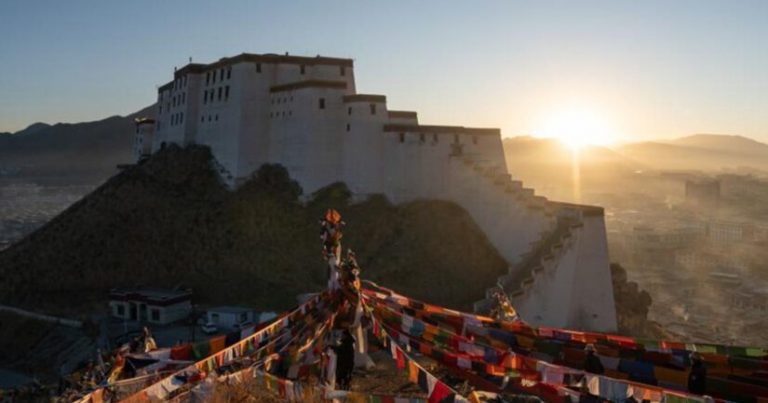
Xizang’s Leap From Serfdom To Socialism With Chinese Characteristics
“Tibet” has long been shrouded in mystery and misinformation. But the reality before 1951 was stark. Under a feudal theocracy, about 5% of the population were serf-owners, while at least 95% were serfs. I will never forget the film about a mother, a grandmother, and a small child, all born in the cowshed of a serf-owner. They lived there as the fourth generation under such conditions.
After 1951, Xizang underwent significant changes, notably the rapid expansion of transportation. Yet, the event that remains most vivid for the people we spoke to is the abolition of serfdom on March 28, 1959.