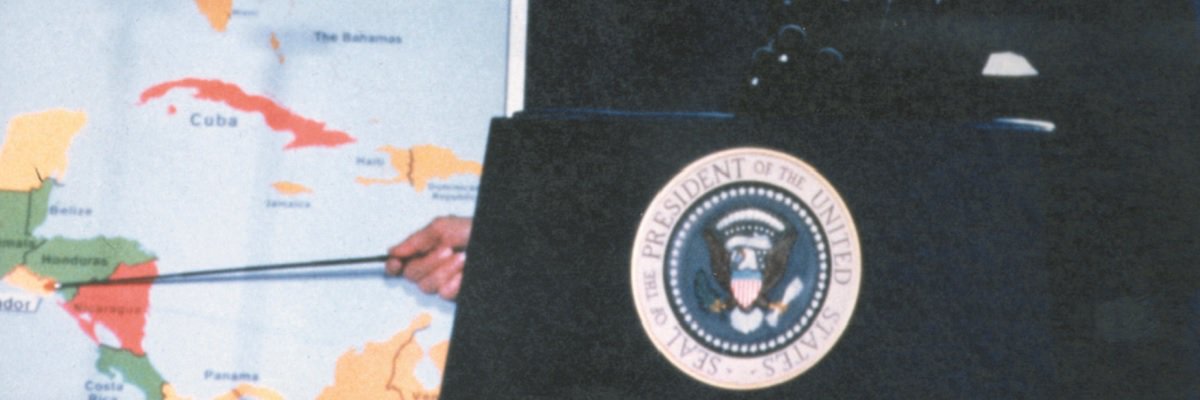
Above Photo: via CIA Flickr
The US spent billions of dollars to put in place a US-controlled government in Ukraine that would do its bidding so the US could further surround Russia with NATO and foment conflict on its border. Ukraine borders Russia and the US needed a pro-US/European government that would incorporate Ukraine into NATO.
Wikileaks published documents that the president installed after the coup, Petro Poroshenko, was known by US officials as “Our Ukraine Insider.” In 2014, we published an article that reported:
“It turns out, the evidence that Poroshenko is in the pocket of the U.S. State Department has been available all this time, you just had to know where to find it. In a classified diplomatic cable from 2006 released by Wikileaks.org, U.S. officials refer to Poroshenko as ‘Our Ukraine (OU) insider Petro Poroshenko.’
“A separate cable also released by Wikileaks makes it clear that the U.S. government was considered Poroshenko corrupt.
‘“Poroshenko was tainted by credible corruption allegations, but wielded significant influence within OU; Poroshenko’s price had to be paid.’ The U.S. government knew Poroshenko was dirty, but he was influential, and arguably their most dependable mole.
“Perhaps the most interesting revelation comes from a 2009 cable where Poroshenko told then-Secretary of State Hillary Clinton he supported ‘the opening of a U.S. diplomatic presence in Crimea’ and ‘He emphasized the importance of Crimea, and said that having U.S. representation there would be useful for Ukraine.’ Poroshenko’s role as an informant for the U.S. government continued in cables in 2010 as well.”
Now, in 2019, ‘Our Man in Ukraine’ is laying the groundwork for military conflict between the US and Russia by ensuring the entry of Ukraine into NATO, as the article below describes. This has always been a key objective of the US coup. KZ
The CIA archives offer ample evidence of 60-plus years of presidential administrations backing right-wing coups in the region
Last month, the U.S. recognized Venezuelan opposition leader Juan Guaido as the “interim president” of Venezuela. Since then, Canada, the European Union, and a slew of other countries have followed America’s lead. The move is another sign of the return to Cold War-era U.S. policy in Latin America under President Donald Trump and Secretary of State Mike Pompeo. Today, using records from the Central Intelligence Agency archives, we’ll take a brief look back at the last half-century of U.S. involvement in the region.
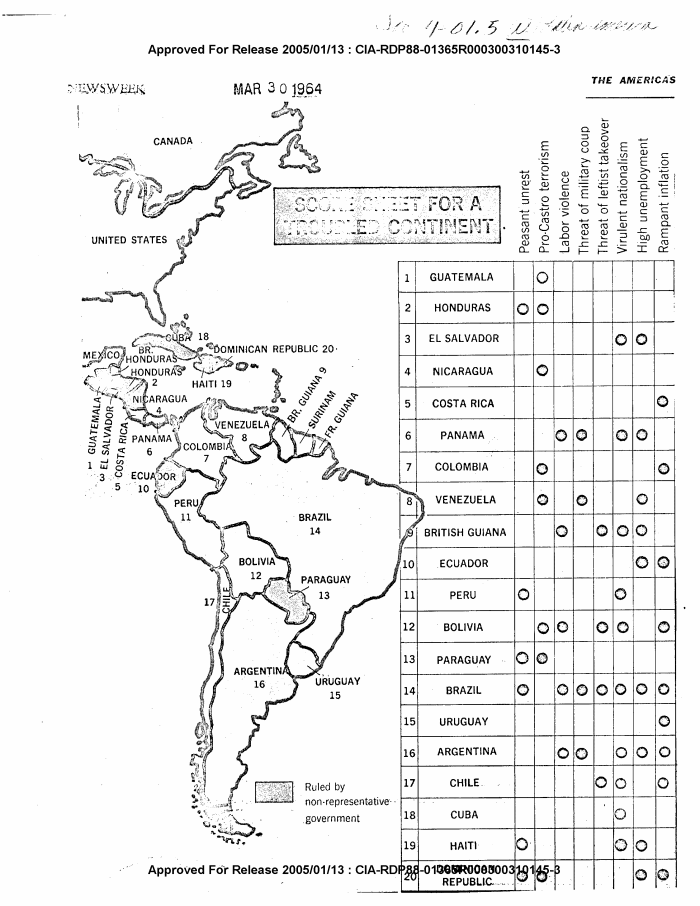
Starting in the late ‘90s, there was a leftward shift in Latin American politics, generally referred to as the “pink tide,” which saw the 1998 election of Hugo Chavez in Venezuela, the 2003 election of Luiz Inácio “Lula” da Silva in Brazil, and the 2006 election of Evo Morales in Bolivia. The shift coincided with U.S. foreign policy’s re-alignment towards the Middle East following the fall of the Soviet Union. In the ‘80s, the “Communist threat” was used to justify the Reagan administration’s policy toward Nicaragua, in which right-wing opposition groups were supported to undermine the democratically-elected Sandinista government, in the name of “democracy.”
CIA memorandums and correspondences from 1986 outline the U.S. plan to “convince audiences in Latin America and Europe that the Nicaraguan democratic resistance has a cohesive and credible political program and that it is a visible, democratic force worthy of the support of the U.S. and other democratic nations;” as well as “to demonstrate that the Sandinistas consciously and systemically violate human rights.”
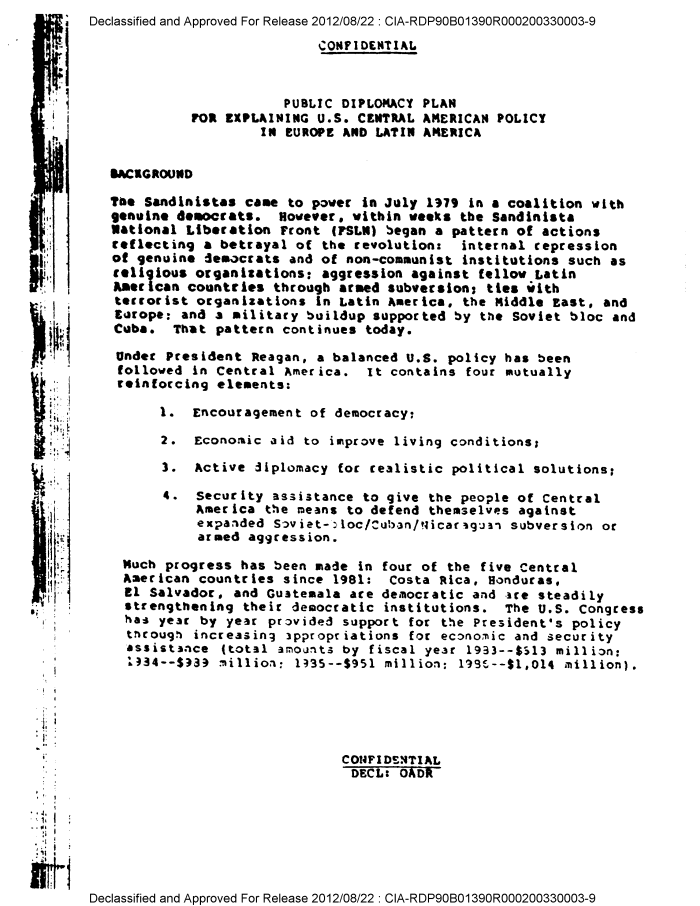
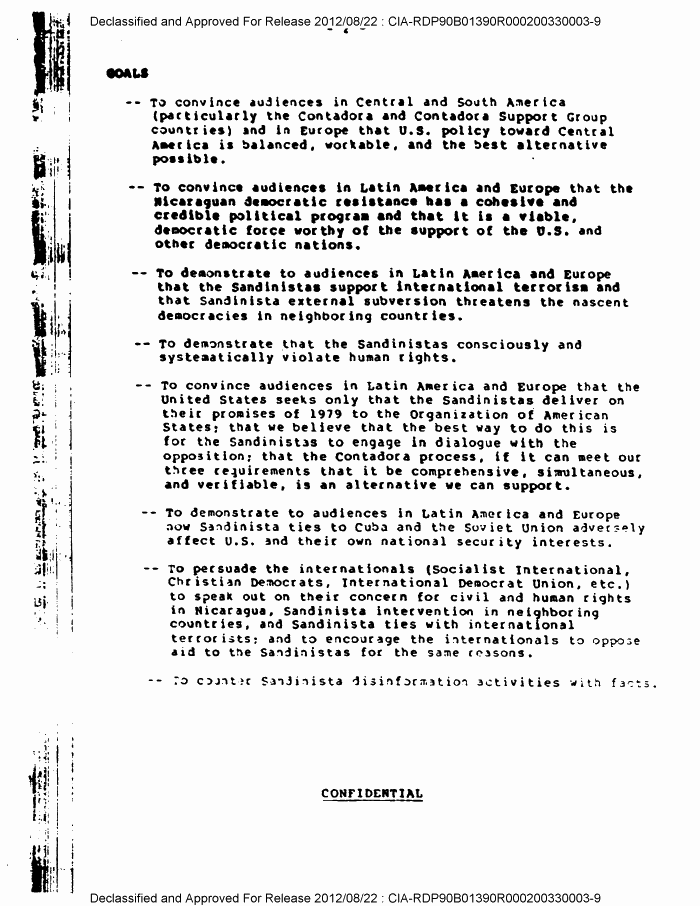
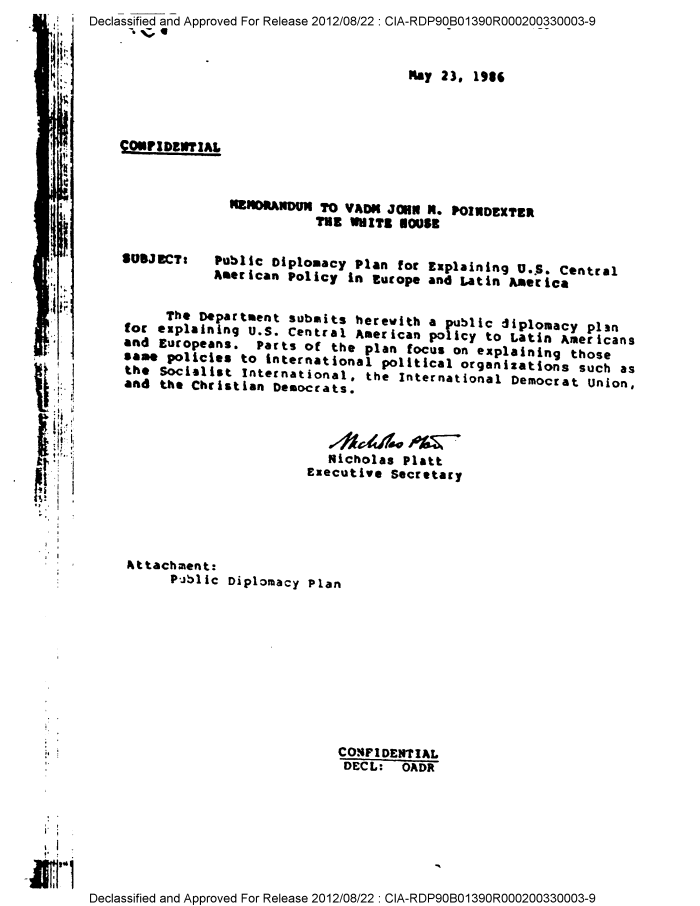
The “public diplomacy plan” laid out in these documents details U.S. efforts to spread anti-Sandinista propaganda throughout Central America and Europe in support for their goal of regime change. Of course, just like in Venezuela today, the language around regime change is framed as support for a “democratic resistance,” regardless of any documented and genuine democratic mandates for the government in power.
Of course, we know how U.S. support for regime change in Nicaragua turned out.
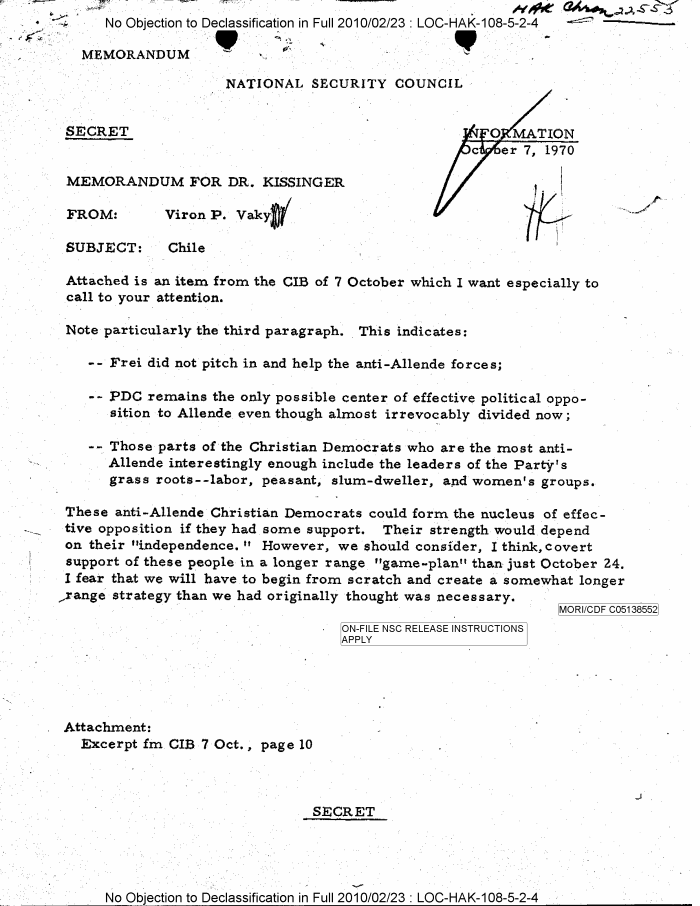
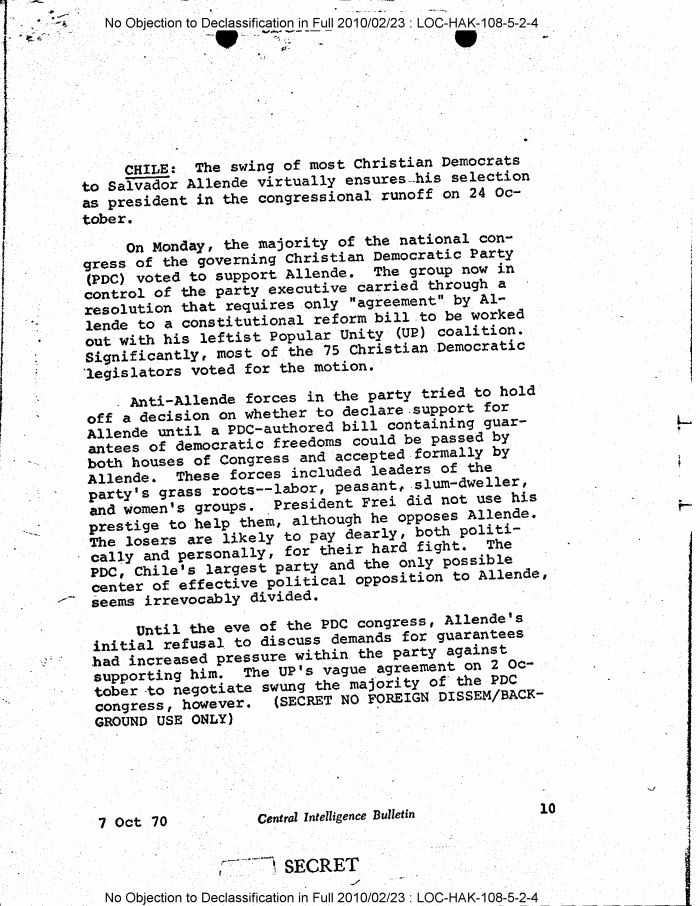
The U.S. had a similarly catastrophic hand in Chile in the 1973 coup of democratically-elected socialist president Salvador Allende. In his place, the U.S. installed Augusto Pinochet, who went on to lead a brutally violent and repressive military dictatorship in the country.
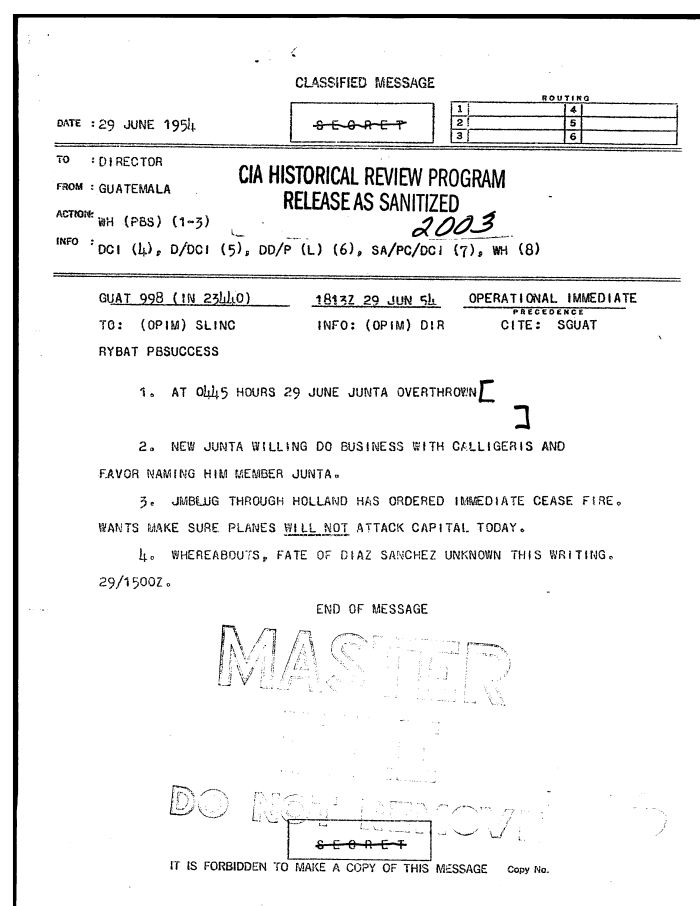
And even earlier than Chile, the CIA under President Dwight Eisenhower orchestrated yet another coup in Guatemala in 1954, deposing democratically elected Jacobo Arbenz Guzman and replacing him with yet another military dictator, Carlos Castillo Armas.
A former CIA officer who trained Guatemalan guerillas in 1954 even wrote in the Los Angeles Times about the parallels between regime change efforts then and in Nicaragua in 1986.
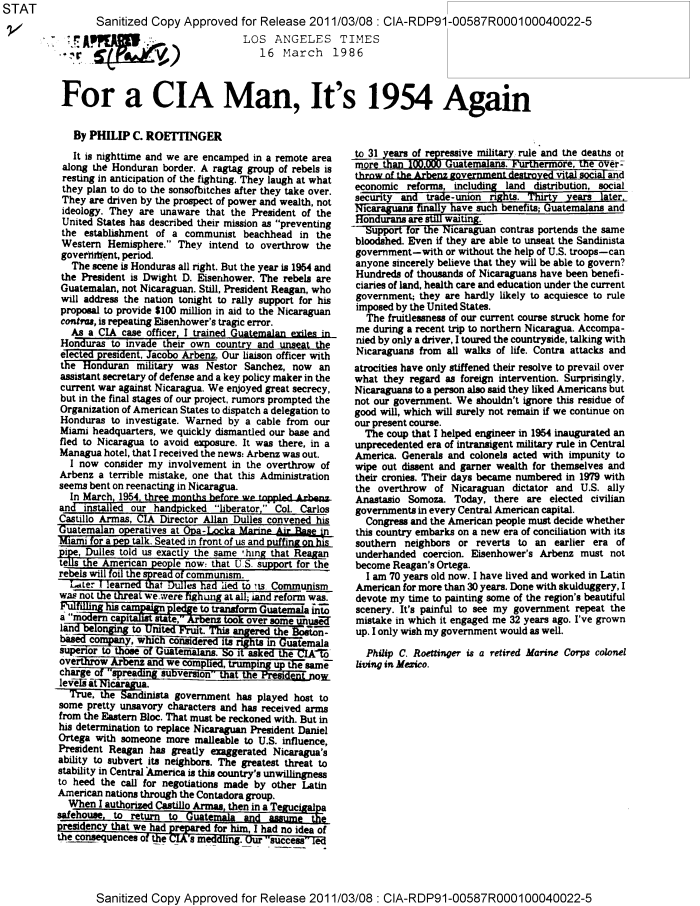
The Reagan administration would re-visit Guatemala in the early ‘80s, with equally bloody results.
While most post-Reagan CIA records are still classified, there’s still plenty of evidence of U.S. involvement. With the support of Venezuela’s corporate media apparatus, the second Bush administration – which included many officials who were active in the proxy wars and coups of Reagan-era activity in Latin America – attempted to support a coup against Chavez’s government as recently as 2002.
Of course, this is just a brief sampling of the “respect” that the U.S. has shown for the sovereignty of the region. Browse more CIA records regarding Central and South America through the link below, and let us know what you find!