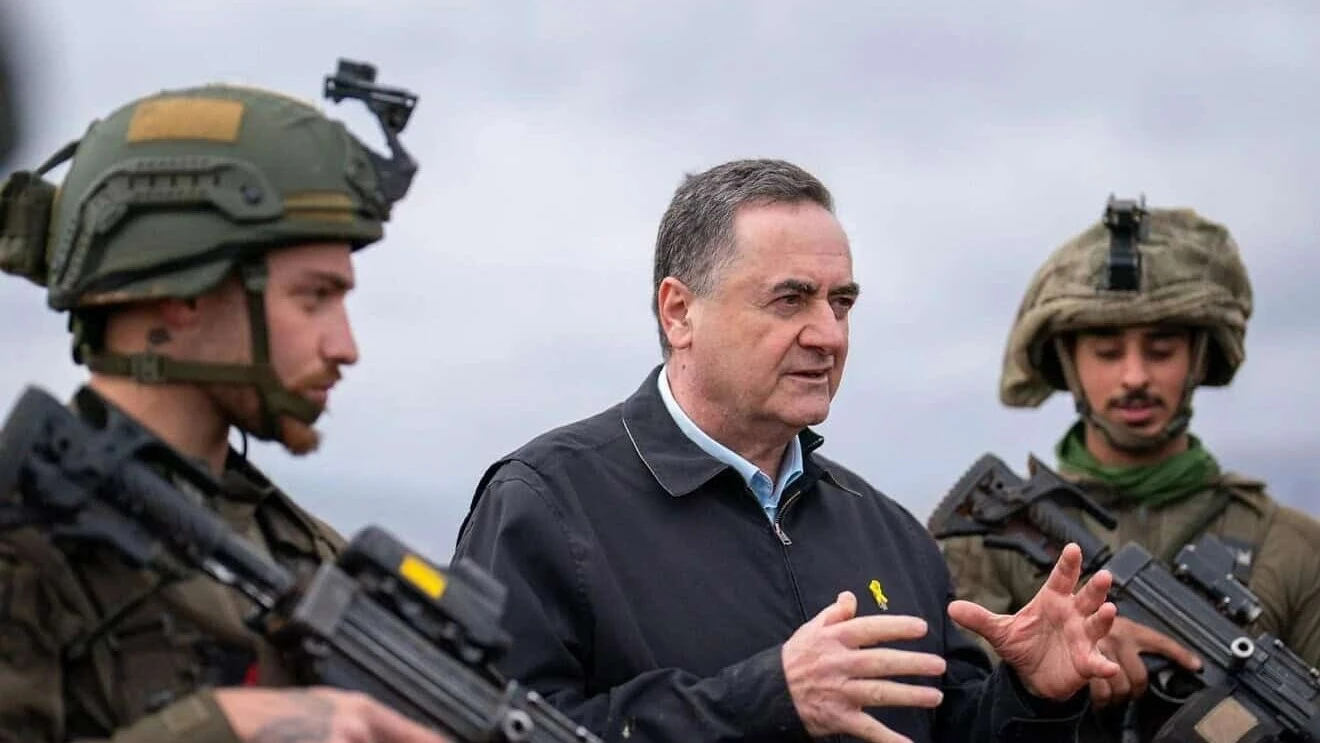
Above photo: Ariel Hermoni/Israeli Ministry of Defense.
Qatar has announced the suspension of its mediation in Gaza ceasefire talks as a result of Israel’s illegal attack.
Israeli Defense Minister Israel Katz said on 10 September that Tel Aviv will strike at “enemies” wherever they are in the world, one day after an illegal Israeli airstrike that failed to assassinate senior leaders of Hamas in Qatar.
Referring to the attack, dubbed “Operation Summit of Fire,” Katz said, “Israel’s security policy is clear – Israel’s long arm will act against its enemies wherever they may be.”
“There is no place where they can hide,” the defense minister went on to say.
“Everyone who was involved in the 7 October massacre will be held fully accountable. Anyone who engages in terrorism against Israel will be targeted. If the murderers and rapists of Hamas do not accept Israel’s conditions to end the war – primarily the release of all hostages and the disarmament of Hamas – they will be destroyed and Gaza will be devastated,” Katz added, echoing similar threats he has made recently.
According to Israeli officials cited by CNN, the decision for the attack on Qatar was made long ago, adding that planning for the “historic operation” took place over a period of two to three months.
The Israeli strike targeted senior Hamas leader Khalil al-Hayya and others as they met in Doha to discuss the latest US proposal for a ceasefire in Gaza.
Hayya’s son and four other lower-ranking Hamas members were killed. However, Hayya and other senior officials survived.
A Qatari security force member was also killed in Israel’s illegal attack.
After Israel bombed Doha on Tuesday, the Gulf state announced the suspension of its mediation for reaching a ceasefire between Israel and Hamas.
Israeli officials, including army chief Eyal Zamir, had warned repeatedly prior to the strike that Israel would move to target Hamas leaders abroad.
US President Donald Trump claimed he was “very unhappy” about the Israeli attack. He called the strike “unfortunate” and said it advances neither US nor Israeli goals.
He claimed he directed his envoy, Steve Witkoff, to warn Qatar of the strike on Doha, “which he did,” but added that the US warning was “unfortunately, too late to stop the attack.”
“I assured them that such a thing will not happen again on their soil,” Trump added.
Hebrew reports, however, have said that the US was informed ahead of time and even approved the attack.
Just three days ago, Trump issued what he called the “last warning” for Hamas to accept a ceasefire and exchange deal.
“The Israelis have accepted my terms. It is time for Hamas to accept as well,” the president said on 7 September. “I have warned Hamas about the consequences of not accepting. This is my last warning. There will not be another one.”
Qatar to ‘re-evaluate security ties’ with Washington after Israeli attack
After Trump assured Doha that such an attack would not be repeated, Israeli officials said publicly that Tel Aviv would hit Qatar again
Qatar may “re-evaluate” its security ties to the US after the Israeli strike on its capital earlier this week, according to sources cited by Axios on 11 September.
“Qatar’s prime minister told the White House his country would now re-evaluate its security partnership with Washington,” the outlet reported.
The Gulf state’s Prime Minister Mohammad bin Abdul Rahman Al-Thani “told US officials that he views what happened as a betrayal by Israel and by the US,” one source said.
According to the report, Trump has demanded a commitment from Israel that it will not strike Qatar again.
“Netanyahu didn’t consult [US President Donald] Trump or any of his top advisers until missiles were in the air. The strike infuriated the White House.”
“It’s unacceptable. I demand that you do not repeat it,” Trump told Netanyahu in a phone call, Axios’s sources claim.
“After being attacked by both Iran and then Israel within six months, Qatar will conduct a deep evaluation of its security partnership with the US and maybe find some other partners who can support its security if needed,” one of the sources said.
In an interview with CNN on Wednesday, the Qatari premier said Gulf leaders are now discussing how to respond.
“There is a response that will happen from the region. This response is currently under consultation and discussion with other partners in the region,” Al-Thani said.
“The action that (Benjamin Netanyahu) took – I cannot describe it, but it’s a barbaric action,” he added, stressing that the attack “killed any hope” for the Israeli captives being held by the resistance in Gaza.
“I was meeting one of the hostages’ families the morning of the attack. They are counting on this (ceasefire) mediation, they have no other hope for that,” he added.
The Israeli strike targeted senior Hamas leader Khalil al-Hayya and others as they met in Doha to discuss the latest US proposal for a ceasefire in Gaza.
Hayya’s son and four other lower-ranking Hamas members were killed. However, Hayya and other senior officials survived.
A Qatari security force member was also killed in Israel’s illegal attack.
After Israel bombed Doha on Tuesday, the Gulf state announced the suspension of its mediation for reaching a ceasefire between Israel and Hamas.
Israeli officials, including army chief Eyal Zamir, had warned repeatedly prior to the strike that Israel would move to target Hamas leaders abroad.
Trump said publicly this week that he was “very unhappy” with the attack, claiming he directed his envoy, Steve Witkoff, to warn Qatar of the strike on Doha, “which he did,” but added that the US warning was “unfortunately, too late to stop the attack.”
“I assured them that such a thing will not happen again on their soil,” Trump added.
Following Trump’s remarks, Netanyahu came out with a statement vowing he would strike Qatar again if need be.
“I say to Qatar and all nations who harbor terrorists, you either expel them or you bring them to justice. Because if you don’t, we will,” Netanyahu said.
Earlier on Wednesday, Israeli ambassador to the US Yechiel Leiter said, in reference to the failed assassination attempt, “If we didn’t get them this time, we’ll get them the next time.”