Skip to content

Hurricane Katrina

Tracing The Rise And Fall Of New Orleans Working Class

On October 24, 1892, nearly 3,000 New Orleans Teamsters, Scalesmen and Packers—known as the Triple Alliance or Triple A—walked off their jobs on the levees to demand overtime pay, a 10-hour-workday, and a closed shop. Representing merchants, railroad owners, and commodities exchanges, the Board of Trade announced that it would sign an agreement with the unions representing the white Scalesmen and Packers’ unions but under no circumstance would it enter into an agreement with “niggers,” as they referred to the Black Teamsters. The New Orleans Times-Democrat did its part to put its thumb on the scales by fabricating front-page stories with hysterical headlines such as “Negroes Attack White Man,” and “Assaulted by Negroes,” but nothing took.
Why We Remember Katrina

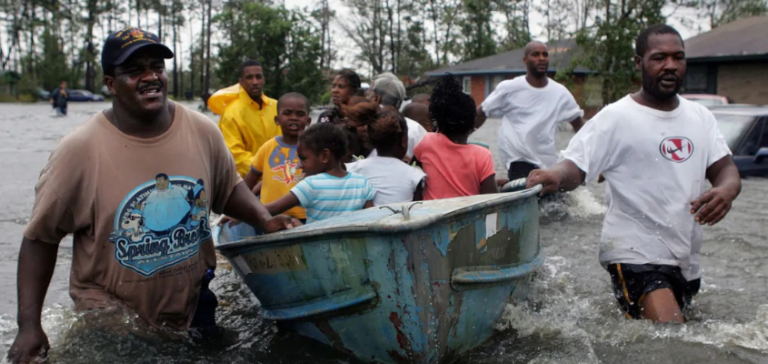
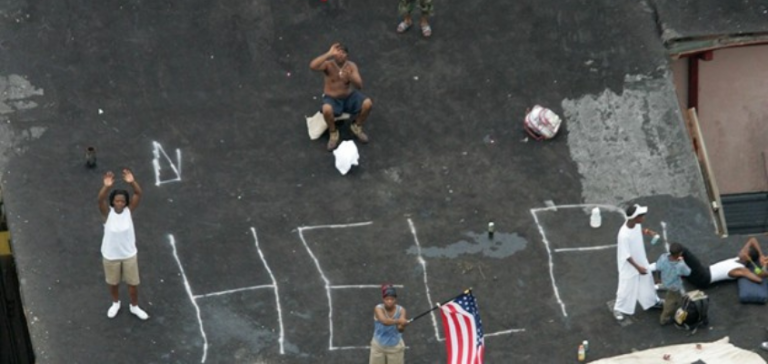
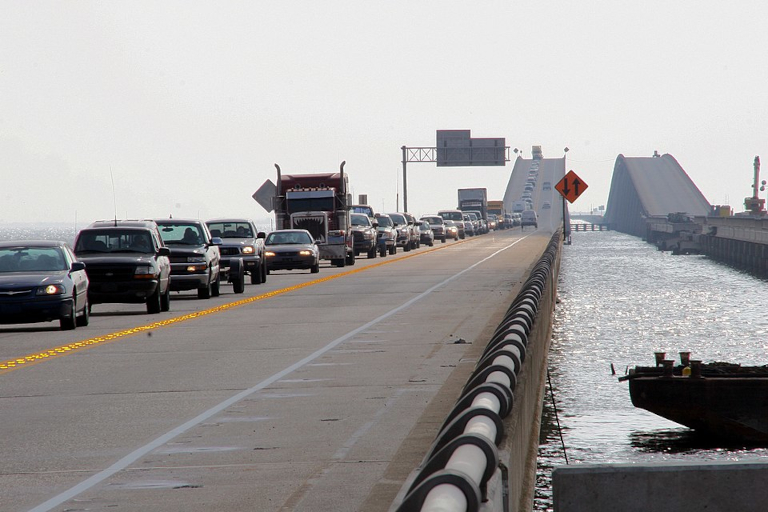
Hurricane Katrina first struck the United States on August 25, 2025 making landfall in Florida as a Category 1 hurricane, the least powerful storm in that designation. But after being downgraded to the category of tropical storm, it gained strength as it traveled into the Gulf of Mexico and again reached hurricane status, making landfall again in Mississippi and Louisiana on August 29, 2025.  Residents of Mobile, Alabama, Gulfport and Biloxi, Mississippi, and New Orleans and other Louisiana cities were all devastated by the storm surge. Twenty years later when we think of Katrina it is the images from New Orleans, where large portions of the city are below sea level, which come to mind.

Hurricane Katrina Revealed Why Climate Justice Must Include Right To Free Movement

August 29, 2005 is a day that lives in infamy in the Gulf South. On that day, Hurricane Katrina slammed onto shore at the Mississippi/Louisiana state line as a powerful and massive hurricane. Twenty years later, it remains the costliest hurricane in U.S. history. For both of us, August 29 was the day that changed everything. The storm forced us to make the heart-wrenching decision to leave our homes, businesses, and families, uncertain if we would return again. Today, that experience shapes the way that we look at and participate in conversations around immigration and the artificiality of borders. We saw in real time what it meant to have the right to remain, to migrate, and to return.

Synergy Of The Sacrificed: Katrina And The Praxis Of Imperial Domination

Commemorating Katrina and its aftermath in 2025 comes at a time when a series of anthropogenic calamities from the genocide, ethnic cleansing and apartheid in Palestine, to the militarized federal takeover of Washington, D.C. (with the threat of more cities, such as Chicago, to follow) as part of a larger fascist consolidation effort are all exacerbated by an accelerated climate crisis that further elucidates the praxis of Imperial domination, which continues to oppress colonized and marginalized peoples across the world. Imperial domination can be described as the methods in which oppressive forces - including nation states and corporations (in many cases cooperating with one another)—exercise power over oppressed people through settlement, forced displacement, and other forms of socio-economic, environmental, and cultural warfare.

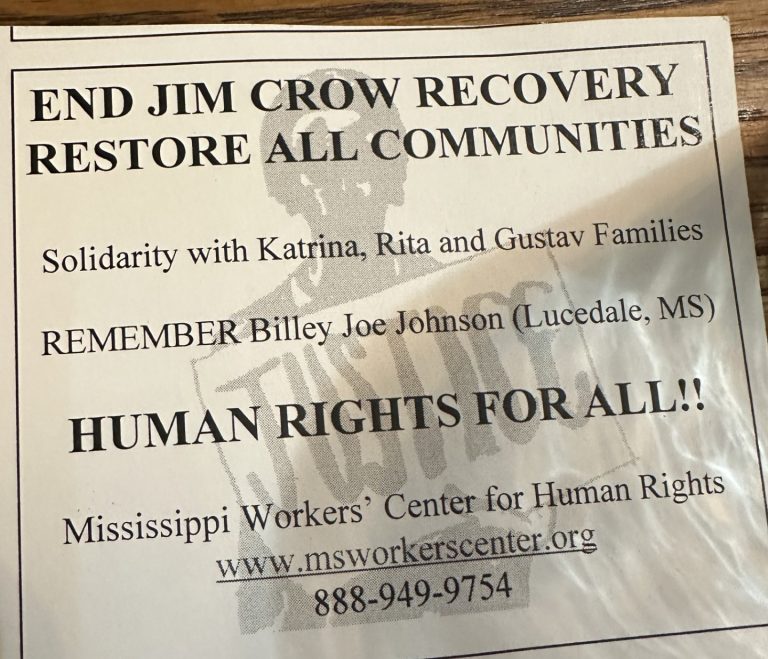
Solidarity, Not Charity, End Jim Crow Recovery, Restore All Communities

When I got the call, I was just leaving Magnolia Bar’s Summit at Tougaloo College. It was one of the courageous Ingalls Shipyard workers, whom I had the honor of representing in a race discrimination case. We were advised not to try to come back to the coast. Hurricane Katrina had touched down and the roads are blocked. Our clients packed up our hotel rooms and put our belongings in storage. What followed were harrowing calls and text messages, describing widespread loss of homes, deaths, evictions and injuries. The levies had broken! The sagging infrastructures gave way. Lives already hit hard from other storms and inequities, were once again embattled. It is no surprise that those who had very little to begin with, were the ones who were abandoned by the system.

One Of Hurricane Katrina’s Most Important Lessons Isn’t About Storm Preparations

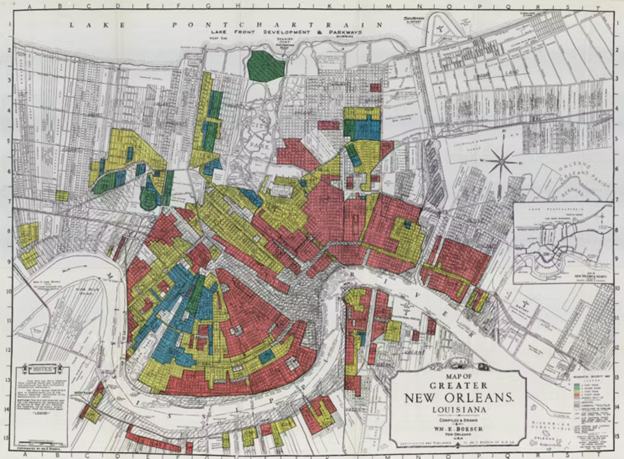
Twenty years after Hurricane Katrina swept through New Orleans, the images still haunt us: entire neighborhoods underwater, families stranded on rooftops and a city brought to its knees. We study disaster planning at Texas A&M University and look for ways communities can improve storm safety for everyone, particularly low-income and minority neighborhoods. Katrina made clear what many disaster researchers have long found: Hazards such as hurricanes may be natural, but the death and destruction is largely human-made. New Orleans was born unequal. As the city grew as a trade hub in the 1700s, wealthy residents claimed the best real estate, often on higher ground formed by river sediment.

Hidden Toll Of Hurricane Katrina On The Mental Health Of Black Survivors

When Hurricane Katrina touched down in New Orleans in late August 2005, nine-year-old Nia Burnett was too young to realize that her life would never be the same. Nia's family had chosen to stay in the city and wait out the storm. They all headed to a local hospital for safety. What they found were corpses lining the hallways. The whole building smelled like rotten flesh. Nia remembers later standing on the roof after the hospital started flooding, waiting to be rescued. Below her, she watched as all the neighborhoods she used to play in with her friends were swallowed up by the rising waters. Meanwhile, even more bodies floated around the hospital. It wasn't until 11 years after the storm that Nia was diagnosed with post-traumatic stress disorder.

Environmental Racism Links Lahaina And Katrina

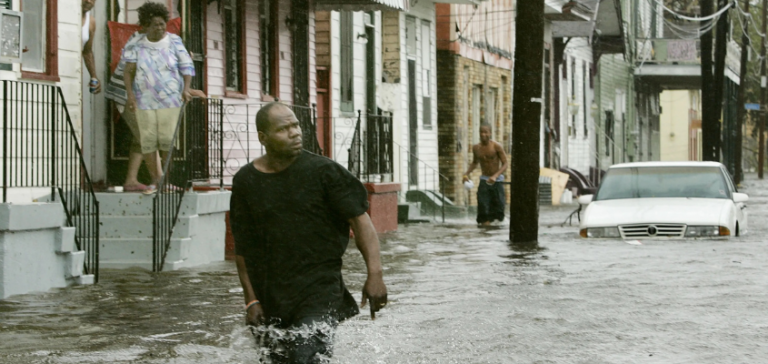
August 29 will mark the 18th anniversary of Hurricane Katrina, one of the deadliest hurricanes in U.S. history, which devastated much of the Gulf Coast (specifically Louisiana and Mississippi) and disproportionately struck New Orleans. The National Oceanic and Atmospheric Administration states that this Category 4 hurricane caused at least $108 billion in structural damage, leading to more than one million people being displaced, many permanently, especially the poor and people of color. According to livescience.com, an estimated 1,833 people died in the hurricane and the flooding that followed. (Aug. 27, 2015) That flooding, mainly caused by broken levees, overwhelmed the Ninth Ward, a predominant working-class Black neighborhood in New Orleans.

Warning Letter to Harvey and Irma Survivors from Katrina Survivor

By Bill Quigley for Popular Resistance. Dear Fellow Hurricane Survivors: Our hearts go out to you as you try to return to and fix your homes and lives. Based on our experiences, here are a few things you should watch out for as you rebuild your communities. Here are twelve lessons from a survivor of Hurricane Katrina which hit New Orleans. The final two points are: Don’t allow those in power to forget about the people whose voices are never heard. People in nursing homes, people in hospitals, the elderly, the disabled, children, the working poor, renters, people of color, immigrants and prisoners. There is no need to be a voice for the voiceless, because all these people have voices, they are just not listened to. Help lift their voices and their stories up because the voices of business and industry and people with money and connections will do just fine. It is our other sisters and brothers who are always pushed to the back of the line. Stand with them as they struggle to reclaim their rightful place. Twelve. Realize that you have human rights to return to your community and to be made whole. Protect your human rights and the human rights of others.

Newsletter: Climate Breakdown

By Kevin Zeese and Margaret Flowers for Popular Resistance. Climate breakdown is happening before our eyes at the same time the science on climate change grows stronger and has wider acceptance. Hurricane Harvey, which struck at the center of the petroleum industry – the heart of climate denialism – provided a glimpse of the new normal of climate crisis-induced events. In Asia, this week the climate message was even stronger where at least 1,200 people died and 41 million were impacted. By 2050, one billion people could be displaced by climate crises. Climate disasters demonstrate the immense failure of government at all levels.
assetto corsa mods

Urgent End Of Year Fundraising Campaign

Online donations are back! Keep independent media alive. 

Due to the attacks on our fiscal sponsor, we were unable to raise funds online for nearly two years.  As the bills pile up, your help is needed now to cover the monthly costs of operating Popular Resistance.

Urgent End Of Year Fundraising Campaign

Online donations are back! 

Keep independent media alive. 

Due to the attacks on our fiscal sponsor, we were unable to raise funds online for nearly two years.  As the bills pile up, your help is needed now to cover the monthly costs of operating Popular Resistance.

Sign Up To Our Daily Digest

Independent media outlets are being suppressed and dropped by corporations like Google, Facebook and Twitter. Sign up for our daily email digest before it’s too late so you don’t miss the latest movement news.