Skip to content

Food and Agriculture

We Can Stop the Trans-Pacific Partnership

We are in the midst of an epic battle between the people of the world and transnational corporations. Wealthy governments and corporations are merging in a global system in which private corporations have absolute power over your life. This is a battle the people can win and when we do it will show that we can defeat corporate power on issue after issue. The Obama administration is currently mired in an ambitious project to accomplish both the continuation of the WTO’s agenda and a restructuring of NAFTA in ways that place corporate property rights over protection of people and the environment. Former US Trade Representative Ron Kirk, who now has a lucrative job in the private sector advising transnational corporations for the law firm Gibson Dunn, told one interviewer, if the text were made public negotiators would be walking away from the negotiations because they would be very unpopular.

Pesticide Use Spikes as GMO Failure Cripples Corn Belt

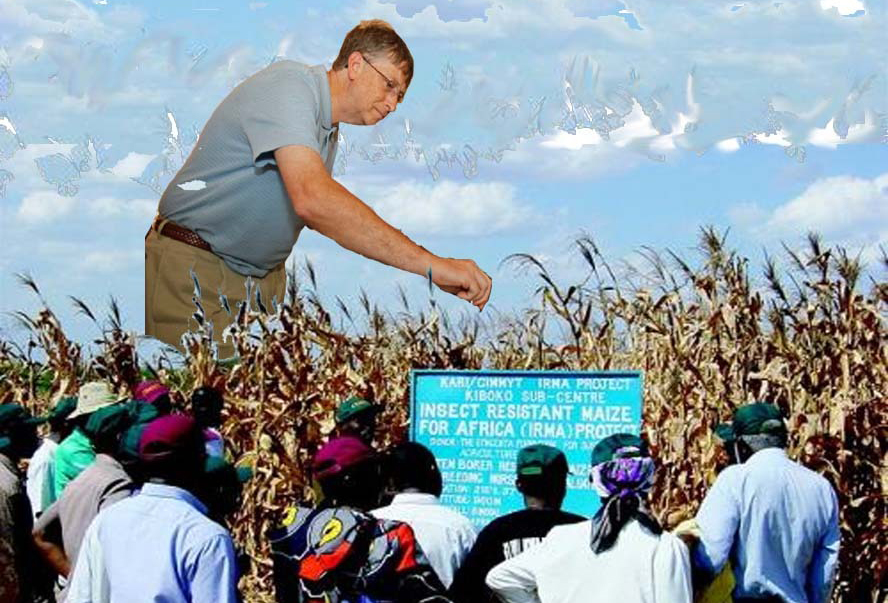
Pesticide use is skyrocketing across the Midwestern U.S. corn belt, as biotech companies like Syngenta and AMVAC Chemical watch their pesticide sales spike 50 to 100 percent over the past two years, NPR reported Tuesday. The culprit? Bt corn—a type of genetically engineered corn with insecticide built into its genes. Variations of this corn strain—peddled across the world by large multinationals including Monstanto and Syngenta—are giving rise to Bt resistant insects and worms, studies show.

Monsanto is Losing the Press

Ah, high summer. Time to read stories about the declining effectiveness of GMO-seed giant Monsanto's flagship products: crops engineered to resist insects and withstand herbicides. Back in 2008, I felt a bit lonely participating in this annual rite—it was mainly just me and reporters in a the Big Ag trade press. Over the past couple of years, though, it's gone mainstream. Here's NPR's star agriculture reporter Dan Charles, on corn farmers' agri-chemically charged reaction to the rise of an insect that has come to thumb its nose at Monsanto's once-vaunted Bt corn, engineered to contain the bug-killing gene of a bacteria called Bacillus thuringiensis:

Oli Garch Applauds Monsanto’s Role in the Trans-Pacific Partnership

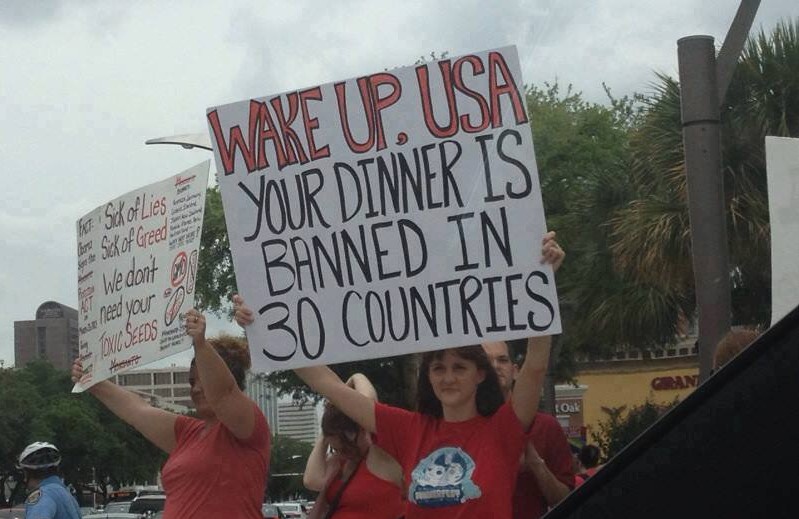
Access to food is a basic human right. Instead, TPP expands the notion that food is just another commodity subject to economic speculation and exploitation solely to increase the profits of multinational corporations. TPP promotes export-oriented food production, its passage will increase global hunger and malnutrition, alienate millions from their productive assets and resources; land, water, fish, seeds, technology and generations of cultural knowledge. In order to guarantee the independence and food sovereignty of all of the world’s peoples, it is essential that food is produced though diversified, community based production systems.

ANNOUNCING: Action Campaign to Stop the Trans-Pacific Partnership

FlushTheTPP.org is an action campaign to Stop the Trans-Pacific Partnership (TPP). We invite you to join us. In order to stop the TPP we need to act quickly and in solidarity with people in other countries. This massive trade agreement is a high priority for transnational corporations, and they are working fast to make it law.The TPP affects many issues, including worker’s rights and wages, environmental collapse and climate change, sovereignty of nations and democratic rule of law, Internet freedom and online creativity, food safety and agriculture, healthcare and financial regulation (including controls over the flow of capital), and much more. For a quick overview of some of the issues, click through the slides on our home page.

Drinking Water Contamination Linked to Fracking, Horizontal Drilling

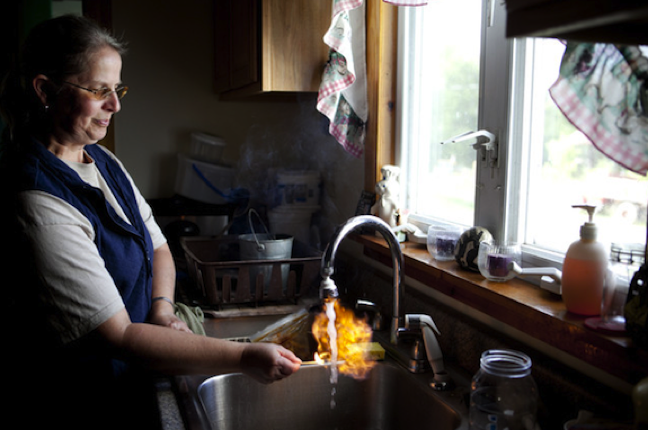
Led by Robert B. Jackson of Duke University, the study published Monday in theProceedings of the National Academy of Sciences found that drinking water wells in close proximity to natural gas wells that use horizontal drilling or fracking were contaminated with stray gases including methane, ethane and propane, with methane concentrations an average of six times higher than those wells farther away. “The methane, ethane and propane data, and new evidence from hydrocarbon and helium content, all suggest that drilling has affected some homeowners’ water,” lead author Robert B. Jackson, a professor of environmental sciences at Duke’s Nicholas School of the Environment, said in a statement.

Top Agriculture Negotiator on the TPP: Monsanto

The chief agricultural negotiator for the US is the former Monsanto lobbyist, Islam Siddique. There appears not to be a specific agricultural chapter in the TPP. Instead, rules affecting food systems and food safety are woven throughout the text. This agreement is attempting to establish corporations’ rights to skirt domestic courts and laws and sue governments directly with taxpayers paying compensation and fines directly from the treasury. Some of the things we should expect to see include: more large scale farming and more monocultures; destruction of local economies; no input into how our food is grown or what we will be eating; more deforestation; increased use of herbicides and pesticides; increased patenting of life forms; more GMO plants and foods; and no labeling of GMOs in food.

Five Million Brazilian Farmers take on Biotech Giant Monsanto

Five million Brazilian farmers have taken on US based biotech company Monsanto through a lawsuit demanding return of about 6.2 billion euros taken as royalties from them. Farmers say that they are using seeds produced many generations after the initial crops from the genetically modified Monsanto seeds were grown. Farmers claim that Monsanto unfairly collects exorbitant profits every year worldwide on royalties from "renewal" seed harvests. Renewal crops are those that have been planted using seed from the previous year's harvest. Monsanto disagrees, demanding royalties from any crop generation produced from its genetically-engineered seed. Because the engineered seed is patented, Monsanto not only charges an initial royalty on the sale of the crop produced, but a continuing two per cent royalty on every subsequent crop, even if the farmer is using a later generation of seed.

Ojibwe Water Walker Prays for Mississippi River

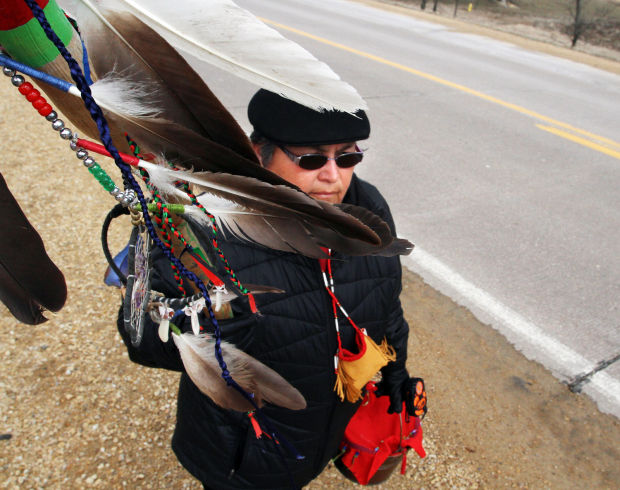
But the Water Walk is not about resisting anything. It’s really about love—love for ourselves because we are the water and love for the rivers. Some of the walkers questioned what we would do next, but I don’t really know what we will do next. I did the Mississippi River Water Walk because I live a block from the river, and I cross it several times a day. I have a relationship with the Mississippi River. But it’s about love. It’s about moving toward something, as opposed to resisting anything. The old people say that if you want peace, you must be with love. One day when someone asked, “Why do you do this? What do you hope to accomplish?” I said I was walking because I want world peace. And ultimately that is why we walk.

Paraguayan Indigenous Community Reoccupies Territory After Two Decades

ving precariously on the side of a highway in Paraguay's remote Chaco region for more than 20 years, ever since a German cattle rancher and the Paraguayan state illegally kicked them off of their ancestral lands. A 2006 Inter-American Human Rights Court ruling held the Paraguayan state responsible for returning roughly 14,000 hectares to the community Sawhoyamaxa, a small fraction of their original territories. After pursuing every legal means possible and even blocking the highway in protest to no avail, the community decided in March 2013 to take matters into their own hands and reoccupy their lands.

Generous Cities: Bio-mimicry and Urban Design

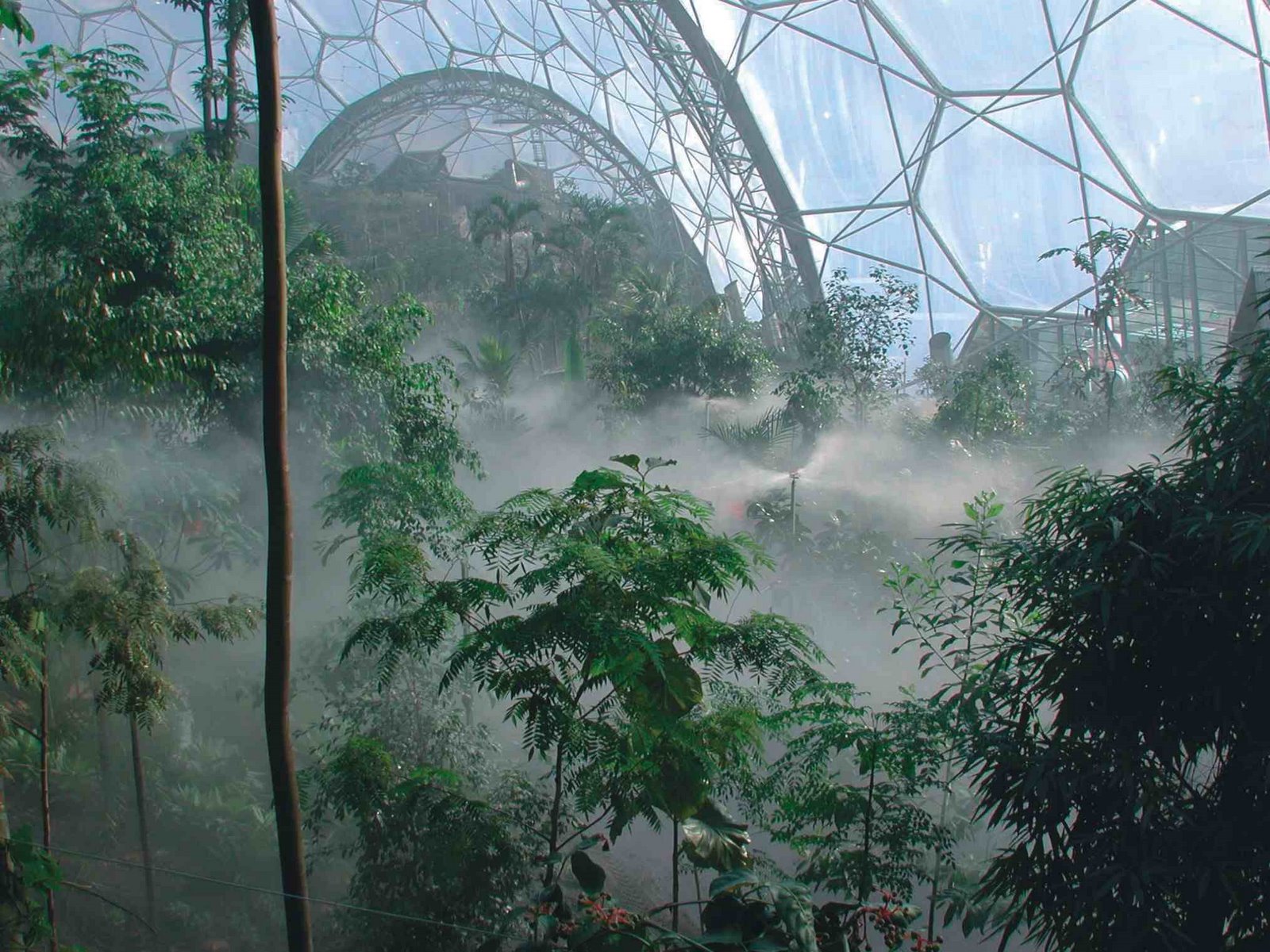
Benyus proposed a shift in thinking about how nature's communities function, arguing that mutualism, not competition, is the driving force in nature. "Together is better," she said, adding that building mutually beneficial relationships will ultimately result in surplus, not scarcity. She illustrated this idea with a monsoon forest: during the rainy season, plants will absorb water and push it to its deepest roots for storage. In the dry season, this moisture will be pulled back up and pushed out through shallow roots, benefiting all of the other plants and organisms around it.

New Documentary on Challenges of Occupying: “Grasp the Nettle”

Two years before the Occupy movement sprang forth in New York and London, a motley group of land rights activists occupied a piece of disused land in west London to create an alternative model of moneyless, sustainable living. Little did they know they were about to embark on an extraordinary journey, at once harrowing and inspiring, that would take them into the heart of Westminster. Dean Puckett's new documentary, Grasp the Nettle, follows the bewildering and even amusing exploits of this group over a one year and three month period. The result is a powerful film which raises often unsettling questions - not just about the draconian trajectory of state policy, but about the potential pitfalls of activism.

Bono Defends New Food Campaign in Africa, Exploits Poor

But this is worse. As the UK chairs the G8 summit again, a campaign that Bono founded, with which Geldof works closely, appears to be whitewashing the G8's policies in Africa. Last week I drew attention to the New Alliance for Food Security and Nutrition, launched in the US when it chaired the G8 meeting last year. The alliance is pushing African countries into agreements that allow foreign companies to grab their land, patent their seeds and monopolise their food markets. Ignoring the voices of their own people, six African governments have struck deals with companies such as Monsanto, Cargill, Dupont, Syngenta, Nestlé and Unilever, in return for promises of aid by the UK and other G8 nations.

Hidden Benefits of Community Gardens

Community gardening reduces crime rates. Take one community in North Philadelphia that was once full of vacant, rundown buildings and plagued with crime, drugs, trash and derelict people as much as derelict infrastructure. A group of women decided to build the Las Parcelas Cummunity Garden and Kitchen. Not only did it improve crime rates, it caused a ripple effect and people started taking care of their own properties, looking out for one another and completely transformed their neighborhood. Community gardening provides organic food to some people who might not otherwise be able to afford it. At the community garden I volunteered at, I found out that entire immigrant families supplemented their food bills with organic produce from their ‘family’ plots, about 5-foot by 7-foot of soil, made to grow everything from spinach to onions, winter squash, kale, turnips, edible flowers, and so on.

Local, Self-Sufficient, Optimistic: Are Transition Towns the Way Forward?

Sweeping changes in history are made not only by "big" people doing big things but by groups of "ordinary" people doing smaller things together. And that it's a mistake to overlook those small steps. "There is no cavalry coming to the rescue," he says. "But what happens when ordinary people decide that they are the cavalry? Between the things we can do as individuals, and the things government and business can do to respond to the challenges of our times, lies a great untapped potential. It's about what you can create with the help of the people who live in your street, your neighbourhood, your town. If enough people do it, it can lead to real impact, to real jobs and real transformation of the places we live, and beyond." The Transition network was founded in 2005, as a response to the twin threats of climate change and peak oil. Unlike other campaign groups, the Transition network never set out to frighten people, but seemed resolutely upbeat, determined to find opportunity in what most regard with dismay.
assetto corsa mods

Urgent End Of Year Fundraising Campaign

Online donations are back! Keep independent media alive. 

Due to the attacks on our fiscal sponsor, we were unable to raise funds online for nearly two years.  As the bills pile up, your help is needed now to cover the monthly costs of operating Popular Resistance.

Urgent End Of Year Fundraising Campaign

Online donations are back! 

Keep independent media alive. 

Due to the attacks on our fiscal sponsor, we were unable to raise funds online for nearly two years.  As the bills pile up, your help is needed now to cover the monthly costs of operating Popular Resistance.

Sign Up To Our Daily Digest

Independent media outlets are being suppressed and dropped by corporations like Google, Facebook and Twitter. Sign up for our daily email digest before it’s too late so you don’t miss the latest movement news.