Skip to content

Food and Agriculture

Study: Shellfish Face High Risk From Ocean Acidification

As oceans become more acidic, the US shellfish business is facing “high economic risk” in 15 out of 23 coastal states, according to a study published Monday in the Nature Climate Change journal. Massachusetts tops the list of states facing the highest risk, the study concluded. Shelled mollusks such as oysters, clams and scallops are extremely sensitive to ocean acidification, according to the paper. Those species represent lucrative fisheries, and a big part of the economy in coastal communities that depend on their sale. The US shellfish industry brings in $1bn annually, according to the report. In the Southern Massachusetts fishery alone, shellfish makes up a $300m-per-year business, with the state giving out 1,350 commercial fishing licenses annually.

USDA Approves ‘Untested, Inherently Risky’ GMO Apple

On Friday, February 13, the U.S. Department of Agriculture (USDA) approved the first genetically engineered apple, despite hundreds of thousands of petitions asking the USDA to reject it. In April 2013, we interviewed scientists about the genetic engineering technology used to create the Arctic Apple, whose only claim to fame is that it doesn’t turn brown when sliced. The benefit to consumers? Being able to eat apples without having any sense of how old they are? Here’s what we learned about the technology, called RNA interference, or double strand RNA (dsRNA), from Professor Jack Heinemann (University of Canterbury, New Zealand), Sarah Agapito-Tenfen (from Santa Catarina University in Brazil) and Judy Carman (Flinders University in South Australia), all of whom said that dsRNA manipulation is untested, and therefore inherently risky. . .

Youth Food Justice Zine: Call For Submissions

We want to include as many voices in this zine as possible! Send us your art (drawings, lyrics, slam poetry, photos, collages, rhymes, reflections etc.) and writings around food justice work. Know of any amazing youth groups doing work around food justice? Know of someone in your community that needs to be interviewed? This is your opportunity to do some multimedia investigations and send us your results. You can also help us out by sharing this call for submissions in your social media networks and in person to friends who might be interested in submitting. The goal is to make a zine that lifts up the voices of youth food justice activists as well as intergenerational narratives around youth power within the context of the United States.

Polish Farmers Block Motorways For Land Rights, No GMOs

Poland's biggest ever farmers' protest is now entering its second week after closing down key motorways and main 'A' roads. Rallies and blockades have so far taken place in over 50 locations across the country involving thousands of small and family farmers. Over 150 tractors have been blockading the A2 motorway into Warsaw since the 3rd February and hundreds more have closed roads and are picketing governmental offices in other regions. The farmers are vowing to continue the struggle until the government agrees to enter talks with the union and address what the growing crisis in Polish agriculture, and roll back measures that unfairly discriminate against smaller family-run farms.

Last McDonald’s Meal In Iceland, Circa 2009, Still On Display

After spending over a year in Iceland’s National Museum, the last McDonalds meal sold in the country will now be going on display at the Bus Hostel in Reykjavik. The world-famous fast food chain shut down its Iceland locations in 2009, and even after all this time the last meal sold in the country has still not become rotten or moldy. After the economic collapse, McDonalds failed to keep customers coming back in Iceland, and the company was forced to close their doors in the country. The final day that McDonalds was open in Iceland was October 31, 2009, and on that day a man named Hjortur Smarason purchased a meal as a souvenir.

The Re-Colonization Of Africa

Most of the world's food is grown by small scale farmers. While it is called "traditional" agriculture, it is never static and farmers constantly adapt. This traditional agriculture relies on a varied and changing mix of crops, a polyculture, which provides a balanced diet, is affordable for local farmers and can accommodate changing local conditions. The Green Revolution relied on increasing acreages of monocultures, mostly cereal grains, which also increased the use of herbicides, insecticides and fertilizers as well as new varieties of high yielding crops. Inputs that small farmers, those who fed the people, were never meant to afford. It was an unsustainable system that called for too many inputs, too much machinery and too much energy.

Radical Farmers Use Fresh Food To Fight The New Jim Crow

In August, five young men showed up at Soul Fire Farm, a sustainable farm near Albany, New York, where I work as educator and food justice coordinator. It was the first day of a new restorative justice program, in partnership with the county’s Department of Law. The teens had been convicted of theft, and, as an alternative to incarceration, chose this opportunity to earn money to pay back their victims while gaining farm skills. They looked wary and unprepared, with gleaming sneakers and averted eyes. “I basically expected it to be like slavery, but it would be better than jail,” said a young man named Asan. “It was different though. We got paid and we got to bring food home. The farmers there are black like us, which I did not expect."

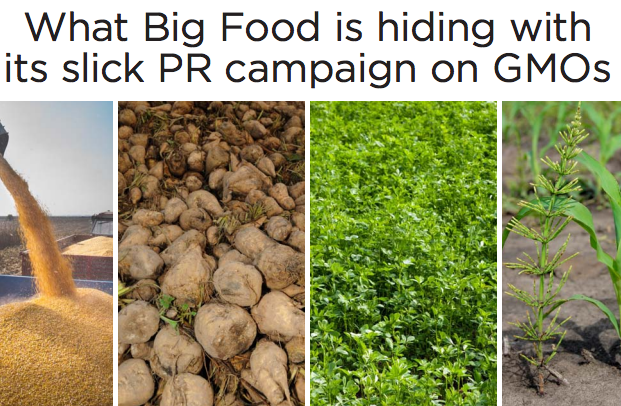
What Big Food Is Hiding With Its Slick PR Campaign On GMOs

U.S. Right to Know – a new nonprofit organization — released a new report today on Big Food’s PR campaign to defend GMOs: how it manipulated the media, public opinion and politics with sleazy tactics, bought science and PR spin. Since 2012, the agrichemical and food industries have mounted a complex, multifaceted public relations, advertising, lobbying and political campaign in the United States, costing more than $100 million, to defend genetically engineered food and crops and the pesticides that accompany them. The purpose of this campaign is to deceive the public, to deflect efforts to win the right to know what is in our food via labeling that is already required in 64 countries, and ultimately, to extend their profit stream for as long as possible.

The US Covert War On Venezuela In 2015

Plenty of coffee in the coffee houses and bakeries in Caracas. In the supermarkets or grocery stores? Very rare in the last few months. This is hardly surprising when, in the last week, the authorities uncovered more than 1,000 tons of ground coffee and roasted coffee beans waiting to be spirited away to Colombia. In Falcón state 15 tons of coffee was found; in Lara state a supplier and packaging company had 500 tons standing idle in his warehouse; in neighboring Portuguesa state a further 460 tons were discovered hidden in a warehouse and being sold as “gourmet coffee” which is almost 6 times the official price for standard ground coffee when there is, is fact, very little difference. At the other end of country in Anzoategui state, the National Guard found 91 tons of food, personal hygiene and cleaning products.

More Evidence Of Western Takeover Of Ukraine: Agriculture

As unusual as it may seem, this appointment is consistent with what looks more like a takeover of the Ukrainian economy by Western interests. In two reports – The Corporate Takeover of Ukrainian Agriculture and Walking on the West Side: The World Bank and the IMF in the Ukraine Conflict – the Oakland Institute has documented this takeover, particularly in the agricultural sector.The Ministry of Finance went to Natalie Jaresko, a U.S.-born and educated businesswoman who has been working in Ukraine since the mid-1990s, overseeing a private equity fund established by the U.S. government to invest in the country.

Northern Dene Trappers Alliance Holding The Line

The Northern Dene Trapper Alliance have been staying in trapper tents for the past 60 days, 10 km north of LaLoche, Saskatchewan along Hwy #955. They established the Camp on November 19, 2014 to show their grave concern over the amount of uranium and oilsands exploration that is taking place in their traditional trapping, hunting, and fishing areas. On November 22, 2014 they erected a checkpoint to prevent vehicles associated with this exploration from going through. Saskatchewan Government sent a negotiator to the Camp in late November. On December 1, 2014 a dozen RCMP with their hands on their pistols and two video cameras rolling served them an injunction removed the barricade and a trailer from the side of the road. The people at the Camp are not going away. They have been keeping a presence despite the injunction.

Unregulated Globalization Vs. People’s Climate Justice

Experts have argued for some time that small farms can play an important role in the struggle against climate change and that governments should prioritize strengthening and protecting small and medium-sized farms. Yet small farmers continue to be the victims of land displacement, killings, and other human rights violations, often perpetrated by state security forces, private companies, and paramilitaries, in many parts of Latin America and elsewhere in the developing world. Rural workers face the destruction of their environment and culture, lack access to basic needs, and rarely have a say in the policymaking processes that affect their lives.

Food Movement On The March

I joined the march against agribusiness in Berlin on Saturday, 17 January. It is too easy to be blaséabout yet another demonstration. However, the large turnout of tens of thousands of people of all ages during a winter day was good for me. It reminded me that many others also care deeply about our food, where it comes from, and how it is produced. I know there is a vibrant food movement in North America and especially in the US, but I was pleasantly surprised to learn that it is also powerful and broad-based in Germany. The strongest message of hope I took home from this march was that many people are doing more than just turning up to demonstrations. They are actually doing something directly about their food: changing their own diet with no (or less and organic) meat, buying more food directly from local farmers, and so on.

New Double Bt Toxic Soy Just Approved In US

How about an EXTRA does of Bt toxins in your food? The United States Department of Agriculture (USDA) has already given their rubber stamp toBacillus thuringiensis or Bt corn, cotton, potatoes, and soy that contain a soil dwelling bacterium used as a biological pesticide linked to negative immune system responses in a single dose, but now insect-resistant trait event DAS-81419-2, a double Bt toxin soy has now been de-regulated or ‘approved’ by our illustrious ‘protector of the food supply.’ he USDA’s deregulation of the two Bt protein trait to be allowed in soybeans through biotech engineering methods opens the door for other crops to be modified with additional Bt toxins as well. This ‘in-plant’ GM version of soy was created in order to protect against pests like fall army (Spodoptera frugiperda), soybean looper (Pseudoplusia includes), velvetbean caterpillar (Anticarsia gemmatalis), soybean podworm (Helicoverpa gelotopoeon) and tobacco budworm (Heliothis virescens) and Rachiplusia nu.

GMO-Free Food Sales Explode Amid Public Awareness

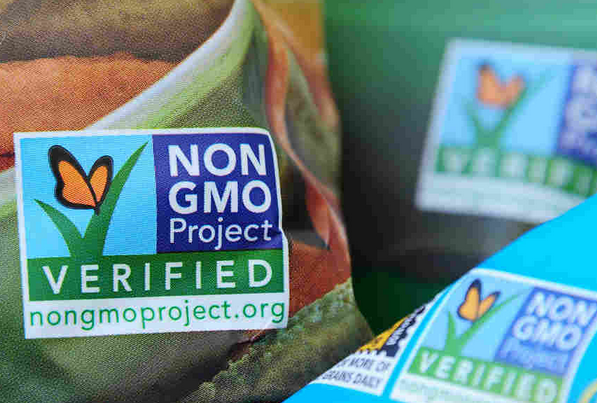
Americans are speaking with their wallets like never before in order to voice our true collective opinion of how corporations and Big Food are working with our food. One critical example of how we are demanding change can be seen where the sale of non-GMO Project Verified foods have more than doubled since 2013. Verified GMO-free food sales were $3 billion in 2013 and were $8.5 billion in 2014! Not only that, organic food sales overall are projected to grow another 14% by 2018, and this is a modest estimate according to The United States Organic Food Market Forecast & Opportunities.
assetto corsa mods

Urgent End Of Year Fundraising Campaign

Online donations are back! Keep independent media alive. 

Due to the attacks on our fiscal sponsor, we were unable to raise funds online for nearly two years.  As the bills pile up, your help is needed now to cover the monthly costs of operating Popular Resistance.

Urgent End Of Year Fundraising Campaign

Online donations are back! 

Keep independent media alive. 

Due to the attacks on our fiscal sponsor, we were unable to raise funds online for nearly two years.  As the bills pile up, your help is needed now to cover the monthly costs of operating Popular Resistance.

Sign Up To Our Daily Digest

Independent media outlets are being suppressed and dropped by corporations like Google, Facebook and Twitter. Sign up for our daily email digest before it’s too late so you don’t miss the latest movement news.