Skip to content

COP30

Big Food’s Routes To Influence At COP30

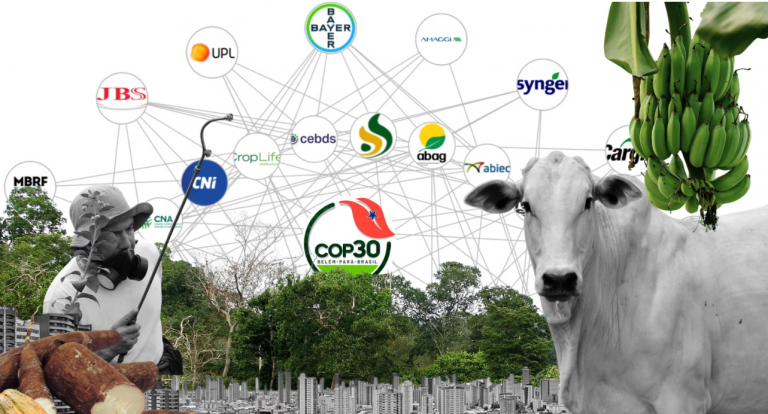
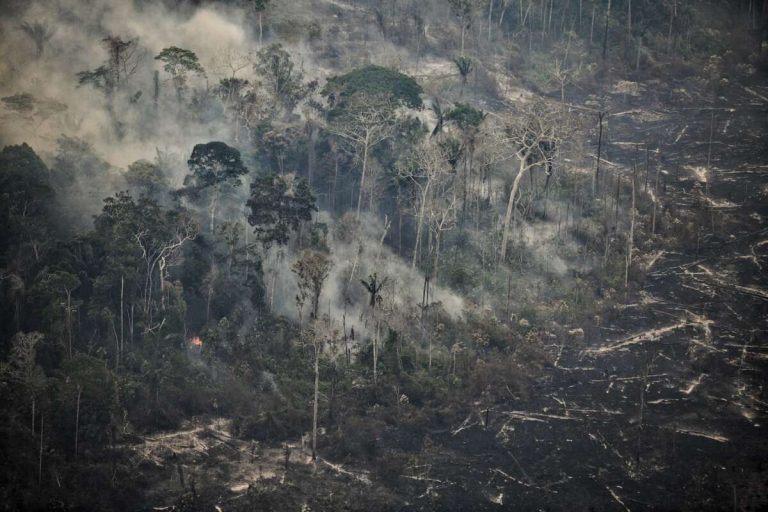
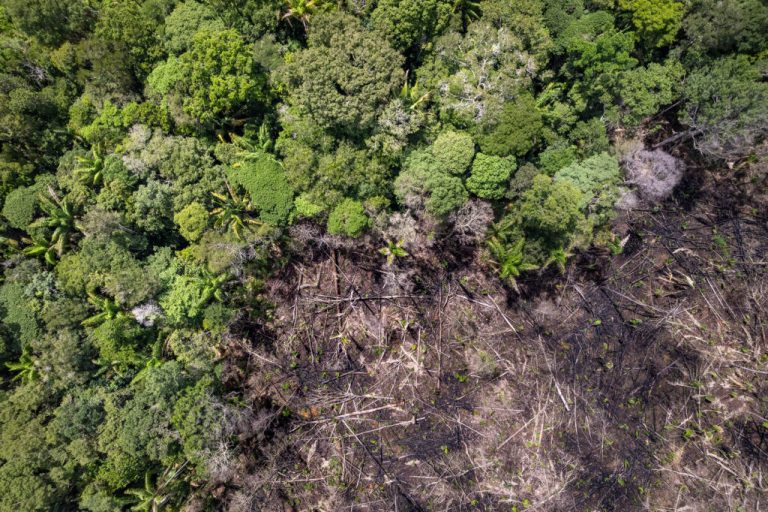
In the city of Belém, at the mouth of the Amazon rainforest, Brazil has kicked off the COP30 climate conference, a summit framed as a pivotal moment to reduce emissions and keep the Paris Agreement alive. More than 50,000 people are expected to attend, from heads of state to civil society groups. But as attention turns to Brazil, some of the highest emitters from the food sector are also moving to shape the agenda — positioning industrial farming not as part of the problem, but as a climate solution. Agriculture’s powerful influence operation comes at a fragile moment.

The Time Is Here To Act On Climate Adaptation

The United Nations Conference of Parties (COP) is holding its annual meeting in Brazil this year for the 30th time. Despite the creation of the Paris Climate Agreement nearly ten years ago, carbon emissions continue to rise, and the world is now experiencing the impacts of the 1.5° Celsius rise in temperature we sought to avoid. The time has come to shift our thinking and actions to what we can do locally to prepare for and protect our communities from the dangers of the climate crisis. Clearing the FOG speaks with Ed Jarvis, the leader of the Climate Majority Project's SAFER (Strategic Adaptation for Emergency Resilience) campaign. Jarvis discusses the campaign's efforts to bring greater awareness to the need for adaptation and shares what people are doing with a focus on climate justice.

COP30 Takes Place In Brazil, Seeking To Prevent ‘Climate Collapse’

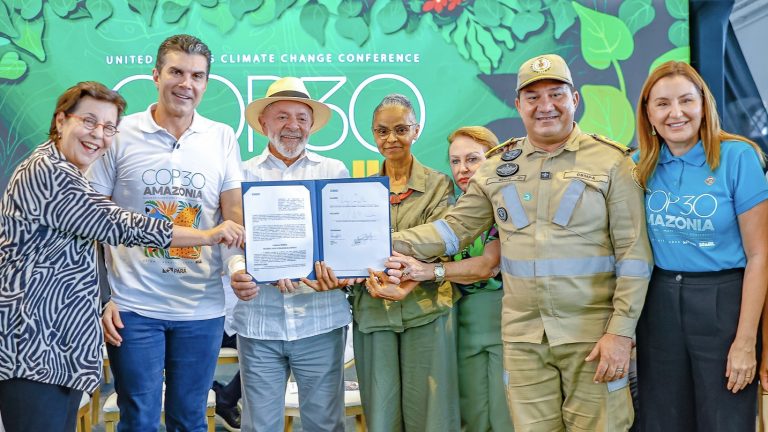
On November 6, COP30 began in Brazil, a United Nations meeting attended by nearly 50 world leaders to address the most pressing issues of climate change. The meeting is being held in Belem, a city located in the Amazon, one of the regions most affected and threatened by climate change. Brazilian head of state Luiz Inácio Lula da Silva is hosting a conference that aims to promote an agenda already agreed upon in the Paris Agreement which, according to the president, has not yet been fulfilled by the nearly 195 signatory countries. To this end, the meeting of world leaders will consist of three working groups (climate and nature; energy transition; and review of the Paris Agreement), in addition to a plenary session.

COP30: Climate Course-Correction Or Another Collision Course?

The 30th Conference of the Parties to the UNFCCC (United Nations Framework Convention on Climate Change) will take place in Belém, a remote, underdeveloped, and poor region of the Brazilian Amazon. Delegates from over 190 countries, NGOs, indigenous representatives, and Brazil’s President Lula, alongside COP President André Corrêa do Lago, will all participate in this year’s high-stakes climate negotiations. Missed Targets And Weak Ambition – It’s Now Or Never With 2024 confirmed as the hottest year ever on record, the U.S. withdrawal from the Paris Agreement, and the massive financial shortfalls left by lacklustre negotiations at COP29, this year’s climate talks are pivotal. A 2024 report by the UN revealed that current policies put the planet on track to reach a catastrophic 3.1°C warming by 2100

UK Newspapers Publish More Ads For Polluting Products Than Climate Coverage

British national newspapers devoted more than triple the space to advertising polluting industries such as oil, airlines, and sports utility vehicles than they did to covering last year’s United Nations climate talks, according to a new study. Total high-carbon advertising — including for fossil fuel companies, cruises, and banks financing oil and gas – amounted to 5,086 column inches on two key dates during 2024’s COP29 climate conference in Baku, Azerbaijan, relative to 1,745 column inches for the negotiations themselves. With the next round of talks, known as COP30, getting underway in Belém, Brazil, newspapers will likely repeat the pattern, warned Andrew Simms, co-director of the New Weather Institute think tank, which conducted the research.

Tropical Forest Forever Facility Or The Fake Forest Fund?

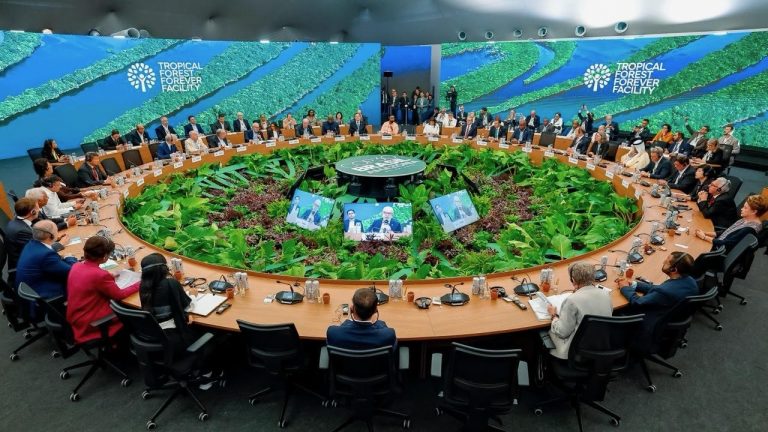
Belem, Brazil - The Global Campaign to Demand Climate Justice (DCJ) and its members and allies from Brazil and across the world reject the new proposal of Tropical Forest Forever Facility presented by the Brazilian government at the Leaders Summit being held in Belem from 6-7 November 2025. TFFF is a false solution that deepens the financialisation and commodification of forests rather than protecting them. Behind the rhetoric of conservation, the TFFF hands control of forest governance to global financial actors and institutions like the World Bank, with a documented history of human and environmental rights violations in so-called “conservation” and “development” projects.

Why We Need To Talk About Adaptation

I’m delighted to be writing today as the co-author of a new report called ‘We need to talk about adaptation’. This report is co-produced by the Climate Majority Project and the Glacier Trust (a leading adaptation-action NGO, mainly active in the global South). What we did together is investigate how much the biggest environmental organisations are talking about (and what they are doing about) climate adaptation now, in 2025. And here is the interesting bit: the same analysis was conducted in 2020. So we were able to compare then with now.   

Look Out For These Eight Big Ag Greenwashing Terms At COP30

Food and agriculture will be under the spotlight at the upcoming round of global climate negotiations in northern Brazil. Representatives from nearly every nation will gather from 6-21 November in Belém, a regional capital and gateway to the Amazon, with most countries far off target to deliver deep cuts to carbon emissions — the only way to halt the worst impacts of catastrophic climate change. Some food and climate groups hope this thirtieth annual Conference of the Parties (called COP30) summit can be a game changer for reforming food systems, which emit around a third of all a third of all greenhouse gases. After all, Brazil — which holds the presidency of COP30 — has a reputation for skilled diplomacy, and has made agriculture objective number three on the conference agenda.

Climate Change Sets Workers’ Feet On Fire

This summer, there were days in tropical cities when it was unbearable to walk out in the sunlight. In Mango, Togo, for instance, the temperature soared to 44°C in March and April. Heat maps depict a world on fire, red hot flames licking the planet from the equator outwards. If the air temperature is around 44°C, then the temperature of asphalt and concrete surfaces can exceed 60°C. Since second-degree burns occur in less than five seconds at 60°C, those exposed to that heat are liable to burn their skin. Walking the streets of these burning cities is hard enough with shoes – imagine what it must be like for the millions of people who lack appropriate footwear but must work outdoors during the hottest parts of the day.

Carbon Dioxide Levels Rose Record Amount In 2024

The level of carbon dioxide in the atmosphere rose by the largest amount ever recorded in 2024, the UN has reported, as researchers warn of the dangers of feedback loops that are pushing the climate crisis to new heights and many global powers do nothing to mitigate emissions. According to the latest bulletin by the UN’s World Meteorological Organization (WMO), the global average concentration of carbon dioxide in the atmosphere increased by 3.5 parts per million between 2023 and 2024. This is the highest single-year increase since modern records began in 1957.

Brazil’s Co-Ops Have Big Asks Ahead Of COP30

With the UN Climate Change Conference (COP30) taking place in Belém, Brazil, in November, the country’s co-op movement is trying to boost its presence in climate discussions and reaffirm its commitment to sustainable development. Co-ops are key players in Brazil, accounting for 75% of wheat, 55% of coffee, 53% of corn, 52% of soybeans, 50% of pigs, 46% of milk and 43% of beans produced. The nation’s 4,500 co-ops represent 23 million members. In March, the Brazilian Cooperative Organisation (OCB) published a COP30 Manifesto, after a series of conversations with member organisations and co-op leaders which started at the 15th Brazilian Cooperative Congress in 2024.

China Announces Up To 10% Reduction In Greenhouse Gas Emissions By 2035

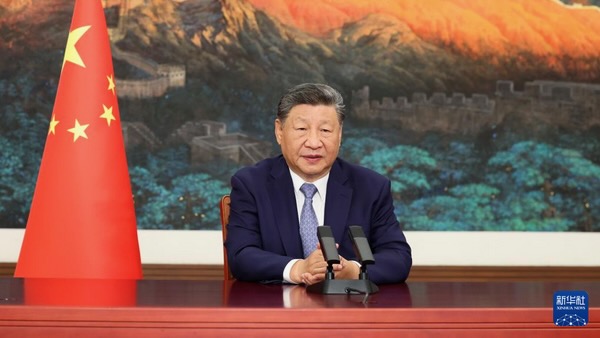
China declared it will voluntarily reduce its economy-wide greenhouse gas emissions by 7% to 10% from its peak level by 2035, in its attempts to fulfill the requirements of the Paris Agreement. It asked other countries to also “step up actions to realize the beautiful vision of harmony between man and nature and preserve planet earth.” The announcement was made by Chinese President Xi Jinping during his virtual address to the United Nations Climate Summit, which was held alongside the ongoing UNGA summit in New York on Wednesday, September 24. The summit was hosted by UN Secretary General António Guterres along with Brazilian President Luis Inacio Lula da Silva. Brazil is the host of the next COP30 conference in November.

Brazil’s Indigenous Peoples Present Climate Demands Ahead Of COP30

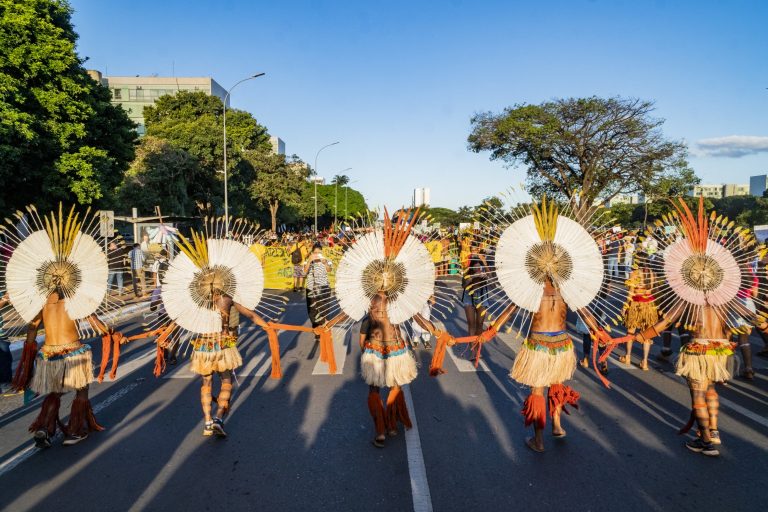
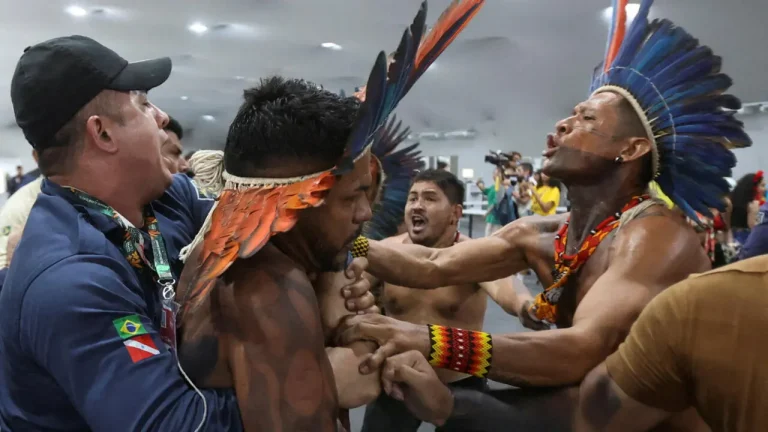
In a powerful call to action ahead of the UN Climate Conference (COP30) in Belém this November, a coalition of more than 300 Indigenous peoples from across Brazil has presented a sweeping set of demands for the country’s updated climate commitments, insisting that the demarcation and protection of Indigenous territories must be formally recognized as a central pillar of Brazil’s Nationally Determined Contribution (NDC) under the Paris Agreement. The 19-page declaration, signed by the Articulação dos Povos Indígenas do Brasil (APIB) and regional Indigenous federations, argues that Indigenous lands are “the last barriers to global collapse.”

Will Brazil Host A Conference That Saves The World’s Climate?

Thirty years have passed since the first Conference of the Parties (COP) of the United Nations Framework Convention on Climate Change (UNFCCC) was held in Berlin (Germany). Since then, successive agreements, targets, and definitions have been ineffective in addressing the two main issues that have lingered at the COP since 1995: first, the responsibility of the rich countries for the climate catastrophe, and second, the need to reduce greenhouse gas emissions. At the COP30 in Belém do Pará (Brazil), the world will once more have to see if these questions are addressed or ignored.

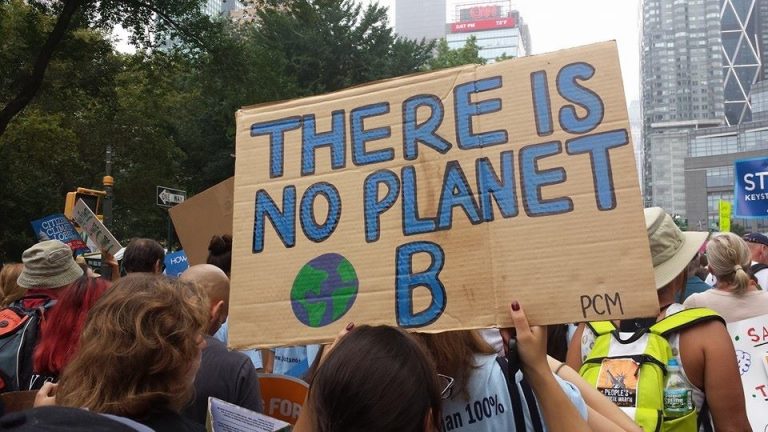
Please Ensure That The Planet Does Not Burn

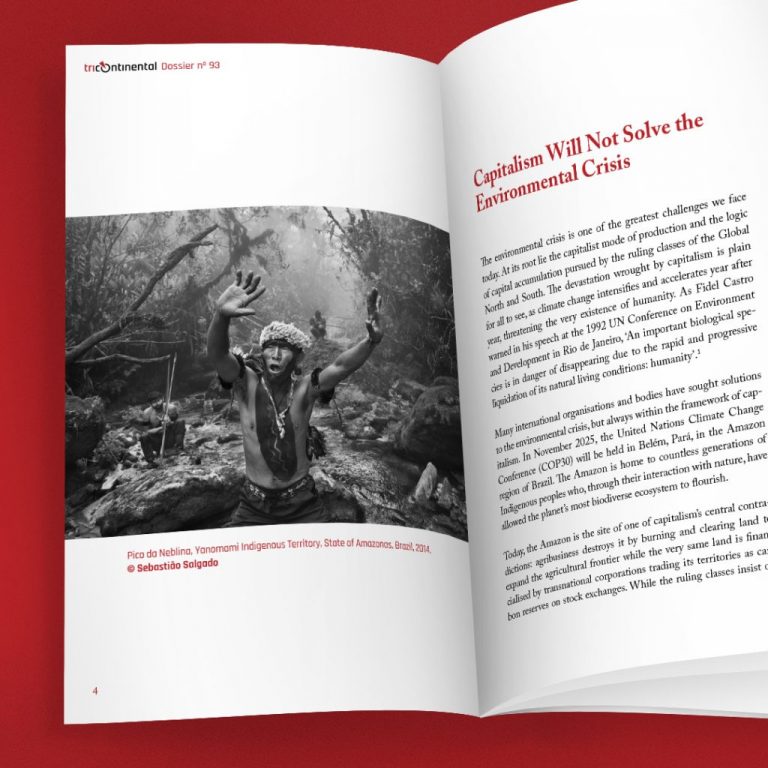
It is important to emphasise the fact that environmental degradation has not been caused by humans in general, but by a certain system of organising society which we call capitalism. The problem with the term Anthropocene (which began to be used first by scientists, then by social scientists) is that it implies that humans – as an undifferentiated whole – have created the ecological crisis we are facing. This subtly downplays the role of the capitalist system and its accompanying class and national divides. However, data shows that humanity is using the equivalent of about 1.7 Earths to sustain our current consumption levels.
assetto corsa mods

Urgent End Of Year Fundraising Campaign

Online donations are back! Keep independent media alive. 

Due to the attacks on our fiscal sponsor, we were unable to raise funds online for nearly two years.  As the bills pile up, your help is needed now to cover the monthly costs of operating Popular Resistance.

Urgent End Of Year Fundraising Campaign

Online donations are back! 

Keep independent media alive. 

Due to the attacks on our fiscal sponsor, we were unable to raise funds online for nearly two years.  As the bills pile up, your help is needed now to cover the monthly costs of operating Popular Resistance.

Sign Up To Our Daily Digest

Independent media outlets are being suppressed and dropped by corporations like Google, Facebook and Twitter. Sign up for our daily email digest before it’s too late so you don’t miss the latest movement news.