Skip to content

Fossil Fuels

Proposed EPA Cuts Further Imperil Environmental Protections In Cash-Strapped States

Massive cuts at the U.S. Environmental Protection Agency (EPA) have hampered state-level regulators’ ability to rein in pollution, according to a new report. And now, with the Trump administration pushing for even deeper cuts at the agency in 2026, many states across the country may be in a dire position. “If EPA’s capacity to do its job is further diminished, how prepared are our states to shoulder more responsibility for protecting us from these threats? Unfortunately, not well,” Jen Duggan, executive director of the Environmental Integrity Project (EIP), the nonprofit behind the report, said in a Wednesday press conference on the findings.

The Koch Network Is Pushing Trump To Accelerate AI

A political group created by oil and gas billionaire Charles Koch earlier this year wrote to a branch of the U.S. government making requests about artificial intelligence. “To seize the moment and ensure that AI can meet its true promise and potential,” it argued in March to the National Coordination Office, a federal body tasked by Donald Trump at the time with developing an AI Action Plan, the administration should “clear the red tape” preventing “energy innovators” from supplying the massive amounts of electricity required to power new AI data centers across the country.

Exxon’s Next Supreme Court Play

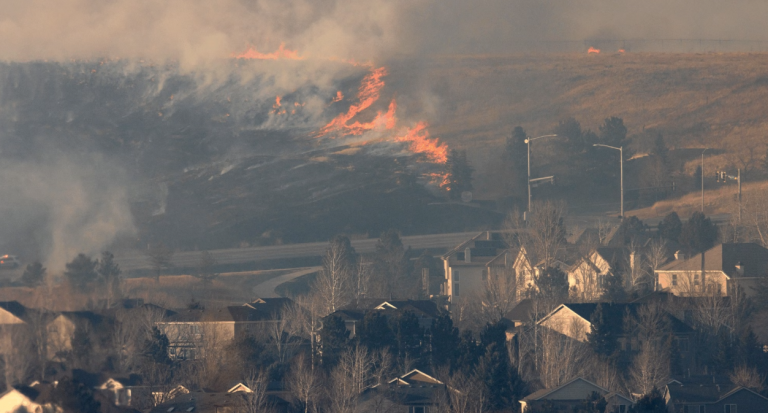
Facing a growing number of lawsuits that could hold them liable for billions of dollars in climate damages, oil companies for the fifth time in three years are asking the U.S. Supreme Court to stop the cases before they can reach trial. This time, ExxonMobil and Suncor Energy want the justices to overturn a decision of the Colorado Supreme Court, which ruled that a lawsuit brought against the two companies by the city and county of Boulder could move forward earlier this year. The Colorado Supreme Court found that the state law claims against the companies were not preempted by federal law. The potential stakes of the case were brought into sharp focus in 2021, when the Marshall Fire — the most destructive wildfire in Colorado state history — killed two people, burned down more than a thousand homes in Boulder County, and caused at least $2 billion in damages.

Campaigners Disrupt Oil Executive Awards Dinner In London

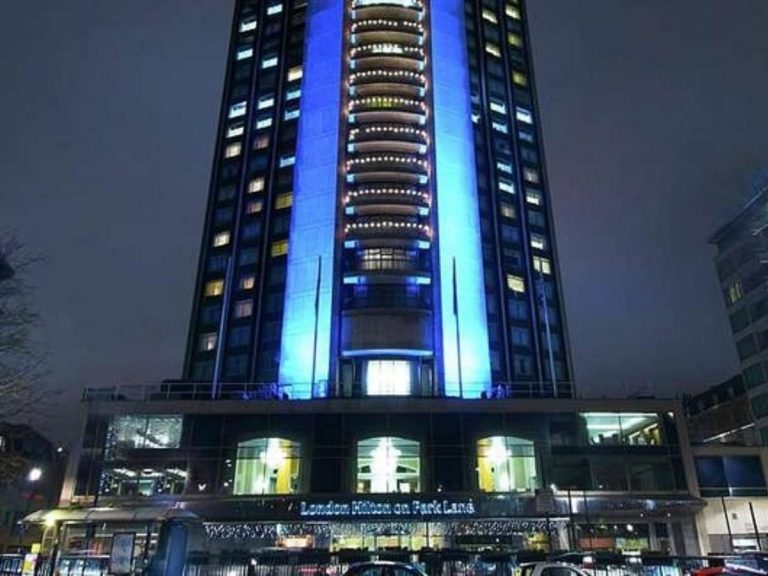
To highlight damage caused by the oil and gas industry, campaigners from Fossil Free London interrupted the World Energy Council Assembly’s dinner at the Hilton in Mayfair on 3 December. Oil and gas executives had gathered to present and receive industry “achievement awards”. Award nominees and attendees included Shell, BP, and Ithaca Energy. Campaigners chanted “no awards for climate criminals”, as they were dragged out of the building by security. The protest comes after devastating flooding has killed at least 1,250 people across much of southeast Asia in recent days.

COP30 Backpedals On Climate Action

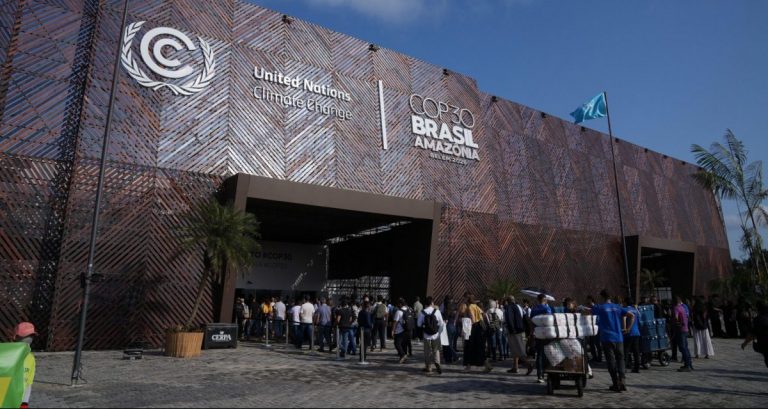
Belem, Brazil—After negotiators at COP30 retreated from meaningful climate action by failing to specifically mention the need to stop using fossil fuels in the final conference documents published Saturday, the disappointment inside the COP30 conference center was as pervasive as the diesel fumes from the generators outside the tent. This year’s United Nations Framework Convention on Climate Change was billed as the “COP of Truth” by host country Brazil, but it could go down in history “as the deadliest talk show ever,” said Harjeet Singh, founding director of the Satat Sampada Climate Foundation in India and strategic advisor to the Fossil Fuel Non-Proliferation Treaty Initiative.

US Oil Executives Flock To COP30

Top American oil and gas producers are using trade groups to gain access to this year’s COP30 climate summit in the absence of an official U.S. delegation, DeSmog can report. ExxonMobil and Chevron — which are among the fossil fuel industry’s biggest greenhouse gas emitters — have sent a combined total of 13 executives to the talks, while both companies have either sponsored events or pavilions at the conference. In addition, Exxon CEO Darren Woods spoke at a number of COP30 side events, including one in Sao Paolo on November 3, where he noted in an interview with Reuters that crude oil and hydrocarbons were “going to play a critical role in everybody’s life for a long time to come”.

Data Centers Are Fueling The Lobbying Industry

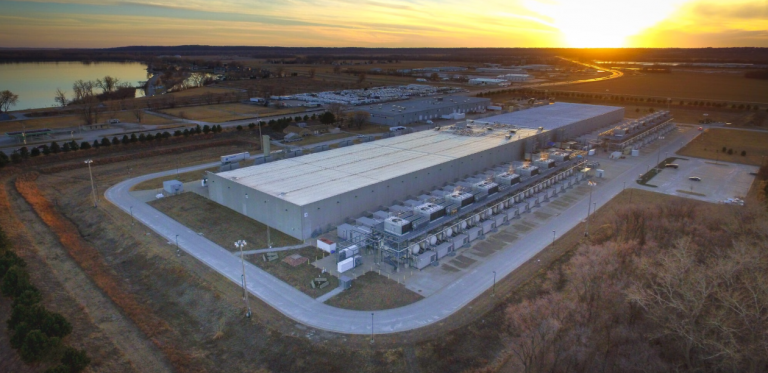
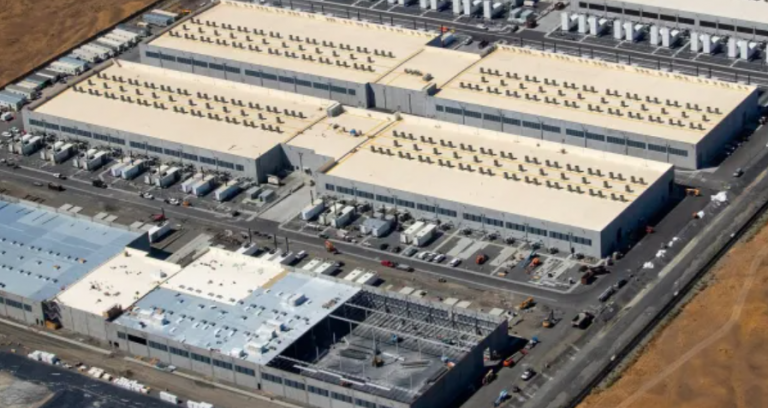
From the farmlands of Northern Virginia to the industrial parks of New Jersey, massive new data centers are popping up across the country to power America’s artificial intelligence revolution. The energy needed to power these data centers is driving national energy usage to record levels, and these costs are falling on American households as soaring electricity consumption has translated into higher home utility bills, as well as health and environmental risks. As the demand for computing power increases, the technology, utility and finance industries have poured millions into supporting the policies and resource allotment they need to expand data centers.

Climate Justice At The University: Integrating Struggles For Liberation

Universities are not simply places for learning and research but are also centers of power and influence that can shape society. This idea about the power of higher education is cemented over and over again in the panel conversation between Fernando Racimo, Associate Professor of Molecular Ecology and Evolution at the University of Copenhagen and Jennie Stephens, Professor of Climate Change at the National University of Ireland Maynooth. They met at the Center for Applied Ecological Thinking at the University of Copenhagen to discuss the state of university institutions in the context of the urgent climate crisis.

Action Alert: Keep Our Highways Safe From Hazardous Materials

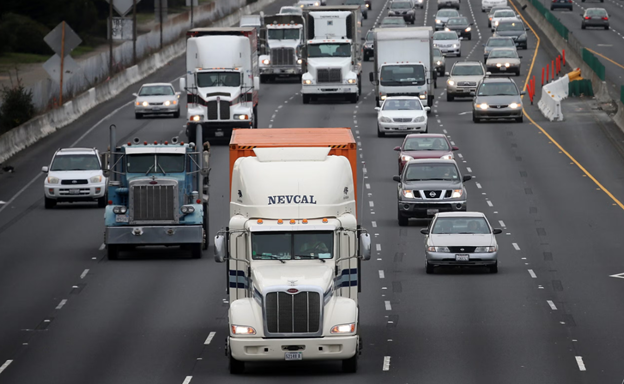
Every day, oil and gas companies haul potentially hazardous materials from oilfields onto our highways without following adequate safety rules, thanks to lack of federal enforcement. This is putting truckers and communities at greater risk of catastrophe. Join Earthjustice and our client, Truckers Movement for Justice, to demand that Department of Transportation (DOT) agencies enforce existing hazardous material rules when it comes to hauling oilfield waste. The waste that is created during the fracking and extraction process is often toxic, radioactive, or highly flammable, but because laws are not properly enforced, the waste is not being classified as hazardous materials.

Major American LNG Exporters Habitually Break Air Pollution Laws

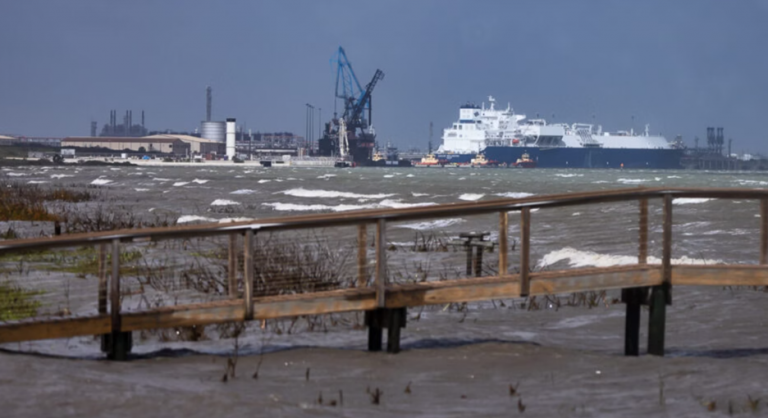
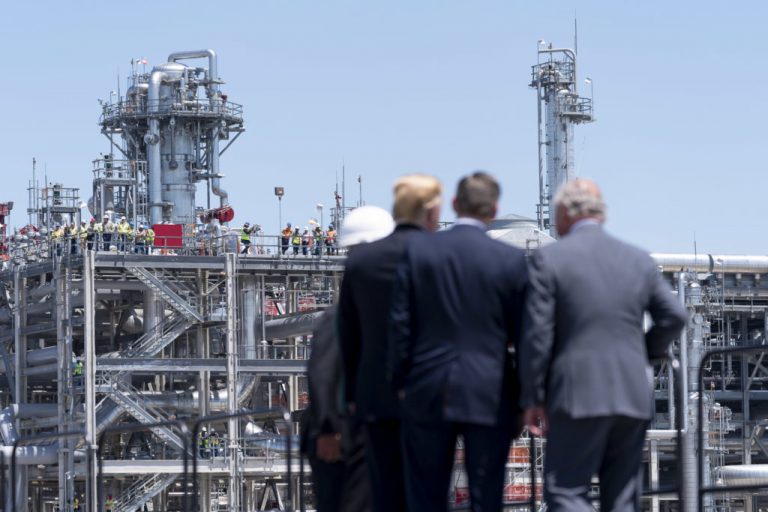
During the past five years, all seven of the fully operational LNG export terminals in the U.S. violated the Clean Air Act, America’s cornerstone law on air pollution, a new report from the Environmental Integrity Project (EIP) finds. The report comes as the Trump administration has moved to accelerate the approval of new export terminals to sell more U.S. LNG around the world, particularly to Asia and Europe. Several major terminals rarely, if ever, managed to spend a full quarter in compliance with environmental laws over the past three years, the report found.

Tacoma Organizations Protest LNG Plant

Tacoma, WA – On October 14, a group of several dozen Tacoma activists gathered in the sunset of Fireman's Park to oppose the expansion of the city’s liquid natural gas (LNG) plant. The event was organized by a broad coalition of Black, brown, indigenous, and other liberation movement groups, led by the of the Coast Salish Water Warriors (WW). Speaker Marilyn Kimmerling with Climate Alliance of the South Sound (CASS) explained that the LNG facility near the Port of Tacoma is both a refinery and storage place. The oil travels from across the country through underground pipelines to the LNG plant at Tacoma’s tide flats.

Oil Pipeline Threatens Catastrophe For Tribes In Michigan – Again

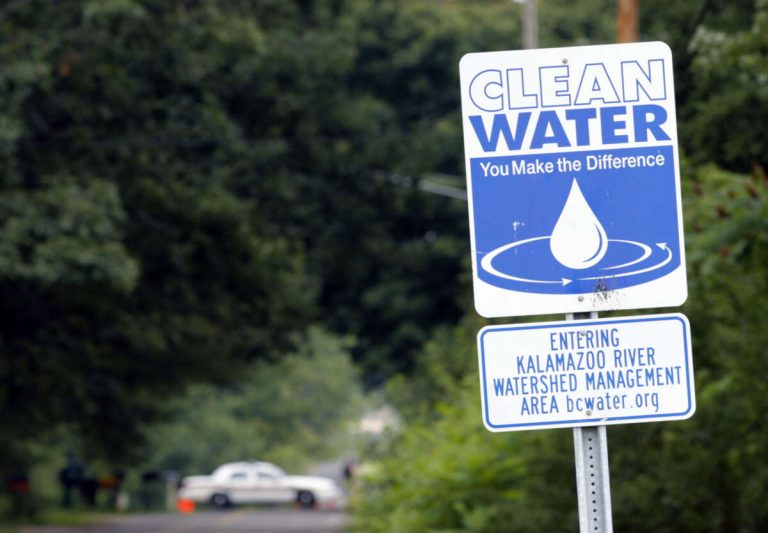
This Indigenous Peoples Day, the approximately 2,700 Ojibwe tribal members of the Bay Mills Indian Community in northern Michigan are marking the holiday amid fear that their region could face another environmental catastrophe like the one that occurred in 2010, when Enbridge’s Line 6B oil pipeline burst and spilled over a million gallons of tar sands crude oil, contaminating the Kalamazoo River and over 40 miles in its watershed. Today, the community is afraid that an even more potentially devastating event is looming: a future rupture of another Enbridge relic, the antiquated 72-year-old Line 5 pipeline, which originates and ends in Canada but travels across Wisconsin and Michigan, and crucially, through the Great Lakes under the Straits of Mackinac.

On Louisiana’s Gulf Coast, Residents Fume As Insurers Hike Rates

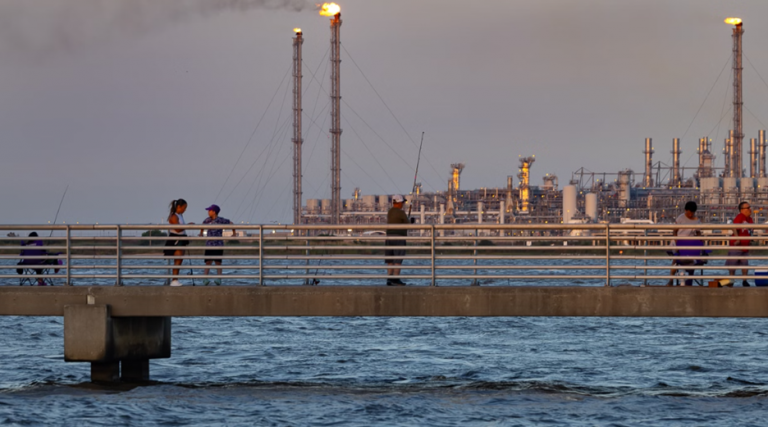
“I’ve never seen it this bad.” Eddie LeJuine has been fishing and shrimping along the southwestern coast of Louisiana for about four decades. The garrulous 62-year-old can talk for hours about the best fishing spots and the quiet moments at dusk when the ospreys glide through the marshes. He’s raised a family in Cameron Parish, the heel of the boot, as the state is known, with five kids and 10 grandchildren, one of whom just joined the local sheriff’s office. But his life and livelihood have been upended in recent years by the proliferation of liquefied natural gas (LNG) terminals in the region — once the largest producer of seafood in the entire country. The LNG activity has devastated the environment and polluted the water, leading to significant declines in catches for fishermen.

As Trump Crushes Climate Efforts, Local Projects Persevere

Standing before the United Nations last week, U.S. President Donald Trump unleashed long-held animosity for the body dating back decades to when his company was apparently rejected for a renovations gig. Trump swore he would have delivered mahogany walls and marble floors to the tower. And now look at the state of the place, he grumbled. “You walk on terrazzo. Do you notice that?” Something far worse than composite flooring is in store for nations that fail to rally to Trump’s hypernationalism, anti-immigrant fervor, and fawning embrace of fossil fuels. “Your countries are going to hell,” he said, apparently addressing his comments primarily to the “English-speaking world.”

Renewables Are A Global Economic Engine, Not A Culture War Threat

Alberta Premier Danielle Smith boasted in June that a private sector proponent for a new bitumen pipeline to British Columbia’s coast would come forward “within weeks.” Three months have passed and exactly zero companies have bet their own money to back up the pipeline hype constantly coming from Smith.  Prime Minister Mark Carney announced the first tranche of infrastructure projects to be fast tracked by the federal government, which also conspicuously included no bitumen pipelines. What gives? It is almost as if the oil industry does not share the giddy enthusiasm of the Alberta government for somehow doubling the province’s heavy oil production. Perhaps companies have been reading recent news, which has not been good for those still believing that oil prices and demand would justify billions in long-term investments.
assetto corsa mods

Urgent End Of Year Fundraising Campaign

Online donations are back! Keep independent media alive. 

Due to the attacks on our fiscal sponsor, we were unable to raise funds online for nearly two years.  As the bills pile up, your help is needed now to cover the monthly costs of operating Popular Resistance.

Urgent End Of Year Fundraising Campaign

Online donations are back! 

Keep independent media alive. 

Due to the attacks on our fiscal sponsor, we were unable to raise funds online for nearly two years.  As the bills pile up, your help is needed now to cover the monthly costs of operating Popular Resistance.

Sign Up To Our Daily Digest

Independent media outlets are being suppressed and dropped by corporations like Google, Facebook and Twitter. Sign up for our daily email digest before it’s too late so you don’t miss the latest movement news.