Skip to content

Pan Africanism

Agroecology Is A Form Of Resistance And Decolonization

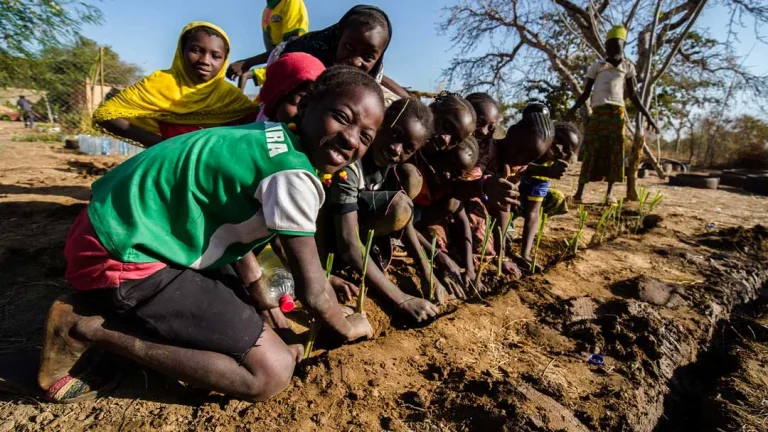
In Burkina Faso, agroecology flourishes as an act of resistance. In a country where more than 80% of the active population makes their living off agriculture, peasant movements and social organizations have defended the production of healthy food and food self-sufficiency as a path to liberation from the wounds left by French neocolonialism. Leading this effort is the Yelemani Association, founded in 2009 by Blandine Sankara, sister of revolutionary leader and former president Thomas Sankara, who governed the country from 1983 to 1987, when he was assassinated.

Inalienable Right Of Africans, People Of African Descent To Reparations

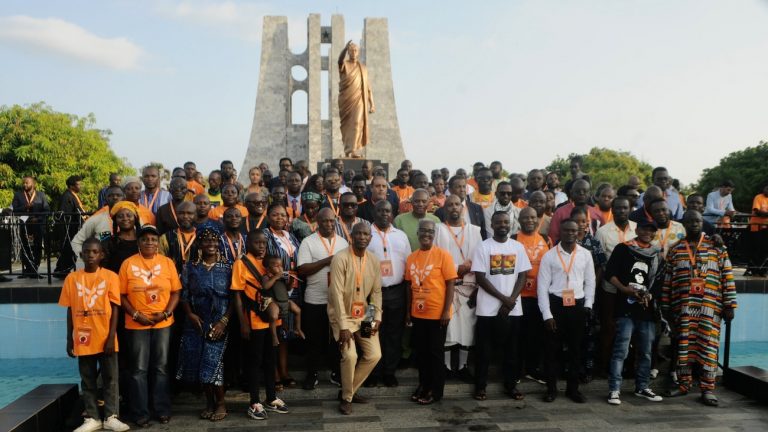
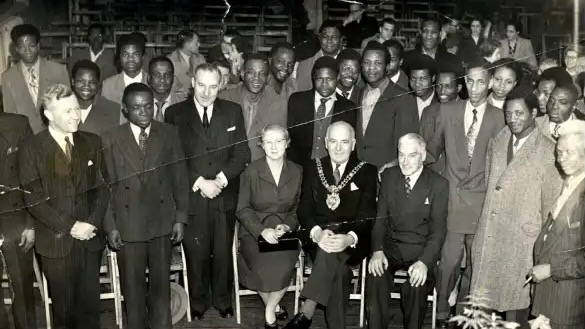
Asserting the “inalienable right of Africans and people of African descent to full reparations” for “slavery, colonialism, apartheid, and systemic exploitation”, an international Pan-African conference on November 18 and 19 adopted the Accra Declaration on Reparatory Justice. Mandating the establishment of a “Pan-African Reparatory Justice Coordinating Committee” and laying out the next steps to be taken, the Accra declaration signalled “a new era of coordinated global action on reparatory justice,” said the Pan-African Progressive Front (PPF). A global platform undertaking research, advocacy, and grassroots mobilization to strengthen the Pan-African movement, the PPF organized this event to commemorate the 80th anniversary of the historic 5th Pan-African Congress in October 1945 in Manchester, England.

Burkina Faso Is Moving Towards Self-Sufficiency In Food Production

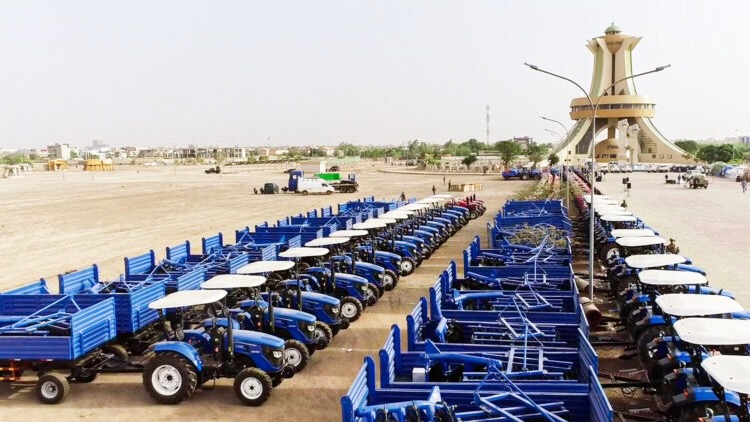
Dependence on foreign aid, political instability, chronic poverty, and the effects of climate change are among the obstacles preventing Burkina Faso from achieving its longed-for food sovereignty. Currently, about 80% of the population of the Sahelian nation is involved in agricultural activity, which accounts for a third of the GDP. Even so, the country still imports more than 200,000 tons of rice per year. In response to this challenge, President Ibrahim Traoré’s government launched the so-called Agricultural Offensive in 2023, which has been revolutionizing the rural environment and serving as a model for the continent.

The Need For Revolutionary Pan-Africanism

October 2025 marks eighty years since the historic Fifth Pan-African Congress convened in Manchester, United Kingdom, in 1945. This congress became a revolutionary turning point in the global struggle against colonialism and imperialism. It brought together a remarkable group of African and Caribbean thinkers, workers, trade unionists, and political leaders, including Ghanaian leader Kwame Nkrumah, Caribbean-born US-based communist leader George Padmore, Trinidadian historian CLR James, Kenyan freedom fighter Jomo Kenyatta, Jamaican Pan-Africanist Amy Ashwood Garvey, and ITA Wallace-Johnson, who collectively articulated a new vision of African liberation and self-determination.

Repoliticizing A Generation

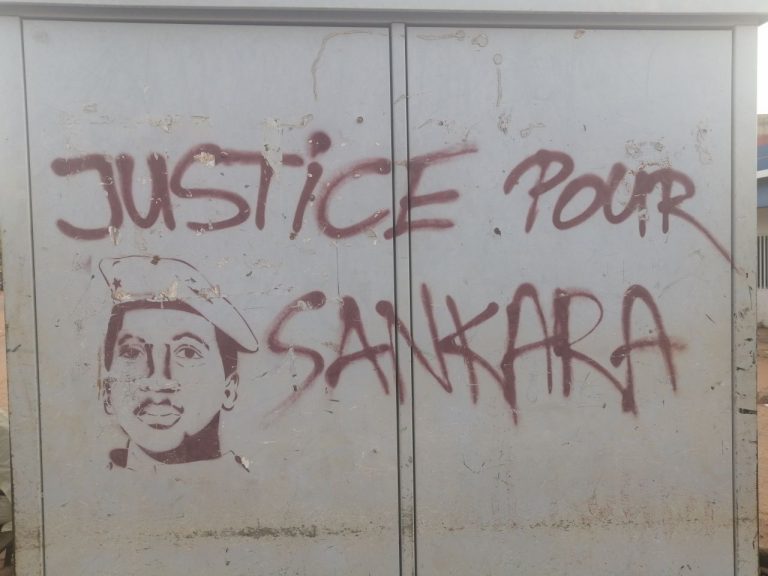
Yesterday marked the 38th anniversary of the assassination of Thomas Sankara, who, on October 15, 1987, was killed alongside twelve of his comrades during a coup led by Blaise Compaoré. Sankara’s brief but transformative presidency (1983–1987) reoriented Burkina Faso’s political economy toward self-reliance, gender equality, ecological stewardship, and non-alignment in global affairs. For more than three decades, Aziz Salmone Fall, a pan-African activist, political scientist, and coordinator of the International Campaign Justice for Sankara (ICJS), has worked with Sankara’s family, Burkinabè activists, and international allies to demand truth and accountability.

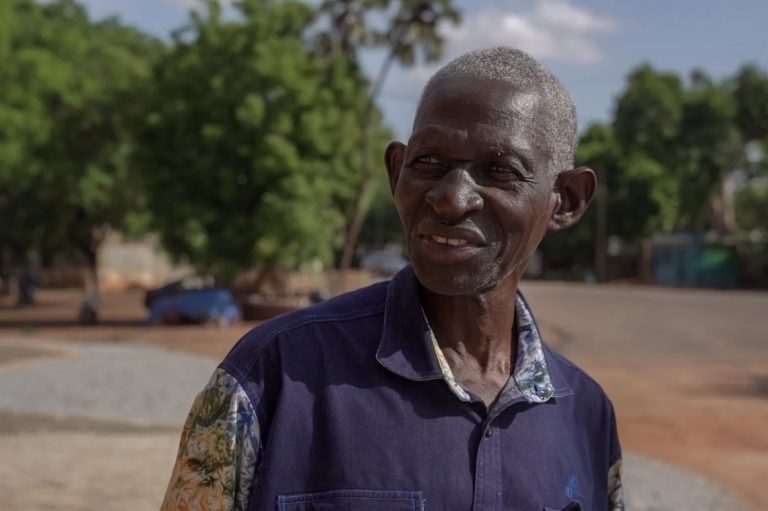
Brother Of Pan-Africanist Leader Thomas Sankara Grateful For Traore

We’re standing in front of the Thomas Sankara Memorial, in Ouagadougou, Burkina Faso’s capital. Inaugurated on May 17 in the presence of various African heads of state and public figures, the site symbolizes a collective desire to preserve the legacy of the Burkinabé pan-Africanist leader Thomas Sankara and his 12 comrades who were assassinated in the 1987 coup d’état. The massacre, orchestrated by Sankara’s then-ally Blaise Compaoré – who became president and ruled until 2014 with support from France – interrupted a wave of transformative reforms meant to eliminate the scars of neocolonialism in the Sahel nation. In just four years, Sankara redistributed land to peasants and raised the literacy rate from 13% in 1983 to 73% in 1987. His radical transformation also extended to public health: 2.5 million children were vaccinated against meningitis, yellow fever, and measles.

Niger’s Revolution Against French Neocolonialism Enters Third Year

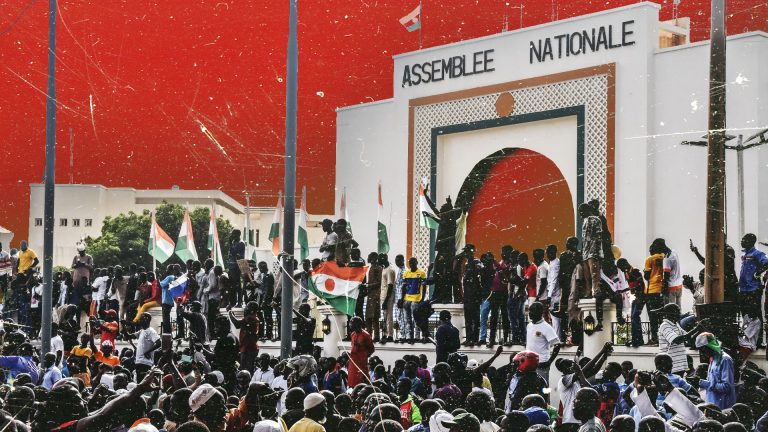
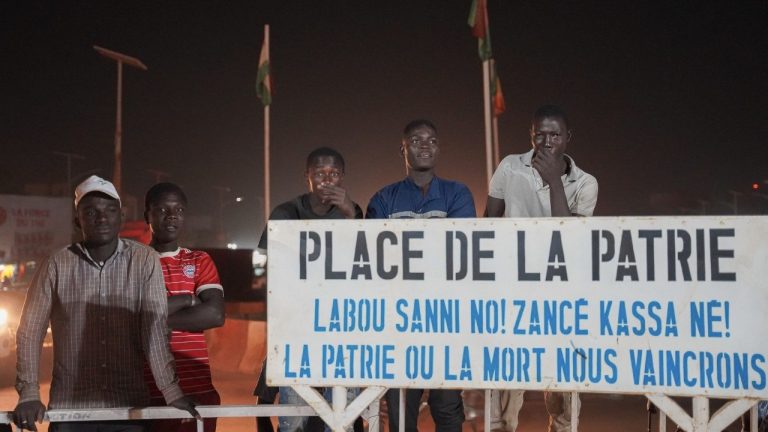
Under siege by France’s monetary strangulation and a war against their state by armed groups, Nigeriens marked the second anniversary of the July 26 revolution against French neocolonialism. The wave of mass protests against French military deployment in its former colonies had already washed away the regimes it had propped up in Mali and Burkina Faso when Niger’s then-president, Mohamad Bazoum, was also toppled in a coup on this date in 2023. With the support of pan-Africanists, the left, and the mass movement protesting against French domination, the coup leader, General Abdourahamane Tchiani, established the National Council for the Safeguard of the Homeland (CNSP) as a military government.

Burkina Faso, Ibrahim Traoré, And The Land Of The Upright People

Since his ascension to power on September 30, 2022, Captain Ibrahim Traoré has become a powerful symbol of Pan-Africanism and a stark contrast to the previous state of affairs in Burkina Faso. His leadership embodies unquestionable patriotism, committed sovereignty, and a clear vision for the future. The emergence of Captain Ibrahim Traoré and a similar style of leadership in the Sahel has reignited confidence in Pan-Africanism and inspired the youth throughout Africa. This beacon of hope has triggered aspirations among citizens across the continent regarding how their countries should be governed. Indeed, due to his unwavering commitment and patriotism, Captain Ibrahim Traoré has become a star, an inspiration, and a champion of anti-imperialism, posing a genuine threat to imperialism in Africa.

Why We Must Reclaim African Liberation Day

Our generation is living through a seismic shift in the struggle for African liberation. We are witnessing the rise of a new revolutionary Pan-Africanism that challenges imperialism not just in words, but in action. On one front, Captain Ibrahim Traoré stands as a living embodiment of our ancestors’ dreams. In the spirit of Kwame Nkrumah, he is leading Burkina Faso through a profound dialectical transformation – reclaiming land and resources, dismantling neo-colonial dependencies, and ensuring the wealth of the soil serves the people of Burkina Faso. It is a rupture with imperialism, a bold step toward a dignified and sovereign Africa.

Terrorism We Are Witnessing Today Comes From Imperialism

The “terrorism we are witnessing today comes from imperialism, and we are fighting it,” Burkina Faso’s charismatic president, 37-year-old Capt. Ibrahim Traoré told Vladimir Putin on May 10. The Russian president in turn assured him, “We are united by a common goal of fighting terrorism and extremism. We will continue to help the Republic in… suppressing the radical (Jihadist) groups that are still active in certain parts of Burkina Faso.” The leaders met in Moscow a day after attending the Victory Day Parade on May 9, commemorating the 80th anniversary of the defeat of Nazi Germany by the Soviet Union in 1945.

It Is Time To Reckon With The Reactionary Rantings Of ADOS/FBA

We revolutionary Africans in the U.S. have to finally confront the internal contradiction that is the ADOS/FBA faction that has emerged and gained legitimacy and influence. Through the inexplicable support of noteworthy political figures like Dr. Cornel West, and despite the glaring, divisive, and deeply offensive contradictions in that movement, ADOS/FBA have become so influential that they have deeply confused and divided the already embattled Black masses with their counter-revolutionary, reactionary and racist ideology. American Descendants of Slavery (ADOS) is a reparations movement that advocates exclusively for Black Americans descended from enslaved people in the U.S.

Sahel Alliance Unveils New Flag; Moves Toward Greater Integration

The Alliance of Sahel States (AES), that includes Mali, Niger, and Burkina Faso, has taken another decisive step toward regional integration following its recent withdrawal from the Economic Community of West African States (ECOWAS). On February 22, the new flag was unveiled and symbolizes the bloc’s growing autonomy as it seeks to redefine its political, economic, and security structures outside the influence of French imperialism and Western neoliberal frameworks. The new flag showcases the AES logo: an orange sun radiating over a sturdy baobab tree. Beneath the tree, a group of silhouetted figures gathers, symbolizing unity.

Trump Or Not, Africa Must Take Charge Of Its Future

For decades, Africa’s relationship with the US has been shaped largely by foreign aid, security partnerships, and economic ties that have fostered dependence rather than mutual benefit. Now, under Trump’s “renewed” leadership, this dynamic is being called into question, especially as his policies begin to impact critical sectors such as health, education, and security, causing unease across the continent. On January 20, Trump announced a 90-day freeze on USAID funding, halting essential services and sparking outrage across the world.

Sahel States Exit ECOWAS, Launch Regional Passport And Joint Military

Just a year ago, on January 28, 2024, the military leaders of Burkina Faso, Mali, and Niger publicly declared their intent to withdraw from the regional economic bloc. This announcement was a historic point in the Sahel’s political shift, as the three countries continue to push for sovereignty, regional security, and economic autonomy. The withdrawal took effect on January 29, 2025, as confirmed by ECOWAS. On Tuesday, January 28, 2025, the streets of Ouagadougou, Burkina Faso, came alive with celebration as the Alliance of Sahel States (AES) marked the first anniversary of their historic decision to leave the Economic Community of West African States (ECOWAS).

A New Military Strategy Of French Neo-Colonialism In Africa

In his New Year’s address, Alassane Ouattara, president of Ivory Coast since 2010 when he took power with the aid of a French military intervention, announced “we have decided on the coordinated and organized withdrawal of French forces” from the country. However, his address made no mention of terminating the 1961 military agreements with France. These “agreements are at the root of the problem. As long as these agreements exist, France will be able to use them to carry out military maneuvers or intervene at the request of its servants in power in Ivory Coast,” General Secretary of the Revolutionary Communist Party of Ivory Coast (PCRCI), Achy Ekissi, told Peoples Dispatch.
assetto corsa mods

Urgent End Of Year Fundraising Campaign

Online donations are back! Keep independent media alive. 

Due to the attacks on our fiscal sponsor, we were unable to raise funds online for nearly two years.  As the bills pile up, your help is needed now to cover the monthly costs of operating Popular Resistance.

Urgent End Of Year Fundraising Campaign

Online donations are back! 

Keep independent media alive. 

Due to the attacks on our fiscal sponsor, we were unable to raise funds online for nearly two years.  As the bills pile up, your help is needed now to cover the monthly costs of operating Popular Resistance.

Sign Up To Our Daily Digest

Independent media outlets are being suppressed and dropped by corporations like Google, Facebook and Twitter. Sign up for our daily email digest before it’s too late so you don’t miss the latest movement news.