The RAD-ical Shifts To Public Housing
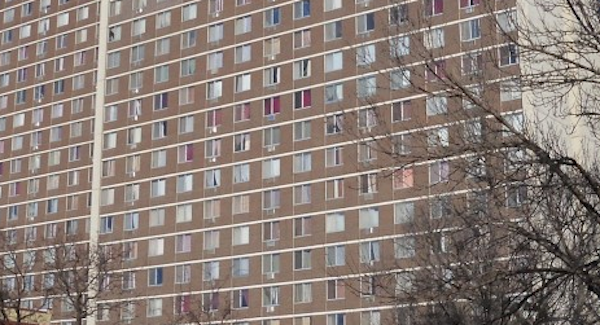
Traditional public housing is out of favor and substantially out of funds. It’s bureaucratic, concentrates the very poor, and is literally crumbling due to a huge backlog of deferred maintenance. Yet despite real catastrophes—such as Chicago’s bleak, crime-ridden Robert Taylor Homes, dynamited over a decade ago—public housing provides low-rent apartments to some 2.2 million people, and much of it is reasonably well run by local authorities.
For half a century, presidents, legislators and housing developers have sought alternatives, involving supposedly more efficient private market incentives. However, these alternatives, too, have been far from scandal-free. The Johnson-era Section 236 program (named for part of the housing code) gave private developers tax benefits and direct payments to build low-rent housing, underwritten by subsidized thirty-year mortgages. But then, as the mortgages started being paid off in the 1990s, many developers kicked out poor tenants and converted the buildings to middle-class and even luxury apartments—taking low-rent units that had been built and maintained with taxpayer money and removing them from the pool of affordable housing.