Skip to content

West Asia

How Eighty Years Of US Aggression Finally Broke Syria And Why

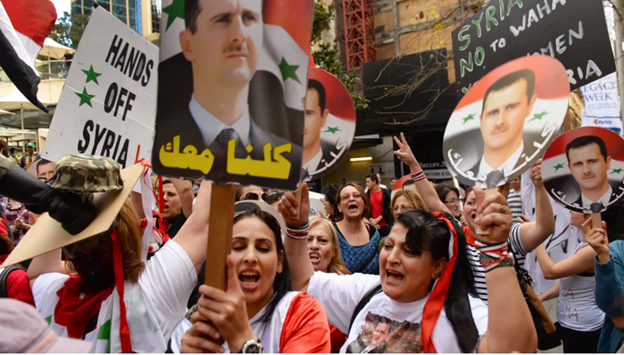
The Syrian government under Bashar Al-Assad was so successfully demonized by Western imperialist media and governments that many celebrated when Assad was overthrown last December, even though the new puppet government was led by the extremist Al Nusra Front, an Al Qaeda terrorist group. Now, Syria is balkanized and the government is implementing forced displacement and ethnic cleansing. Clearing the FOG speaks with Dan Kovalik, co-author with Jeremy Kuzmarov of "Syria: Anatomy of Regime Change," about the long history of US interference in Syria, dating back to the 1946 coup, how the recent coup appeared to happen so rapidly and the current situation in Syria, as well as the impact of these events on the region.
US Issues ‘Final Warning’ To Baghdad Over Iraqi Resistance Factions

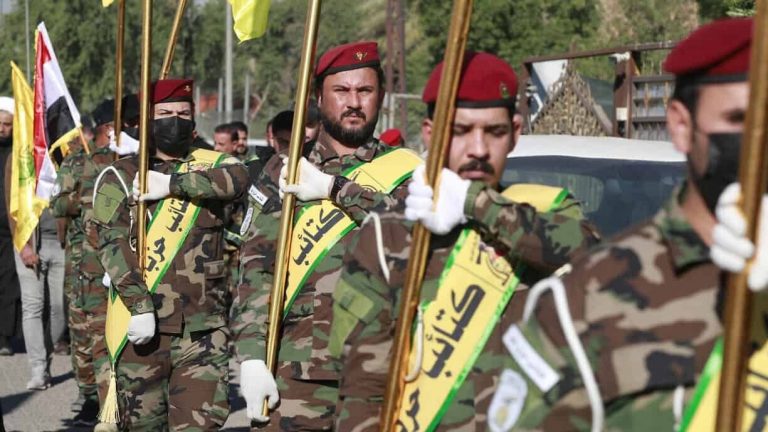
The US has issued its “final” and “most serious” warning to Iraq regarding the Iran-linked resistance factions in the country, according to Iraqi Defense Minister Thabit al-Abbasi. Abbasi said in an interview over the weekend that Washington’s latest message “concerns armed factions and includes a direct threat in the event that those factions carry out any operations in response to what Washington intends to do in the region near Iraq in the coming days.” No further details were provided on what exactly these US operations would entail. The minister said the message was relayed during a call with US Secretary of War Pete Hegseth. Hegseth ended the call by saying "This is your final warning... and you know very well how the current administration will respond," Abbasi went on to say.

Israel’s Qatar Attack Rattles The Gulf

The Israeli attack on Qatar on Sept. 9 has undermined the very foundations of the security arrangement between the United States and the Gulf monarchies. Since the 1980’s Iran-Iraq war, Washington conditioned its military commitment to the region on Gulf rulers granting the U.S. greater access to their territories — even if that meant compromising sovereignty. In return, the Gulf countries expected U.S. protection against external threats. Rulers poured billions into constructing American military bases, often at their own expense, and tolerated the political risks of inviting foreign troops into their lands. Initially, Gulf regimes were reluctant to display such ties openly, fearing popular opposition, especially during the heyday of Arab nationalism.

Arab-Islamic Leaders Gather In Doha To Reject Israeli ‘Treachery’

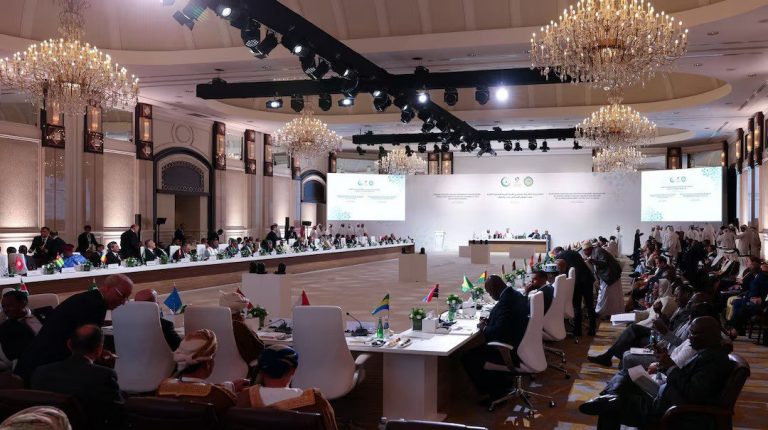
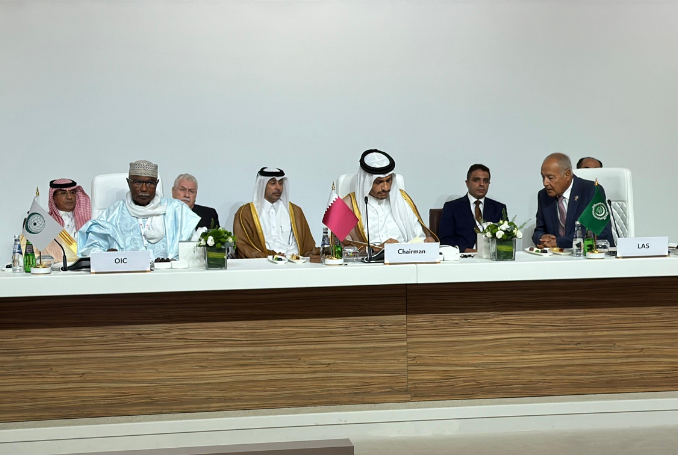
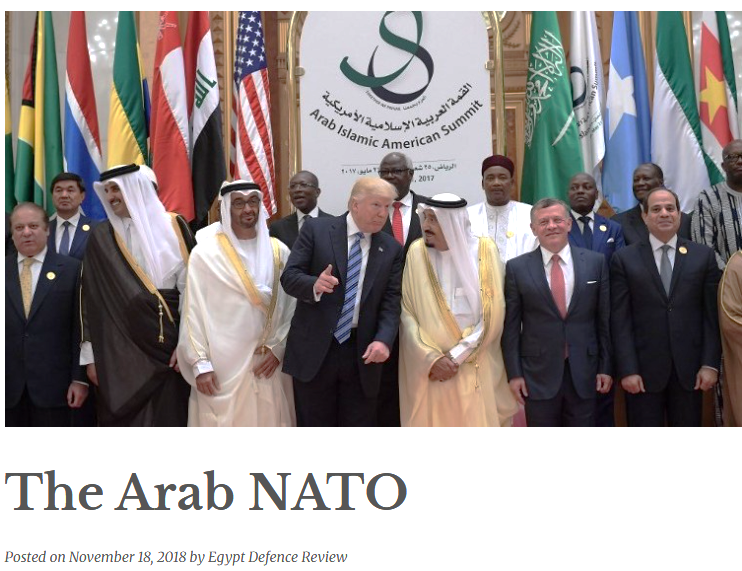
Qatar hosted on 15 September an emergency Arab-Islamic summit aimed at rejecting Israel’s recent attack on Doha, which targeted Hamas leaders as they were meeting to discuss a US ceasefire proposal for Gaza. The summit consisted of members of the Arab League and the Organization of Islamic Cooperation (OIC). Iranian President Masoud Pezeshkian was among several regional leaders who attended the meeting on Monday. “The capital of my country was subjected to a treacherous attack targeting a residence housing families of Hamas leaders and its negotiating delegation,” Qatar’s Emir Tamim bin Hamad Al-Thani said while addressing the summit. Al-Thani said the “terrorist attack” was “cowardly” and “despicable,” adding that Israel’s plans to “impose new realities” on the Arabs were “dangerous,” stressing that these plans “will not pass.”

The Doha Assassination Plot, Emergency Summit, And Trump’s Double-Cross

Last week’s failed assassination attempt of the Palestinian negotiating team in Doha, Qatar, raises critical questions that extend far beyond the attack itself. The crux of the problem lies in three interconnected issues: the increasing use of artificial intelligence (AI) in targeting individuals, the failure, or deliberate negligence, of the US-led air defense system, and Qatar’s vulnerable position as a host to both a major US base and the ceasefire negotiations. The use of AI will be the topic of a future analysis. Meanwhile, the raid on Qatar did not happen in isolation. The skies over Doha are monitored by the American Air Base in Al Udeid, the largest US military installation in the Middle East. This base is not a marginal outpost; it is the forward headquarters for US Central Command, USCENTCOM, overseeing US military operations throughout the Middle East.

Iran Security Chief In Baghdad For Talks On ‘Next Phase’ Of Resistance Axis

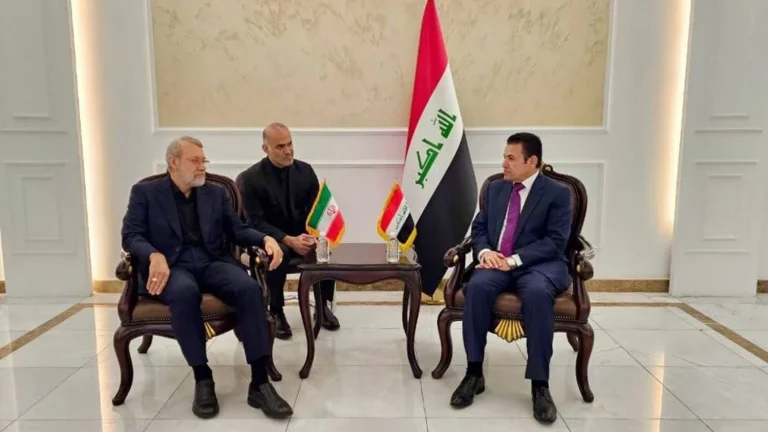
The Secretary-General of Iran's Supreme National Security Council, Ali Larijani, arrived in Baghdad for two days of meetings with Iraqi officials regarding the future of the Axis of Resistance and the political stability of Iraq and the region, Shafaq News Agency reported on 11 August. An informed source told Shafaq that, “Gathering the so-called Axis of Resistance in the region and rearranging its cards, along with Iraq's political role in calming the situation in the region during the next phase, are among the most important files that Larijani brought with him to Baghdad.” The secretary-general “stressed the need to employ tools and redistribute tasks after the withdrawal of US forces from Iraq according to the agreed-upon withdrawal schedule, and to find an official and protocol-based formula for this,” the source added.

Why Ouster Of US Occupation Forces From West Asia Is Key To Lasting Peace

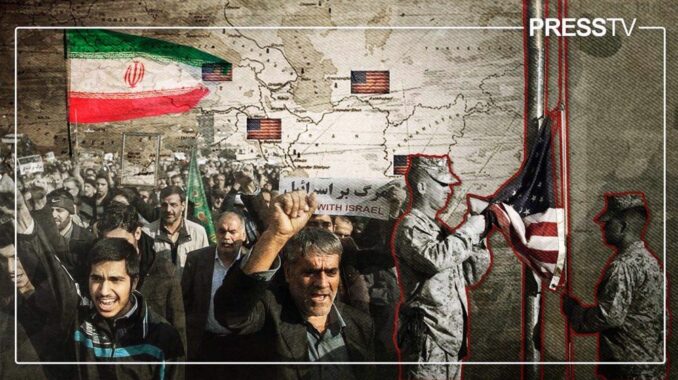
Since entering politics, former real estate tycoon and reality TV star Donald Trump has made a conscious effort to cultivate the image of himself as a peacemaker. He often boasts of avoiding major wars, takes credit for de-escalating global tensions and has even audaciously claimed that he deserves a Nobel Peace Prize! His 2024 campaign mantra, “ending endless wars,” struck a chord with a U.S. public weary of entanglements in West Asia. Yet, this carefully crafted image proved to be a mirage. Far from extinguishing flames, Trump poured gasoline on simmering conflicts.

Everything You Need To Know About War With Iran

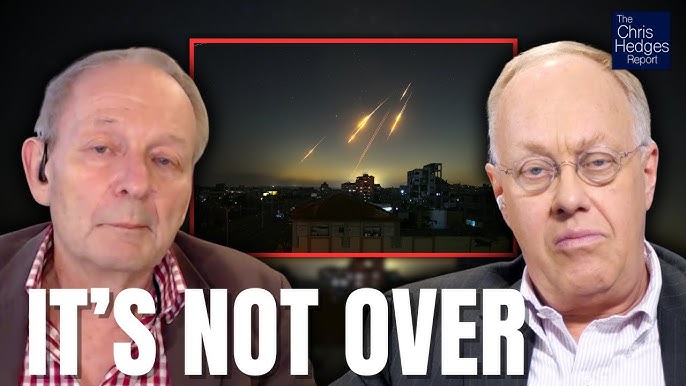
Following attacks on Iran by Israel and the United States, the world held its breath as the prospect of World War III loomed on the horizon. After 12 days of conflict, a ceasefire has brought about new uncertainty for the future. Former British diplomat Alastair Crooke joins host Chris Hedges on this episode of The Chris Hedges Report to make sense of the current situation in the Middle East and what can be expected in the coming weeks or months. Crooke details the lead up to the Israeli attacks, including the use of technology and neighbouring countries that allowed for the element of surprise. Cyber attacks, drones flown in from Azerbaijan and American military software served as crucial elements for the Israeli attacks on Iran.

China, Russia Vow Coordination To Promote Peace In West Asia

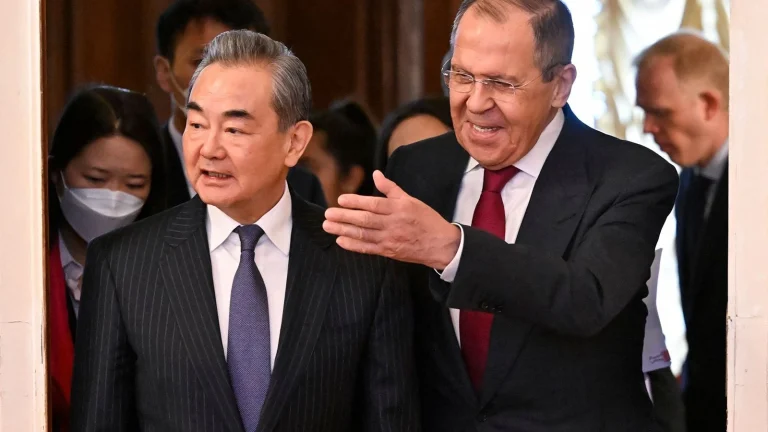
Chinese Foreign Minister Wang Yi told his Russian counterpart on 10 July that Beijing and Moscow should strengthen strategic coordination to promote peace in West Asia. According to a statement by China's Foreign Ministry, Yi said the two countries should push for a diplomatic solution to the Iran nuclear issue during a meeting with Russia's Foreign Minister Sergei Lavrov in Kuala Lumpur. “Peace cannot be achieved through force, and applying pressure won't solve problems.” Dialogue and negotiations were the solution to the conflict, Yi added. The two foreign ministers also discussed China–Russia coordination with the countries comprising the Association of Southeast Asian Nations (ASEAN).

US Army Building New Air Bases, Ammunition Depots For Israel

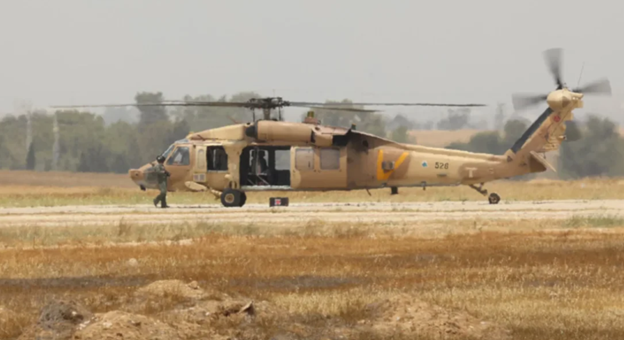
The US Army Corps of Engineers is constructing new military infrastructure for Israel across several bases, including airfields, hangars, and ammunition depots, according to public records reported by Haaretz on 8 July. The current projects total more than $250 million, with future ones expected to exceed $1 billion, based on a call for interested contractors originally scheduled for June but postponed due to Israel's war against Iran. The Israeli news site Haaretz reported on the public documents on Monday. The US Army Corps of Engineers is using contractors to build ammunition depots, refuelling stations, and concrete structures for Israeli military bases.

Riyadh Realigns: Tehran Over Tel Aviv

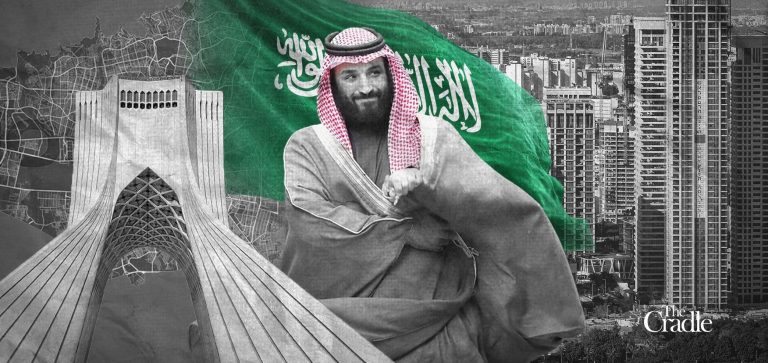
The recent confrontation between Iran and Israel marked a decisive shift in regional power equations, particularly in the Persian Gulf. Iran’s direct and calibrated military response – executed through the Islamic Revolutionary Guard Corps (IRGC) – exposed the strategic vulnerabilities of Tel Aviv and forced Gulf capitals, chiefly Riyadh, to reassess long-standing assumptions about regional security. The Saudi-led recalibration did not emerge in isolation. Years of cumulative political, military, and diplomatic failures under the umbrella of US-Israeli tutelage have pushed Persian Gulf states to seek more viable, non-confrontational security arrangements.

BRICS Demands End To Violence In West Asia

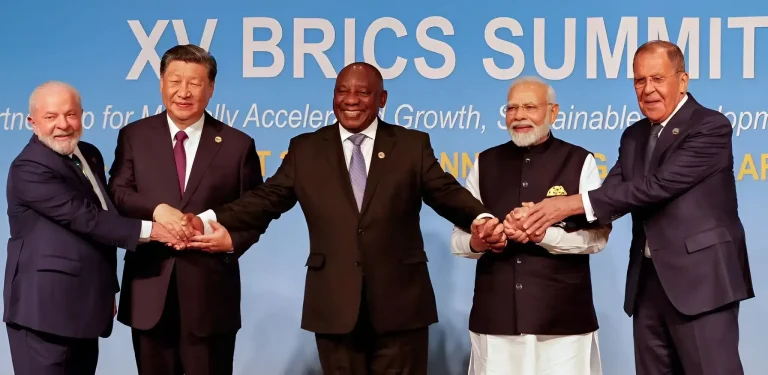
The BRICS, the influential bloc of emerging geopolitical powers, demanded an immediate end to the cycle of violence in West Asia following the recent attacks against Iran. The group also pushed for the establishment of a zone free of nuclear weapons and other weapons of mass destruction in the region as a whole, a crucial measure to ensure long-term stability, The Brazilian government, the current president of the bloc, issued the forceful statement on Tuesday, June 24. The statement responds directly to the recent United States and Israeli military attacks against Iran, events that have dangerously escalated regional tensions.

What The Hell Just Happened In The Middle East You May Ask?

The US/Israel realized: that their regime change plans were not coming to fruition, that the Iranian govt had more support and stronger foundations than they had believed, that Israeli air defense was collapsing/exhausted and that an attrition war of long range strike was going to go badly for Israel. And Trump began to get freaked out over the rising price of oil with the Iranian threat of closing the strait of Hormuz. So they wrapped it up, declared victory, and demanded a ceasefire. Iran agreed because they too have been badly shaken through Israeli covert warfare and their own air defense all but collapsed.

War, Resistance, And The Reunification Of Nation And State In Iran

Something is Happening in Iran. People are not only supporting the war, but they are getting closer to the state. The concept of “nation” has undergone a shift. In recent days, I have seen things I never could have imagined. One of the most powerful images was a viral video: A young woman in Tehran, without hijab, wearing a koufiyeh, singing a deeply patriotic song under Azadi Tower, the symbolic heart of Tehran. This was not just a moment of performative nationalism; it was a statement, a contradiction of the narrative that pits the Iranian people against their state. Social media, once a battleground of polarizing slogans, has become a platform for national unity.

The United States Must Force Israel To End Its War On Iran

Israel’s attack on Iran last week has opened a stark danger — a predictable pattern of escalation ushering in a new phase of the long-standing crises roiling the Middle East region. Certainly Israel has a long history of attacking Iran — including bombing raids; assassinations of political and military leaders as well as nuclear scientists; cyberattacks; assaults on Iranian allies in Syria, Iraq, Lebanon, Yemen, and beyond — and Iran has on occasion struck back. But while it is too soon to know exactly how this latest assault will fully play out, it now holds the prospect of full-scale war between the two strongest military forces in the region, one of them backed by the strongest military power in the world.
assetto corsa mods

Urgent End Of Year Fundraising Campaign

Online donations are back! Keep independent media alive. 

Due to the attacks on our fiscal sponsor, we were unable to raise funds online for nearly two years.  As the bills pile up, your help is needed now to cover the monthly costs of operating Popular Resistance.

Urgent End Of Year Fundraising Campaign

Online donations are back! 

Keep independent media alive. 

Due to the attacks on our fiscal sponsor, we were unable to raise funds online for nearly two years.  As the bills pile up, your help is needed now to cover the monthly costs of operating Popular Resistance.

Sign Up To Our Daily Digest

Independent media outlets are being suppressed and dropped by corporations like Google, Facebook and Twitter. Sign up for our daily email digest before it’s too late so you don’t miss the latest movement news.