Skip to content

Mutual Aid

Mutual Aid Group Strengthens Community, Reframes Problem Solving

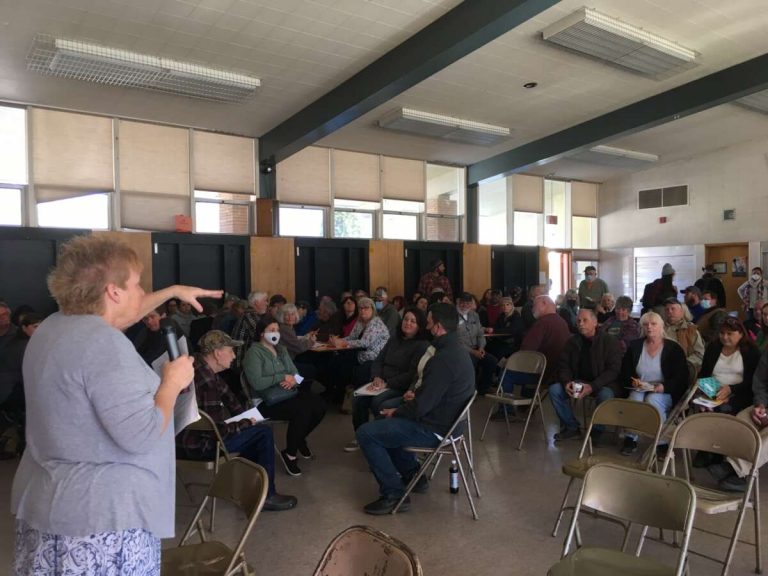
Emily “Kimmy” Kim and Mary Ellen Wood have a shared vision to bring grassroots community networks to the Stanwood-Camano area. In March of this year, the Mutual Aid Assembly of Stanwood-Camano was born to bring that vision to life. Kim said the group has hosted about 10 meetings and several events with a focus on working together to solve problems and learn from each other. “We’ve kind of determined that our broad vision is to build grassroots networks of community care through group problem-solving, decision-making and action,” she said.

Kentucky Organizers Fill The Gaps As SNAP Delays Leave Families In Limbo

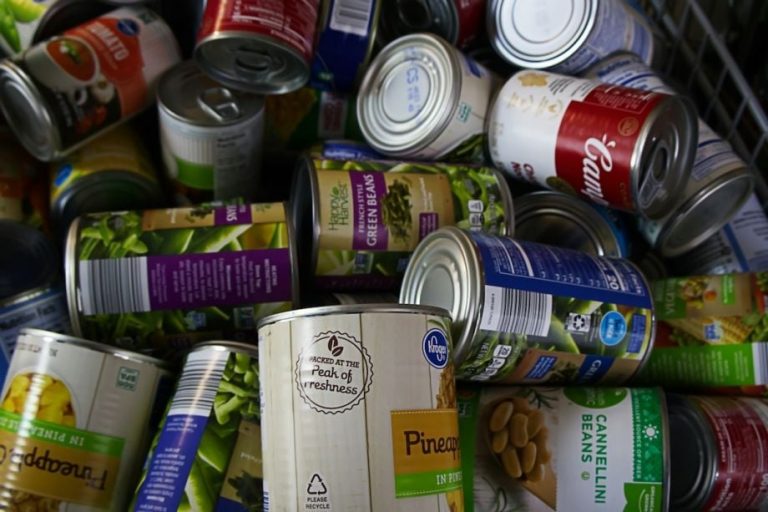
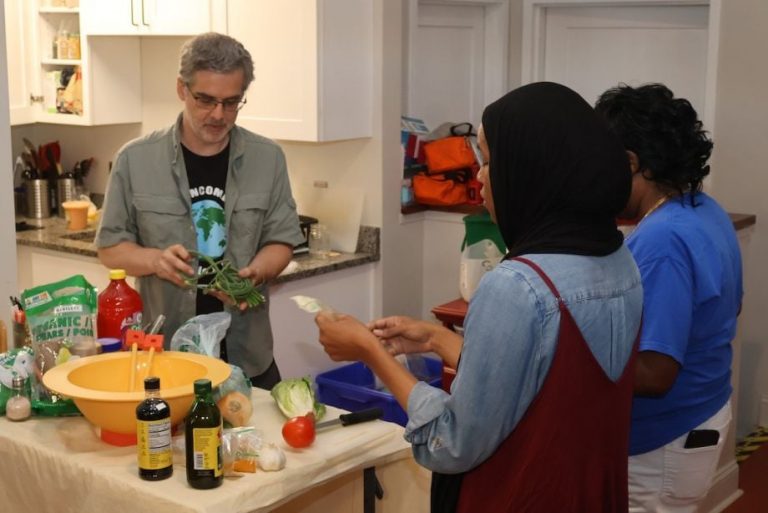
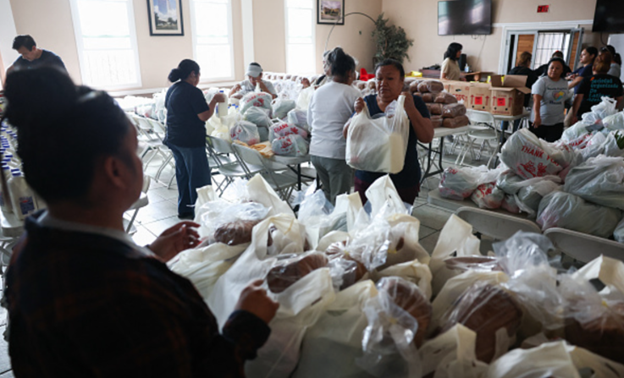
“I was expecting, maybe, four of us?” Willa Johnson remarked, earning a few laughs around the table. She sat among about 20 familiar friends and new faces. Most were residents of Letcher County in southeast Kentucky. All were committed to helping their neighbors through food insecurity amid the federal government shutdown. Two days earlier, Johnson made a post in a new mutual aid Facebook group, ‘Kinfolks Feeding Kinfolks,’ asking for locals to help fill the gap if the shutdown halted food aid benefits. She gave a statement, date, time, location and a plea to leave politics at the door. “After the floods in 2022, we saw the very best of that neighborly love in action.

As SNAP Benefits Dry Up, Philly Organizations Pivot To Meet Needs

Linda James-Rivera says she’s seeing some of the highest levels of food insecurity in her Philadelphia communities since she founded the Northwest Mutual Aid Collective during the pandemic. “I just signed up five families in two days,” James-Rivera says of the group’s free delivery service, providing fresh produce and pantry essentials to seniors, disabled residents and low-income families across Northwest Philly. “That is the first time that has ever happened.” With the government shutdown still underway, she is one of many organizational leaders preparing for Nov. 1, when approximately 42 million citizens across the nation will lose Supplemental Nutrition Assistance Program, or SNAP, food benefits.

Opening Up Space

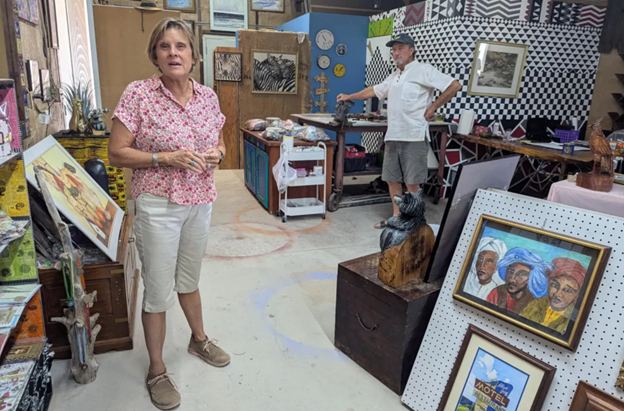
“He said ‘just don’t touch my workshop,’” says Sheurle Klingsmith, smiling at her husband, Kirk. “But then one day, he moved his tools out so we could go ahead.” “That’s not exactly how I remember it,” Kirk laughs good-naturedly. Today, Kirk’s tools are pushed back against the wall, and the rest of the space is filled with tables and chairs, art and art supplies. Paintings hang on every wall, and illustrations, beadwork, fabric art, and even chainsaw art are displayed throughout the room. Gesturing to a black bear carved out of a log done by DC Carvings, Sheurle says: “This gentleman was selling his work on the side of the road, so of course I circled back and asked him if he wanted to display some pieces here.” Her eyes scan the room: “There’s a mountain of creativity and talent in this town, but no place to show it.”

Insurrectionary Utopias Part 1: Ideas Towards A Liberatory Mutual Aid

Despair, grief, and fear color much of our days, often challenging our hopes for the future. These emotions have seeped into daily conversations, media portrayals, and the very fabrics of our lives. Our fragile social bonds in civil society have been pushed to the brink due to ongoing disasters, crises and seeming uncertainty we all face. Despite the beautiful, historic gains made against Power (1), and the inspiring uprisings and rebellions since the turn of the millennium — undermining the very foundations of U.S. historical and systemic oppression — a loss for what-to-do characterizes much of our reflections. Civil society is unraveling due to an unsustainable civilization, the multi-year COVID-19 pandemic, an ongoing climate emergency, and the usurping of 20th century “democratic” institutions by right-wing forces with fascistic dreams.

Resisting Disaster Capitalism Through Mutual Aid In Puerto Rico

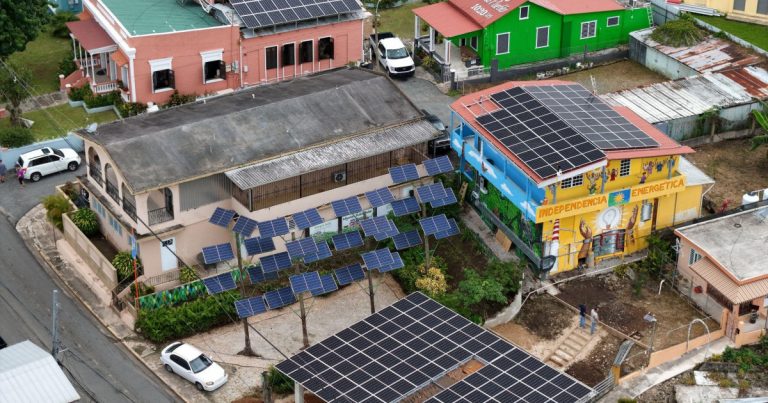
Since  2016, Puerto Rico has faced a complex crisis, when it declared bankruptcy, worsening a fiscal crisis after a decade of recession. In response, Obama signed the PROMESA law, aiming to restructure the debt and enforce fiscal responsibility. It created the Financial Oversight and Management Board (FOMB), a body comprised of seven members appointed by the US President, which can override local laws, blatantly highlighting Puerto Rico's colonial status. In 2017, the Board imposed a ten-year plan of austerity, cutting budgets for healthcare, education, and other vital services. The inability of the government to deal with the economic crisis led to an increase in political distrust.

LA Unites To Provide Mutual Aid For Those Impacted By ICE Raids

At 8 a.m. on July 4, about a dozen people gathered in front of a tamale cart stationed outside an abandoned 99-cent store building in Pasadena, California — some 10 miles outside of Los Angeles. While the tamales were delicious, that wasn’t the only thing drawing out the crowd — they were there for a fundraiser to support 14-year-old Chris Garcia, who started running his mom’s cart after ICE took some of her customers a few weeks earlier. Her business suffered, and she fell behind in bills, so Garcia stepped up.  An hour after the event started, the lowrider car community came cruising and bouncing down the street in support of Garcia. People started buying tamales by the dozens.

One Love Community Fridge Is Feeding People And Changing Lives

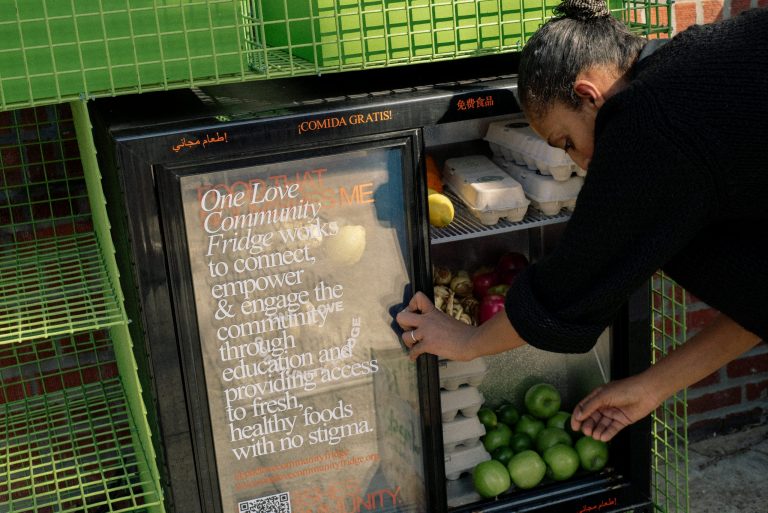
New York City is considered by many to be the greatest city in the world, not only for its stunning skyline, fine dining, cultural exhibits, and rich history, but also for its vibrant community and resilience. In 2020, the city was reeling from COVID-related lockdowns, with many people losing their jobs. Food banks and other social services were overwhelmed. It was then that Asmeret Berhe-Lumax decided to do something. The former fashion and beauty executive decided to set up a community fridge in Brooklyn’s Bed-Stuy community, rallying support from family and friends to keep that one fridge stocked with nutritious food.

Texas Residents Launch Grassroots Efforts For Post-Flood Disaster Relief

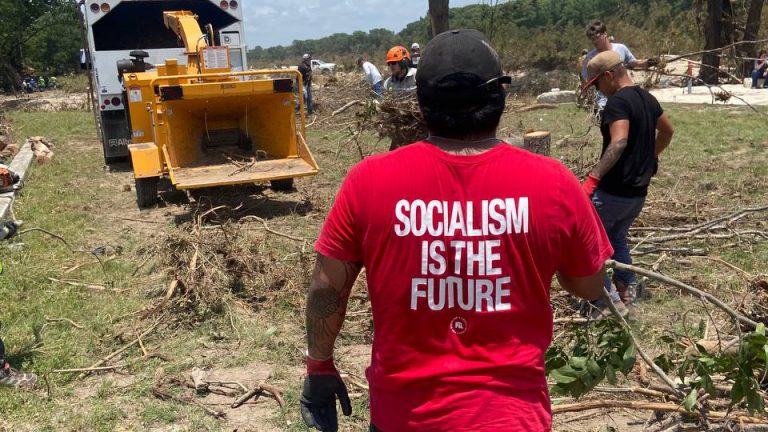
Disastrous flash flooding in Central Texas in the beginning of July left at least 121 people dead. Rescue teams continue to search for the over 170 people still missing. The floods now rank among the deadliest natural disasters for children in the US in recent decades. 36 children lost their lives in Kerr County alone.  Amid the loss of life, many argue that the flood deaths were preventable, with some pointing to the failure of local officials to implement a flood warning system.  The editorial board of the Houston Chronicle published an editorial advocating for systems that would ensure more flood recovery and preparedness, writing “what’s most difficult to process is that these deaths were largely preventable.”

As Fires Consumed California, Small Towns Organized Their Own Defense

If you live in a national forest in California, odds are pretty high that at some point or another you’ve been ordered to evacuate. In Indian Valley, for the first twelve days, many of our residents did indeed evacuate, but a significant number stayed behind. Some residents had livestock to look after and often no solid indication of where they could take their animals that wouldn’t also need to be evacuated soon. With so many towns evacuating at once, some didn’t want to stay in evacuation shelters where the lights would be on all day and night and the likelihood of catching COVID was high.

Systems Are Breaking And That’s Our Opportunity

A few months ago, I reconnected with a friend whom I had worked with on an initiative on ‘the sharing economy’. At the time, we were both ‘Young Global Leaders’ (YGLs) with the World Economic Forum. It was 2013, and we had volunteered our time to bring attention to how new technologies could be used to help everyone have a good life with less ecological impact. Personally, we were imagining a future of peer-to-peer resource sharing, community-based production, and cooperative ownership. Meeting up after years, we laughed that our work had oddly contributed to the World Economic Forum publishing the line that became infamous as a globalist’s dystopian injunction: “You will own nothing and be happy.”

Why We Need A Solidarity Economy Now

As people across the United States face massive cuts to Medicaid, SNAP and other vital programs, many are asking: What happens when the systems we rely on fail us? And what happens when our communities are torn apart by toxic inequality, political fragmentation and declining social trust? The solution may lie in something that humans have been doing throughout our existence: taking care of each other, often without realizing it. Today that’s what some of us call the “solidarity economy.” I first heard the term in late 2008, and I wasn’t impressed. I believe the term I used might have been something like “boutique-y.”

Amid Economic Uncertainty, A ‘Solidarity Economy’ Grows In DC

As tariffs threaten to drive up prices on everything from bananas to backpacks, and fears of a recession loom, many Americans wonder how they’ll continue to afford necessities. According to the Huffington Post, major retailers are already warning that shoppers will see emptier shelves and higher prices, especially for essentials like clothing and school supplies.  ABC News also reported that items such as laptops, toys and coffee could see price hikes. But amid this economic uncertainty, a different system is quietly taking root—one built not on profit but on cooperation.

Feeling Abandoned, Community Contaminated By Toxic Train Decides ‘We Only Have Ourselves’

What happens to people in the months and years after a corporation worth billions creates an environmental catastrophe that disfigures their community? Myriad answers emerged a few weeks ago in a hotel conference room in Columbiana, Ohio, where eight people from the East Palestine, Ohio, area met with a Pittsburgh psychiatrist experienced in treating people who’ve endured traumatic events. One of the first to speak up was Lonnie Miller. She’s been open about discussing her family’s struggles since a Norfolk Southern train tumbled off a set of railroad tracks 1,200 feet from her home on Feb. 3, 2023.

Uhuru Movement Organizes Tornado Response In St. Louis

The Uhuru Movement’s Black Power Blueprint project is mobilizing black community recovery efforts in areas of North St. Louis that were devastated by at least one severe tornado on Friday, May 16, 2025. The National Weather Service (NWS) said they believe the tornado was an EF-3 with winds between 100-165 mph and was up to a mile wide at times. More than 80,000 buildings remain without power. Immediately after the storm, activists with the Uhuru Movement began to mobilize support and resources for neighbors in need. From the Uhuru House black community center at 4101 W. Florissant Avenue, they organized a drive for tools and supplies. On Sunday, they set-up a charging station, as well as a grill and gave away hot food.
assetto corsa mods

Urgent End Of Year Fundraising Campaign

Online donations are back! Keep independent media alive. 

Due to the attacks on our fiscal sponsor, we were unable to raise funds online for nearly two years.  As the bills pile up, your help is needed now to cover the monthly costs of operating Popular Resistance.

Urgent End Of Year Fundraising Campaign

Online donations are back! 

Keep independent media alive. 

Due to the attacks on our fiscal sponsor, we were unable to raise funds online for nearly two years.  As the bills pile up, your help is needed now to cover the monthly costs of operating Popular Resistance.

Sign Up To Our Daily Digest

Independent media outlets are being suppressed and dropped by corporations like Google, Facebook and Twitter. Sign up for our daily email digest before it’s too late so you don’t miss the latest movement news.