Skip to content

Neocolonialism

Africa’s Recent Elections: Crisis And A Continent’s Youth In Revolt

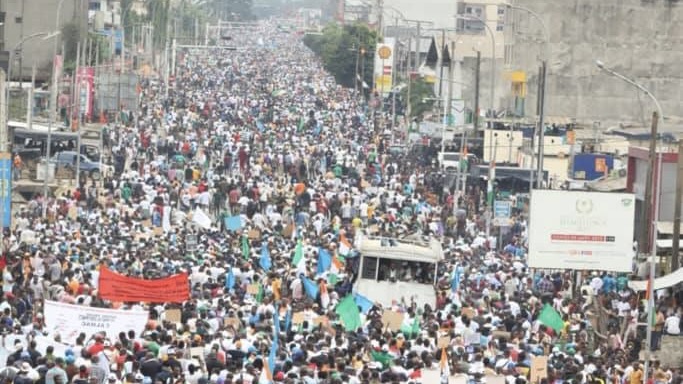
The past few months have seen three elections across Africa, in Tanzania, Cameroon, and Côte d’Ivoire. Each exposed a deepening democratic crisis on the continent. While the ballot boxes were filled and the slogans of “stability” and “unity” were loudly proclaimed, the underlying reality was very different; repression, exclusion, and a profound disconnect between the political class and the masses, especially youth. In all three cases, aging leaders clung to power through electoral processes that were anything but democratic.

Peru’s Executive In Crisis

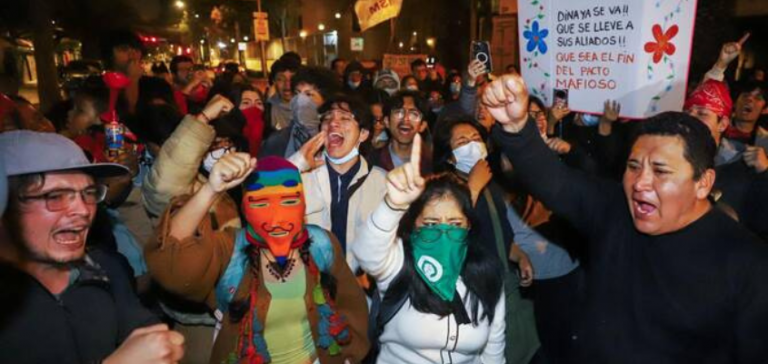
On October 9, 2025, the Peruvian Congress once again voted to vacate the executive; this time the usefulness of their puppet Dina Boluarte had run out. With more than 80 deaths under her belt during the 2022-23 uprisings predominantly in the Southern mineral rich regions of Peru, Dina Boluarte was sacrificed to the altar of a dictatorial right wing Congress. With 122 votes in favor of vacating the region’s most unpopular president for “permanent moral incapacity” amid growing crime and protests in the capitol city demanding action. Congress swiftly approved the new Interim President, president of the Congress, José Jerí. Within days of taking power, the new “president” (perhaps more accurately named Congressional coup figurehead), faced the same level of mass protests as had taken place during the  Boluarte regime. 

AES Countries Exit ICC, Denounce It As Instrument Of Neo-Colonial Repression

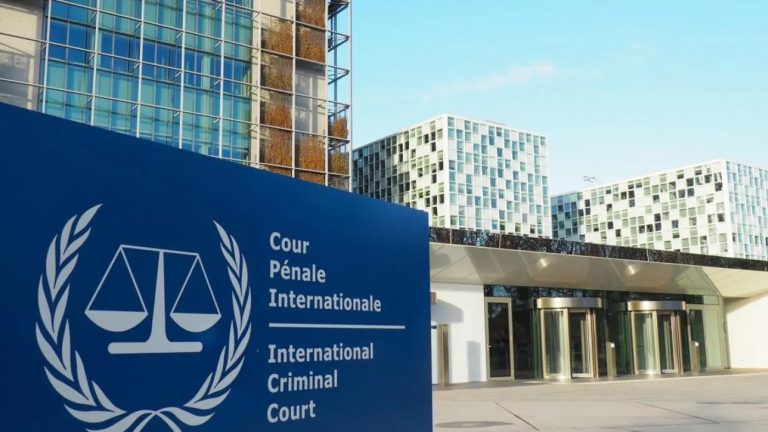
The Alliance of Sahel States (AES) announced its immediate withdrawal from the International Criminal Court (ICC) on Monday, condemning it as a tool of “imperialism”, silent about the worst crimes by the West and its allies while selectively pursuing its opponents. Ratifying the Rome Statute in the early 2000s, its three member countries – Mali, Burkina Faso, and Niger – have been members of the ICC for over three decades. “However, over time, they have come to observe that this jurisdiction has transformed into an instrument of neo-colonial repression in the hands of imperialism, thereby becoming the global example of selective justice,” states the AES communique on September 22.

The Historical And Contemporary Role Of Neocolonial Caribbean Governments In Supporting US Militarism And Imperialism

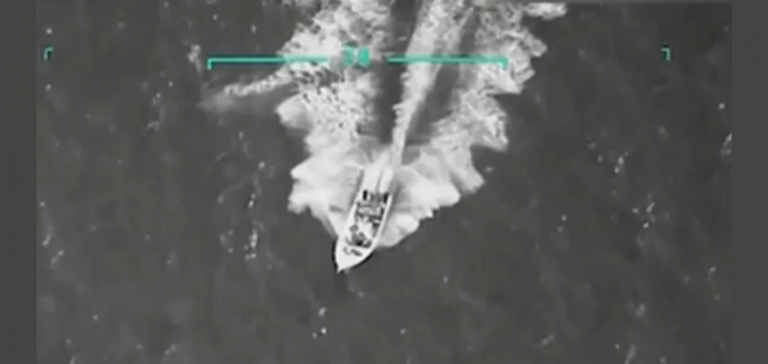
The Caribbean region is a clearly militarized zone with the United States at the helm. Today’s militarization in the region is reminiscent of the kinds of earlier iterations, also led by the US, from the 1970s to the early 2000s.[1] The US Trump administration reportedly carried out a missile strike in the Caribbean on September 2nd under the pretense of combatting drug trafficking in the region. Based on video released by the US, the military strike utilized a drone and/or aerial bomb to target a boat that allegedly departed from Venezuela – which the US State Department accuses of being a “narco-trafficking organization” and not a state[2] – and purportedly contained non-specified drugs and 11 unidentified human beings (so-called “narco-traffickers.”)

The Monsters Of The Global Crisis Interregnum

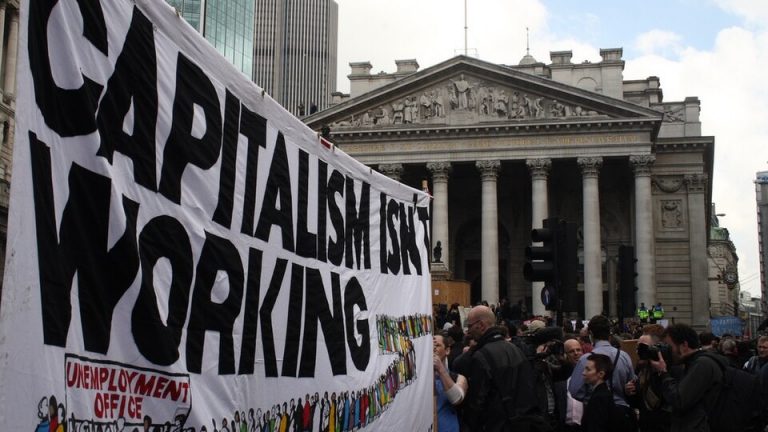
The famous quote by Italian Marxist philosopher Antonio Gramsci seems to have been written for the moment humanity is currently experiencing: “The old is dying, and the new cannot be born. In this interregnum, monsters arise.” The world is going through a civilizational crisis in which the neoliberal capitalist order, although mortally wounded, continues to impose its predatory logic, that of the use of force and the resurgence of fascism, while emancipatory alternatives fail to consolidate. In this vacuum, monsters proliferate: wars and attempts at recolonization, climate crisis, structural hunger, collapse of multilateralism and international law placed at the service of the world’s powers that be.

Understanding The Plot To Break Ghana And Destroy The AES Countries

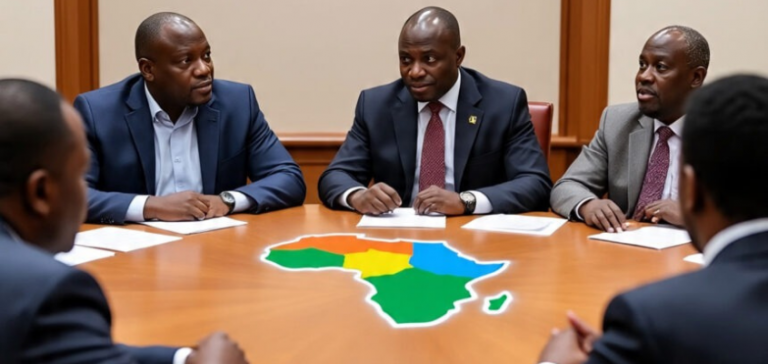
There’s a storm brewing over Ghana, and it didn’t start yesterday. The tragedy is layered, the signs are familiar, and for those who have lived through history’s brutal cycles of foreign meddling and orchestrated collapse, it’s déjà vu all over again. Since President John D. Mahama came to power, Ghana has been quietly strengthening ties with Sahel countries, especially Burkina Faso and Mali, who have rejected French and American military presence and charted new Pan-African courses. The AES alliance threatens Western hegemony. It signals a post-FRANCOPHONE, post-NATO Africa. Ghana’s collaboration with these countries raised alarm bells in London, Paris, and Washington.

Brother Of Pan-Africanist Leader Thomas Sankara Grateful For Traore

We’re standing in front of the Thomas Sankara Memorial, in Ouagadougou, Burkina Faso’s capital. Inaugurated on May 17 in the presence of various African heads of state and public figures, the site symbolizes a collective desire to preserve the legacy of the Burkinabé pan-Africanist leader Thomas Sankara and his 12 comrades who were assassinated in the 1987 coup d’état. The massacre, orchestrated by Sankara’s then-ally Blaise Compaoré – who became president and ruled until 2014 with support from France – interrupted a wave of transformative reforms meant to eliminate the scars of neocolonialism in the Sahel nation. In just four years, Sankara redistributed land to peasants and raised the literacy rate from 13% in 1983 to 73% in 1987. His radical transformation also extended to public health: 2.5 million children were vaccinated against meningitis, yellow fever, and measles.

How The Global Majority Can Free Itself From US Financial Colonialism

Industrial capitalism was revolutionary in its fight to free Europe’s economies and parliaments from the hereditary privileges and vested interests that survived from feudalism. To make their manufactures competitive in world markets, industrialists needed to end the land rent paid to Europe’s landed aristocracies, the economic rents extracted by trade monopolies, and interest paid to bankers who played no role in financing industry. These rentier incomes add to the economy’s price structure, raising the living wage and other business expenses, thus eating into profits.

Niger Nationalizes Uranium Mining Company

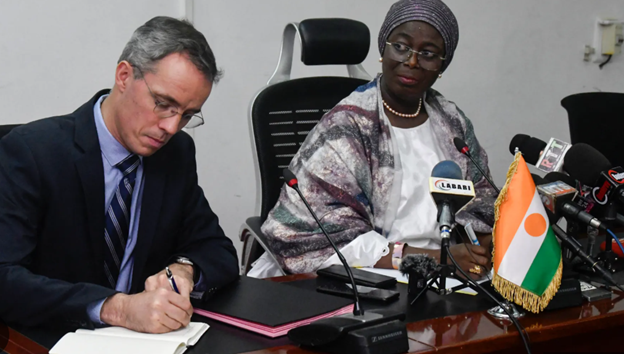
After taking other initiatives aimed at better controlling and managing its natural resources, Niger has announced that it will nationalize the mainly French-owned company that has been mining uranium in that African country for decades. In question is Somair, the only uranium mine still in operation in the country. Somair was operated by Orano (formerly called Areva), a French multinational specializing in nuclear fuels. Orano had already had its rights to export Nigerien uranium and its operational control of the company withdrawn. The authorities in Niamey, Niger’s capital, explained their decision by accusing Orano of “irresponsible acts,” namely extracting more than its authorized share of uranium.

Can We Build Robust Public Administration Institutions In The Global South?

A decade ago, I was a fly on the wall during a trade negotiation between the United States and a small country in Southeast Asia. What interested me was not the substance of the negotiation, the deliberations around an issue of minor concern to world affairs but of great concern to this one country, but the disproportionality between the personnel at the negotiating table. The delegation from the United States that arrived at this nondescript office in Geneva, Switzerland, was considerable in two respects: first, it had an overabundance of lawyers and associates, and second, they came armed with a large number of binders that had all the paperwork for their case, replete with labelled page-holders so that they could dive directly into the points they needed to make in the discussion.

Opportunities And Challenges To A Global Community With A Future

The predominance of US economic, political and military power in the world was established at the end of the Second World War.1 With just 6.3 percent of the global population, the United States held about 50 percent of the world's wealth in 1948. As the only power that has used nuclear weapons on civilian targets, it demonstrated unchecked power and military might. The postwar world order was rebuilt with the United States at the core, including the formation of the North Atlantic Treaty Organization in 1949 and Japan–US Security Treaty in 1951. The political order of major industrial powers, as well as some newly independent states, which were key in the containment strategy during the Cold War, were shaped in the image of the United States as vehemently anti-Communist bulwark economies.

Trump Or Not, Africa Must Take Charge Of Its Future

For decades, Africa’s relationship with the US has been shaped largely by foreign aid, security partnerships, and economic ties that have fostered dependence rather than mutual benefit. Now, under Trump’s “renewed” leadership, this dynamic is being called into question, especially as his policies begin to impact critical sectors such as health, education, and security, causing unease across the continent. On January 20, Trump announced a 90-day freeze on USAID funding, halting essential services and sparking outrage across the world.

Mass Deportation As Ethnic Cleansing: On The Ongoing War

The Trump raids have begun . In many ways, nothing is new. Despite liberals’ best attempts at depicting Trump’s policy as qualitatively different, what we are witnessing is merely an intensification of the bipartisan U.S. deportation regime. In other words, “mass deportation” chants might be new, but mass deportations aren’t. During his first term in office, Trump deported fewer people than all previous three administrations. Later, Biden deported twice as many people as Trump. The only thing that substantively changes under the latter is the visibility of these processes. In short, liberals now care. Time for new photo-ops and selective outrage—if that.

What’s Happening In Niger?

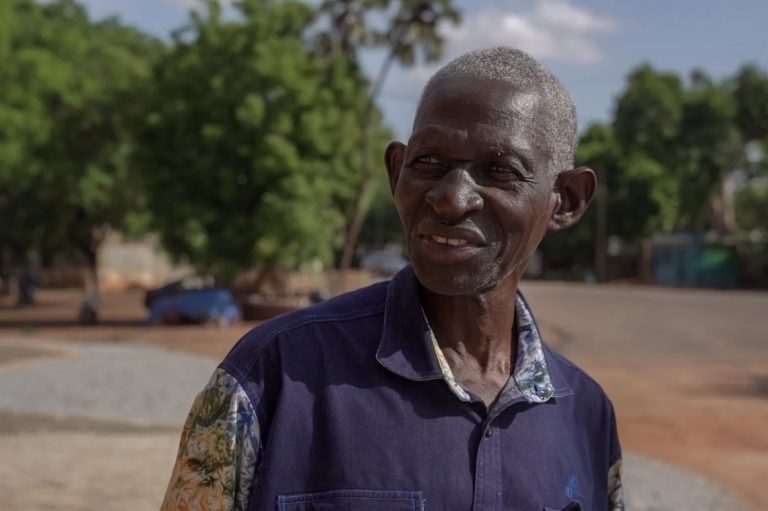
“Homeland or death, we will win.” This sign stands in the Place de la Patrie, one of the cradles of the popular struggle against France in Niamey, the capital of Niger. Today, it serves as a meeting point where people gather, chat, and watch the movement on Boulevard Zarmaganda, home to the headquarters of the first popular committee supporting the Nigerien army. “It used to be called Place de la Francophonie. Today, it’s Place de la Patrie because this is the birthplace of the patriotic struggle for complete national sovereignty. A week after the coup d’état, we moved here.

Ukraine’s Leaders Discuss Continued War Against Russia

After Donald Trump’s election victory on November 5, the Ukrainian authorities and media are visibly concerned about a possible change of policy in Washington. During the recent presidential and Congress elections, US media close to the Democratic Party were full of scare stories that Trump and the Republican Party, if elected, would force Ukraine into negotiations and concessions with the Russian Federation. The unelected, governing regime in Kiev is entirely dependent on Western powers for arms to pursue the war against Russia and for loans and investments to keep its economy afloat.
assetto corsa mods

Urgent End Of Year Fundraising Campaign

Online donations are back! Keep independent media alive. 

Due to the attacks on our fiscal sponsor, we were unable to raise funds online for nearly two years.  As the bills pile up, your help is needed now to cover the monthly costs of operating Popular Resistance.

Urgent End Of Year Fundraising Campaign

Online donations are back! 

Keep independent media alive. 

Due to the attacks on our fiscal sponsor, we were unable to raise funds online for nearly two years.  As the bills pile up, your help is needed now to cover the monthly costs of operating Popular Resistance.

Sign Up To Our Daily Digest

Independent media outlets are being suppressed and dropped by corporations like Google, Facebook and Twitter. Sign up for our daily email digest before it’s too late so you don’t miss the latest movement news.