Skip to content

Neoliberalism

Trump Wages Economic War On US Allies; BRICS Builds Alternative System

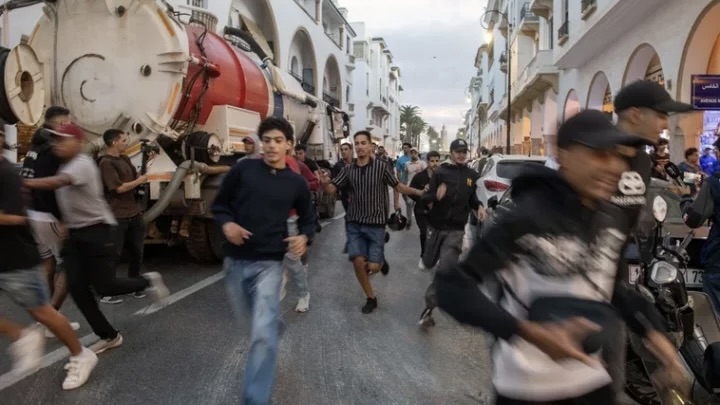
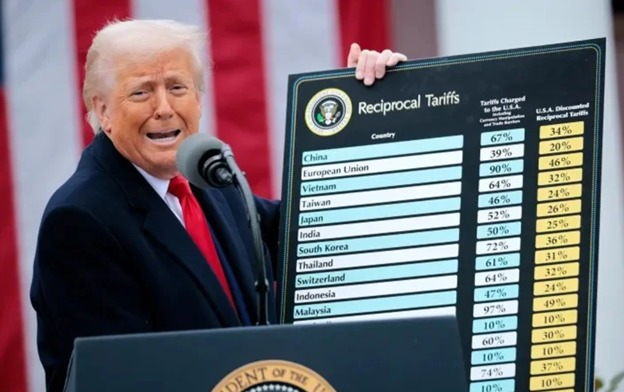
The US government has always had a very aggressive foreign policy. The United States has intervened in dozens of countries all around the world. But what is unique about Donald Trump is that many of his aggressive policies not only target US adversaries like China, Russia, Iran, Venezuela, and Cuba, but also longtime US allies. Trump has imposed high tariffs that have hurt the economies of key US allies such as Japan, South Korea, and Europe. In fact, the details of the agreement that Trump imposed on Japan are quite shocking. This was reported on by the Financial Times, which wrote that “Japan confronts the increased price of US friendship”. Although I would say it’s not so much “friendship”; rather it’s vassalage. Japan has been militarily occupied by the US for 80 years, and we’re now seeing the cost of this imperial relationship.

What Do You Fear The Far Right Will Do That You Have Not Already Done?

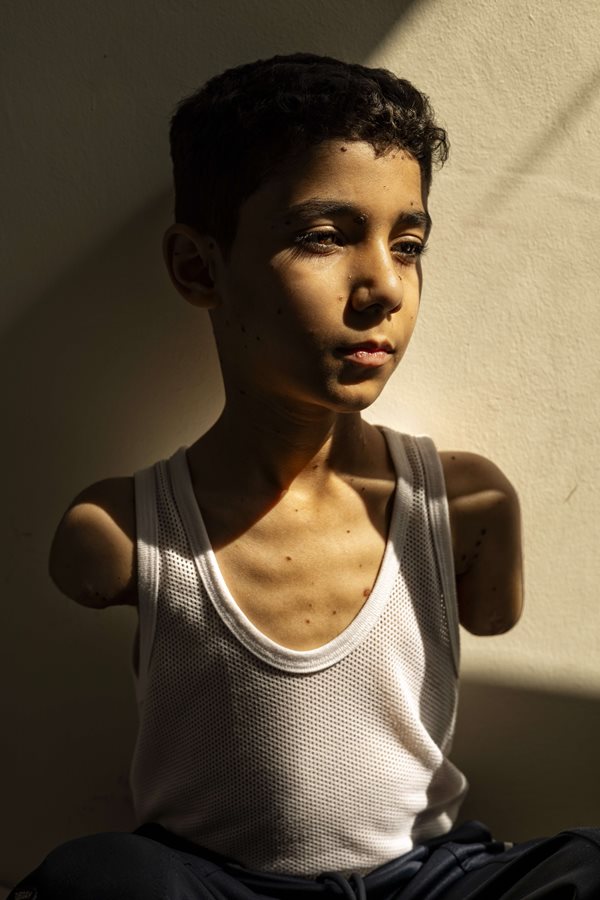
On 12 August, Samar Abu Elouf, who won the 2025 World Press Photo of the Year for the picture above, posted on her Instagram account that her son’s close friend Sami Shukour had been killed while he ‘went to look for flour to feed himself and his family’. Samar had taken Sami’s graduation photographs just before the genocide began in October 2023. Sami’s family owns one of the most famous companies in Palestine, which made halawa with tahini. ‘Among the best in Gaza’, Samar wrote. Sami, she added, ‘was killed under a hail of bullets; the sound was very terrifying… We are not just numbers; each one of us is a story’. We have now entered the last quarter of 2025, the days galloping rapidly toward another year.

How Does China’s System Really Work?

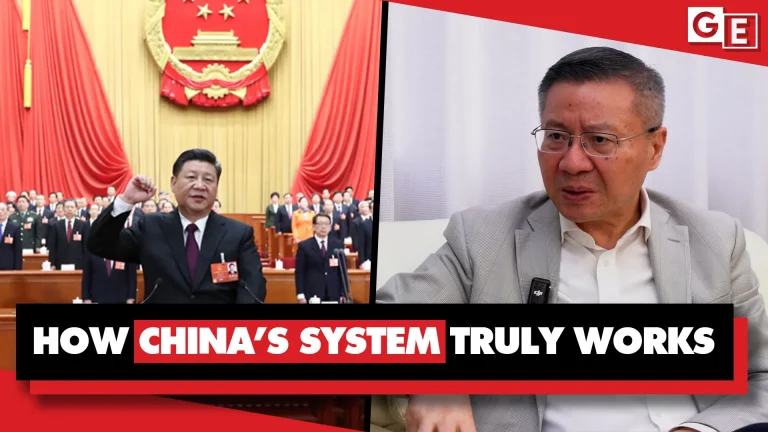
Today, I have the pleasure of being joined by the renowned Chinese scholar Zhang Weiwei. He is a professor at the prestigious Fudan University in Shanghai. He has millions of followers on Chinese social media. And we just participated in an academic conference. Professor Zhang, it is nice to meet you. I want to begin asking you about your idea of the “China model”. This is something you have been speaking about for many years, for almost 20 years now. If you look at China’s economic development in recent decades, it’s amazing. The statistics don’t lie. 

Bolivia Turns To The Right

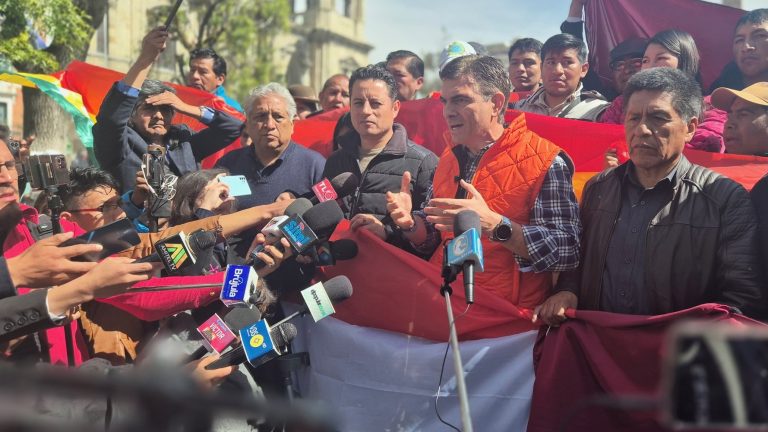
With more than 95.41% of the votes counted, Bolivia’s Plurinational Electoral Body reported that, according to the preliminary results, Rodrigo Paz of the Christian Democratic Party (PDC) and former president Jorge Quiroga of the Free Alliance (AL) emerged as the big winners on election day. Paz obtained more than 32% of the valid votes, while Quiroga obtained almost 27%. Bolivia’s current president, Luis Arce, said in a speech to the nation: “We have made every effort to ensure a peaceful and transparent electoral process.” For Arce, who decided to withdraw his election campaign in May, the election result was a severe blow, as his party, the Movement Toward Socialism (MAS), came in sixth place, its worst electoral performance in decades.

Corporate Landlords Are Taking Over Society, Making Life Unaffordable

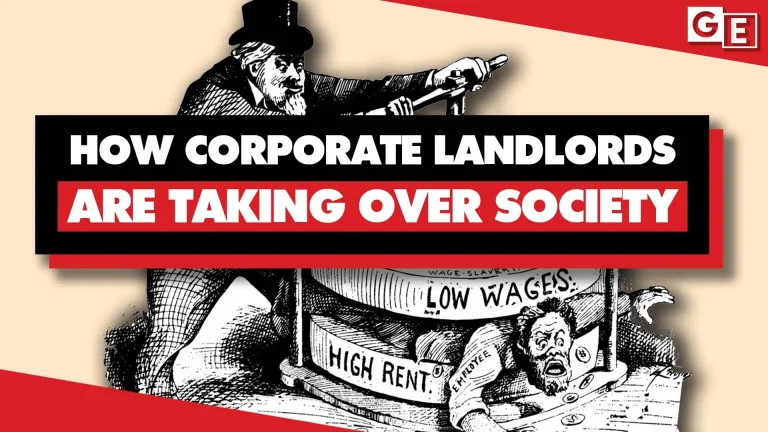
Landlords are taking over society. For many average working people, it has become impossible to buy a house. And the cost of renting housing has become prohibitively expensive. This problem is especially bad in the United States. But it’s not only a problem in the US; it’s a problem in many countries around the world — especially in Western countries in North America and Europe, whose economies have become financialized. In the United States, for instance, the largest landlord is not an individual; it’s a massive Wall Street investment firm: Blackstone, the private equity fund. Blackstone owned more than 300,000 rental housing units in the US as of 2023. The number has only increased since then. Blackstone and other Wall Street investment funds have been gobbling up residential housing. Then they ratchet up the cost of rent, which has fueled homelessness, as many people are being evicted from their homes.

Celebrating Nicaragua’s Gains And Feeling Anguish For Gaza

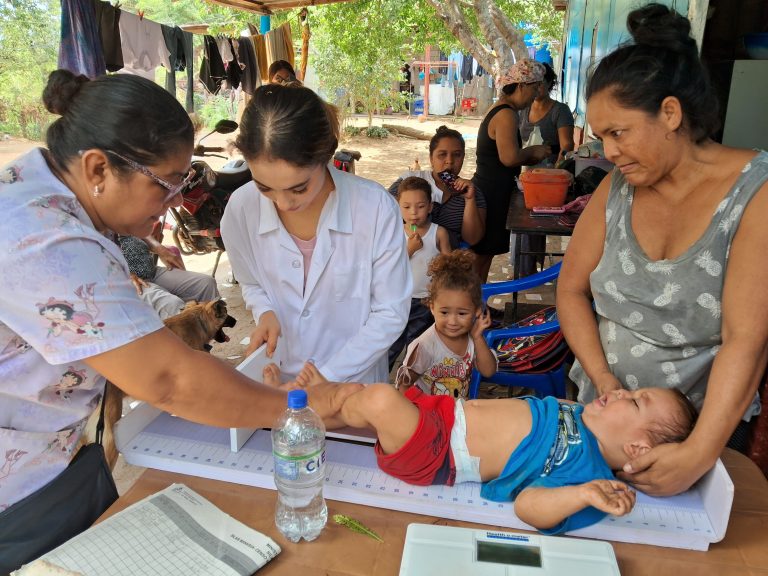
The image is forever seared in my mind: Francisco was two years old, his thin legs and swollen feet were covered in sores. Straw blond hair stuck to his head as he listlessly nursed from his teenage mother’s breast. He weighed 13 ½ pounds. It was the summer of 1999, and I was weighing babies in Nueva Vida.  I’d come to Nicaragua in the aftermath of Hurricane Mitch to help in any way I could through the Jubilee House Community and its project in Nicaragua, the Center for Development in Central America (JHC-CDCA). With its main office located just a mile down the road from the largest Hurricane Mitch resettlement camp in the country, the folks at the JHC-CDCA were busy.

Austerity Linked To Over One Million Preventable Deaths In Eu

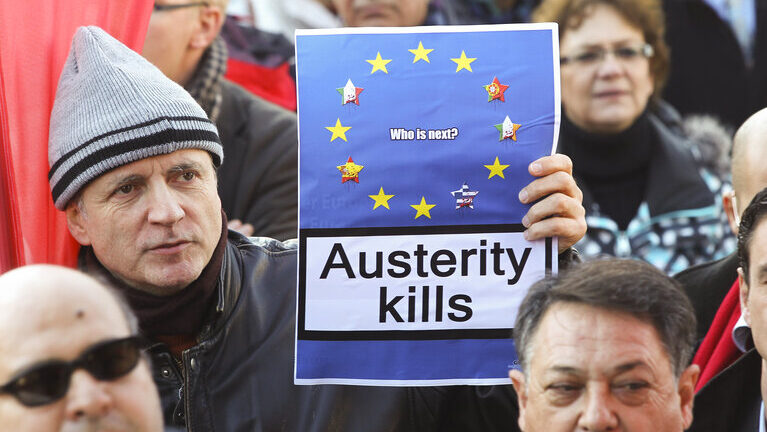
More than 1 million people in the European Union died from avoidable causes in 2022, according to new data from a Eurostats report. Of these, over 386,000 deaths were attributed to diseases treatable with quality healthcare, while at least 725,000 could have been prevented through effective public health interventions. The conditions cited include heart disease, COVID-19, and several cancers – such as colon, breast, and lung cancer – that experts have long said could be more effectively addressed with proper investment in screening and treatment. Despite these warnings, European authorities continue to slash funding for health and care services while committing record sums to military spending.

US Hegemony, China’s Rise, And The Geopolitical Stakes In The Caribbean

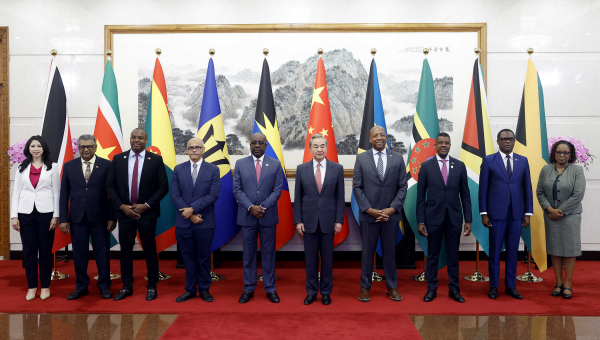
The Caribbean region is an important geostrategic location for the United States, not only due to regional proximity, but also due to the continued importance of securing sea routes for trade and military purposes. It is the geostrategic location of the Caribbean that has historically made the region a target for domineering empires and states. As both geopolitical site and geostrategic location, U.S. foreign policy articulations of Caribbean people and the region have been effectively contradictory, but the contradiction has allowed the U.S. to maintain its hegemonic position: Caribbean peoples in U.S. foreign policy are rendered backwards, unstable, and dangerous or targets of xenophobic harassment; while the physical region is rendered as a place where U.S. foreign policy must maintain one-sided power relations, lest these sites come under the influence of other states that the U.S. views as impinging upon its sphere of influence.

Systemic Decay And The Economic Foundation Of American Fascism

If you live in the United States and feel like everything is caving in around you, like you are being attacked and fleeced from every angle, like you can’t breathe, like you can’t ever seem to catch a break despite doing everything seemingly right, like you are on the verge of a mental-health crisis and/or homelessness, your feelings are justified. We are living in the middle of widespread societal breakdown. We are witnessing the erosion of an empire. We are experiencing the effects of a rotten system (capitalism) coming to its inevitable conclusion. Simply put, the capitalist class and their two political parties have run out of ways to steal from us. Because we have nothing left for them to take. So, the system is responding like a vampire who is unable to find the blood it needs to survive… erratic, rabid, frenzied, and increasingly desperate and violent, while frantically searching for new avenues of exploitation to keep it churning.

Locating Ourselves In The Wreckage Of Neoliberalism

This past March, as an unusually warm winter in Connecticut prepared to give way to spring, a morning crowd at the West Indian Social Club in Hartford milled about over blueberry muffins from Costco and cartons of Dunkin’ coffee. “Democracy School” was about to begin. At round banquet tables, nursing home workers nodded intently, listening to community college students describe the budget cuts they were fighting in order to keep their libraries open in the evening, so working students could find time to study. Child care advocates broke bread with Uber drivers, and learned about their efforts to win dignified wage and safety standards. College faculty like ourselves heard stories from renters facing eviction, and from undocumented parents struggling to win health care coverage for their families.

Milei’s Chainsaw Economics Met With Working Class Unity

Tens of thousands of Argentines took to the streets of the country’s capital, Buenos Aires, June 4 to demand an immediate change in the ultra-neoliberal policies of President Javier Milei. The mobilization took place outside the National Congress, which was discussing a potential increase in pensions for retirees. Last year, Milei vetoed a pension increase that was approved by the Congress. This time, the legislature approved an increase of nearly 7% in pensions, which now must be approved by the Senate. However, Milei has already warned that the “demagogic and populist” decision, will be vetoed once again because it threatens the government’s much-touted goal of “fiscal balance”, pursued even at the cost of rising poverty, denying people with disabilities access to medicines, and defunding pediatric hospitals.

A Dangerous Feminist Path Against The Grain Of Capital

The Anti-Fascist Women’s Front (AFŽ) as an organisation formed in the Second World War enabled women at that time to have their say in an organised way and for that voice to be heard. They needed women so badly that they could promise them everything they needed. That organisation is the foundation of everything that emerged in socialism. But it wasn’t so simple or quick. The AFŽ was disbanded in 1954 mainly because Vida Tomšič, who was leading the organisation at the time, judged that women had become too closed off in their organisation and therefore could not achieve anything that was really important, while at the same time high politics was doing its own thing and there were no women there.

Argentina’s Worker Co-ops Under Attack

There was some extremely troubling news out of Argentina last week. On March 28th, the Melei administration Presidential Spokesman Manuel Adorni announced that the government would be suspending all worker co-ops created between 2020 and 2022 and auditing all those formed last year. While this official statement was quickly gainsayed by other government agencies, what had happened was just as bad: the National Institute of Associativism and Social Economy (INAES) – the agency responsible for registering co-ops – had voted to suspend 11,000 co-ops for lack of documentation and other alleged non-compliance.

Mass Solidarity Picket Backs Striking Bin Workers In Birmingham

In a mass demonstration of solidarity, trade union activists from across Britain blocked the entrance of a Birmingham waste depot as part of an ongoing dispute between the city’s refuse collectors and the Labour-led council. Birmingham’s bin workers, many of whom are members of the trade union Unite, have been taking intermittent action against planned pay cuts since the beginning of this year – and have spent the past two months on strike. As part of an extreme austerity agenda, the city council is planning to downgrade at least one section of the workforce. This proposal has raised concerns not only about workers’ income but also about health and safety conditions.

Following Unfair Presidential Election, Ecuador Faces A Grim Future

On April 13, a runoff presidential election between the incumbent Daniel Noboa and the progressive candidate Luisa Gonzalez was held in Ecuador. Leading up to the election, a very tight race was expected and conditions pointed to a likely victory by Gonzalez. However, on election day, Noboa was declared the winner with a lead of more than 11%. Clearing the FOG speaks with Pedro Labayen Herrera, who is a researcher at the Center for Economic and Policy Research where he focuses on Ecuador. Labayen was present for the elections. He reports on the scandals just before the election, violations of the Constitution by Noboa and what happened on election day. He also describes the deterioration of conditions within Ecuador and the challenges ahead.
assetto corsa mods

Urgent End Of Year Fundraising Campaign

Online donations are back! Keep independent media alive. 

Due to the attacks on our fiscal sponsor, we were unable to raise funds online for nearly two years.  As the bills pile up, your help is needed now to cover the monthly costs of operating Popular Resistance.

Urgent End Of Year Fundraising Campaign

Online donations are back! 

Keep independent media alive. 

Due to the attacks on our fiscal sponsor, we were unable to raise funds online for nearly two years.  As the bills pile up, your help is needed now to cover the monthly costs of operating Popular Resistance.

Sign Up To Our Daily Digest

Independent media outlets are being suppressed and dropped by corporations like Google, Facebook and Twitter. Sign up for our daily email digest before it’s too late so you don’t miss the latest movement news.